
Costa Tropical, also known as Costa Granadina, is one of Andalusia’s most distinctive coastal regions. Its name comes from the unique subtropical climate created by the shelter of the Sierra Nevada, which allows tropical fruits such as avocados, mangoes and cherimoyas to thrive. The result is a coastline that feels noticeably greener than much of southern Spain.
Although tourism has grown steadily over the years, Costa Tropical remains quieter than neighbouring Costa del Sol. Resorts such as Almuñécar, La Herradura and Salobreña have retained much of their local character, while the coastline is known for its mix of sandy beaches, secluded coves, dramatic cliffs and historic landmarks.
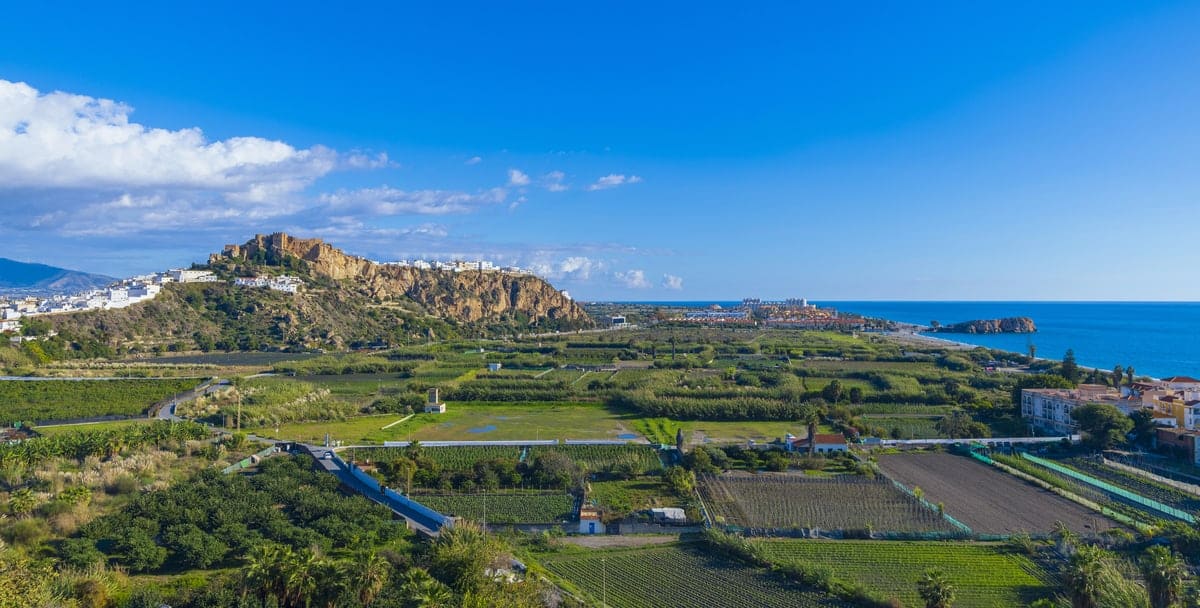
This guide will help you choose where to stay, discover the region’s highlights and plan your trip, from relaxing beach holidays and outdoor activities to exploring Granada Province.
DISCLOSURE: This page contains affiliate links. If you make a purchase via one of those links, we will earn a commission at no extra cost for you.
Where Is Costa Tropical?
Costa Tropical forms the coastline of Granada Province, stretching for around 70 kilometres between Costa del Sol to the west and Costa de Almería to the east. Although it is one of Andalusia’s shortest coastal regions, it offers a remarkable variety of landscapes, from long beaches and sheltered bays to rugged cliffs, fertile valleys and tropical fruit plantations that reach almost to the sea.
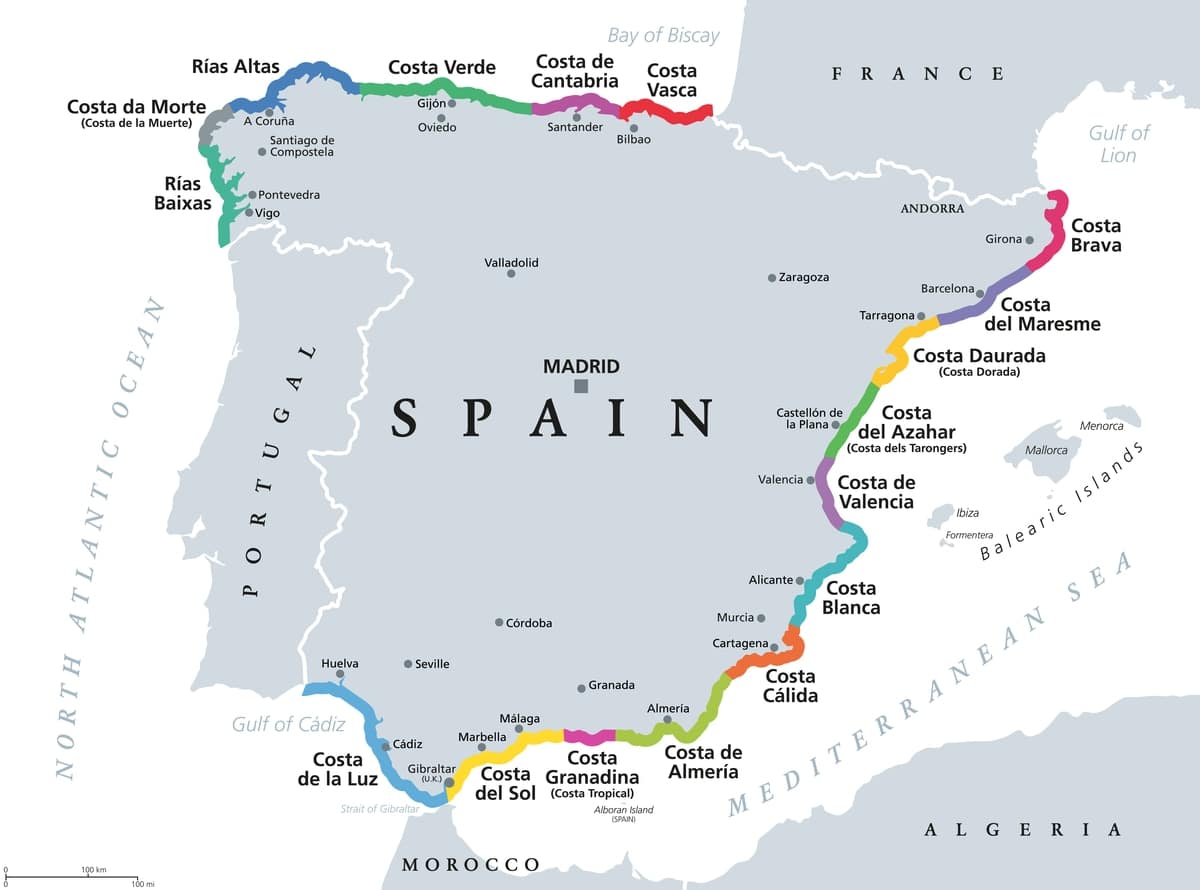
The coast lies between the Mediterranean Sea and the Sierra Nevada. The mountains shelter the coastline from colder inland weather, creating the mild conditions that allow tropical crops to flourish and give the region its distinctive character.
Not sure whether Costa Tropical is the right choice for your trip? Take a look at our Andalusian Coast: A Complete Guide, where we compare all four costas and explain what makes each one unique.
Choosing the Right Base on Costa Tropical
Despite its relatively short coastline, Costa Tropical offers several very different places to stay. Almuñécar is the largest resort and has the widest choice of accommodation, restaurants and attractions, while La Herradura, Salobreña and the smaller coastal villages each have their own character. Choosing the right base depends on the kind of holiday you’re planning, from relaxing on the beach to exploring Granada Province or spending time on the water.
The table below compares the main destinations to help you decide where to stay.
| If you’re looking for… | Consider staying in… |
|---|---|
| A first visit | Almuñécar |
| The widest choice of accommodation and restaurants | Almuñécar |
| A relaxed beach holiday | Salobreña |
| Diving, snorkelling and kayaking | La Herradura |
| A marina | Marina del Este |
| History and culture | Salobreña |
| Easy access to Granada | Motril or Salobreña |
| A quieter stretch of coastline | Castell de Ferro, Calahonda or Carchuna |
| Tropical fruit landscapes | Motril |
Where to Stay on Costa Tropical
Choosing where to stay on Costa Tropical is less about finding the biggest resort and more about finding the place that matches your trip. The following sections explore the main destinations along the coast, highlighting what makes each one different.
The map shows the destinations covered in this guide, making it easy to see where each one is located before we look at them in more detail.
Castell de Ferro, Calahonda and Carchuna
Located at the eastern end of Costa Tropical, Castell de Ferro, Calahonda and Carchuna are three neighbouring coastal towns that have seen far less tourist development than the resorts further west. Outside the summer months, they remain largely residential, with fishing and agriculture still playing an important role in the local economy. Accommodation is mostly made up of holiday apartments, guesthouses and a small number of hotels.
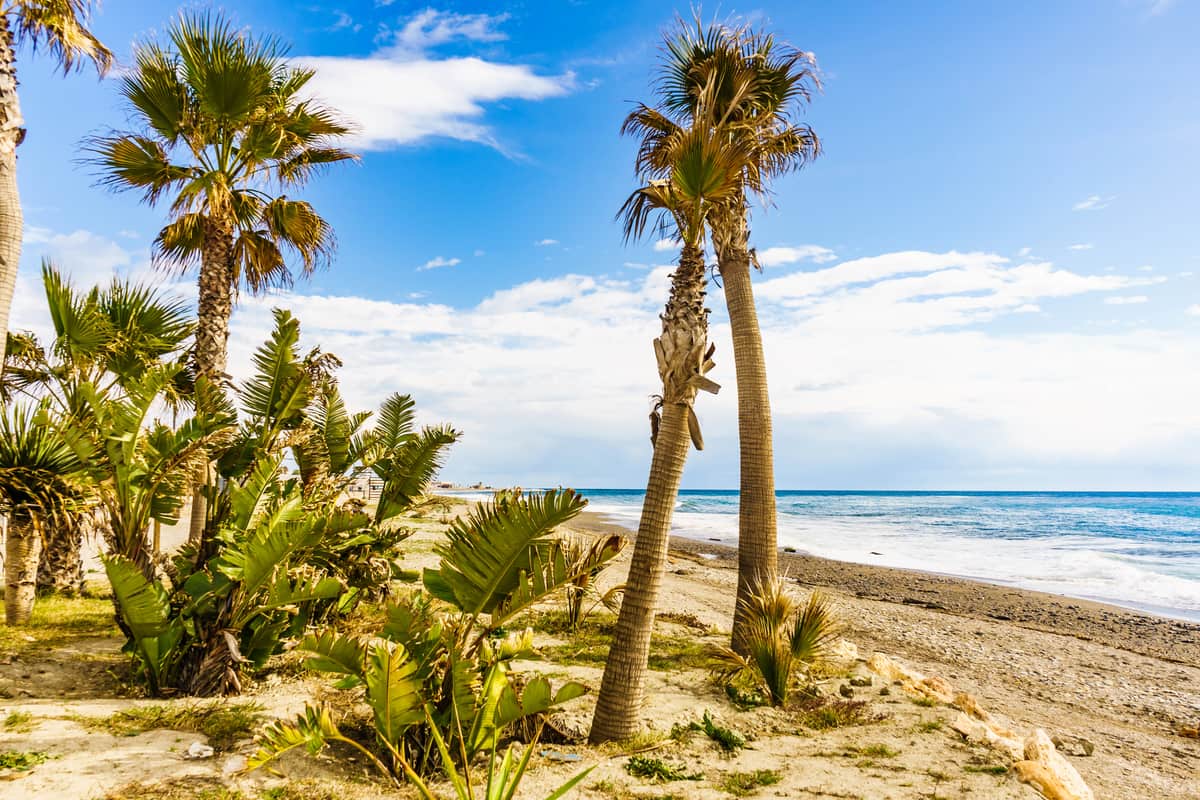
The coastline here is lined with long beaches of coarse sand and pebbles, separated by rocky headlands. Playa de Castell de Ferro is the largest beach in the area, while Playa de Calahonda and Playa de Carchuna are known for their clear water, making them popular for swimming, snorkelling and diving. Along the seafront you’ll find a selection of chiringuitos and seafood restaurants, particularly busy during the summer season.

Although the beaches are the main attraction, there are a few places worth visiting nearby. Castillo de Castell de Ferro overlooks the town, while El Farillo de Calahonda, a 16th-century watchtower that later served as a lighthouse, is one of the most recognisable landmarks on this stretch of coast. In Carchuna, the restored Castillo de Carchuna recalls the area’s role in defending the coastline and today hosts exhibitions and cultural events.
If you’re planning to stay here, it’s worth knowing that the choice of restaurants, shops and attractions is more limited than in Almuñécar or Salobreña. On the other hand, the beaches are generally quieter, even in summer, and everything is within a short distance of the seafront.
Browse hotels in Castell de Ferro (affiliate link), Calahonda (affiliate link) and Carchuna
Motril
If you’re looking for a base with good facilities rather than a traditional beach resort, Motril is worth considering. It is the largest town on the Costa Tropical and has the widest choice of shops, supermarkets and everyday services. Unlike Almuñécar or Salobreña, Motril wasn’t developed primarily for tourism, so it feels more like a working Spanish town.
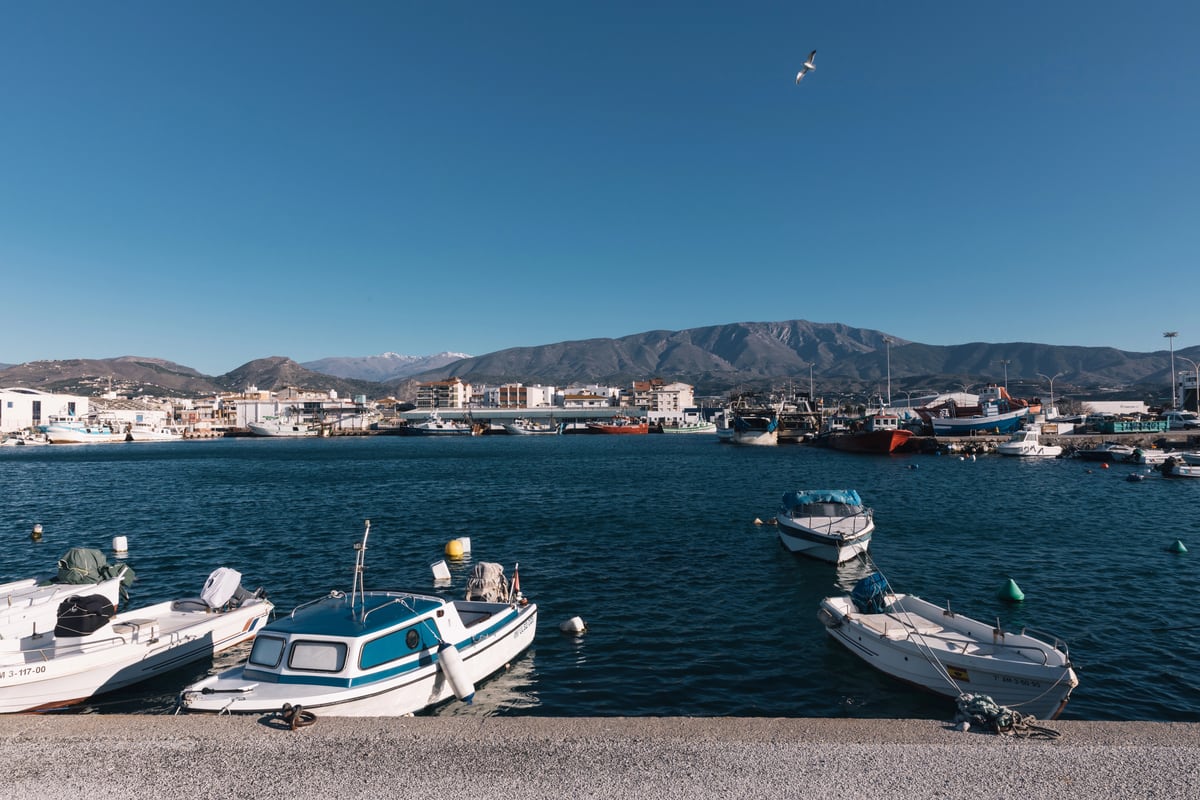
The beaches are located just outside the centre. Playa Granada is the most popular, with hotels, holiday apartments, restaurants and a golf course along the seafront. Playa Poniente stretches towards the port, while neighbouring Torrenueva Costa has a long promenade, a broad sandy beach and a good selection of places to eat during the summer.
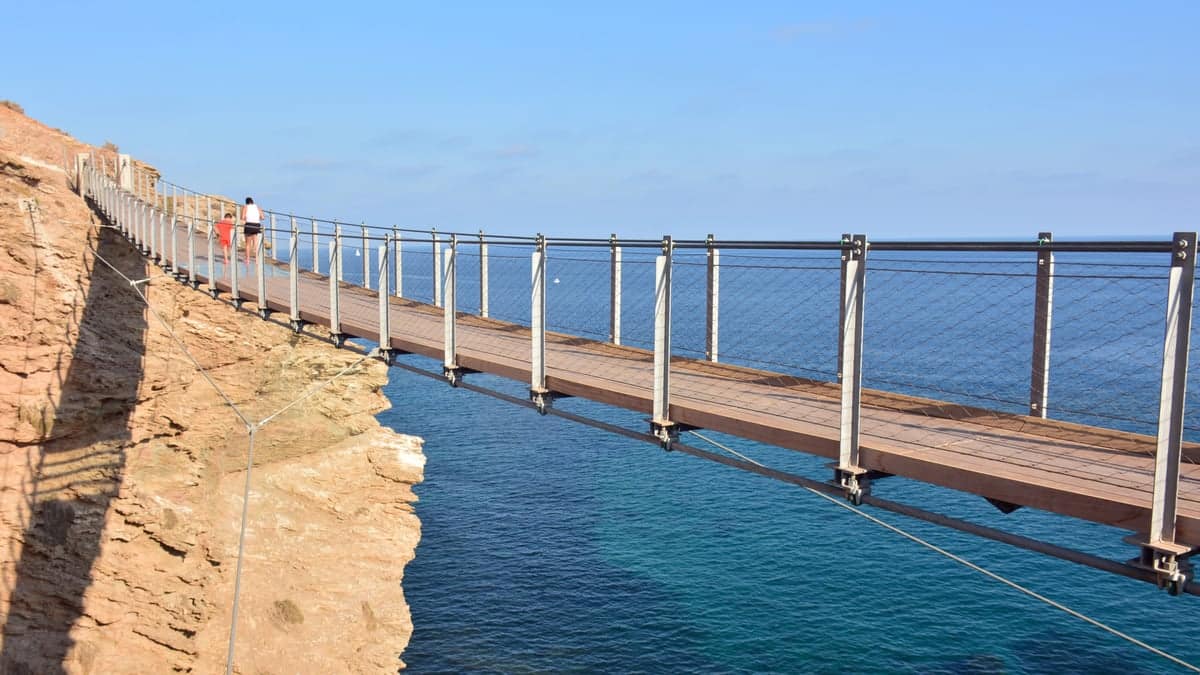
Although Motril itself has fewer historic attractions than Almuñécar or Salobreña, there are still a few places worth visiting. The Pre-industrial Sugar Cane Museum tells the story of the industry that shaped this part of the coast, while the Charca de Suárez Nature Reserve is one of the best places for birdwatching on the Costa Tropical. In nearby Torrenueva Costa, the Pasarela Colgante de Jolúcar is a suspension footbridge spanning the Jolúcar ravine. It forms part of the Miradores y Acantilados walking route and offers panoramic views of the Mediterranean coastline. If you’re interested in local cuisine, don’t miss the quisquilla de Motril, the small pink shrimp that has become one of the area’s best-known specialities.
One advantage of staying in Motril is its location. It sits roughly in the middle of the Costa Tropical, making it easy to explore both the eastern and western parts of the coastline. It is also home to the Port of Motril, with ferry connections to Melilla, Nador and Al Hoceima.
Browse hotels in Motril (affiliate link).
Salobreña
Salobreña is one of the most distinctive places to stay on the Costa Tropical. The whitewashed old town climbs a rocky hill topped by a Moorish castle, while the modern part of town stretches towards the beach. Accommodation ranges from hotels and holiday apartments near the seafront to guesthouses and rental properties in the historic centre. Compared with Almuñécar, Salobreña is smaller and quieter, but it still has plenty of restaurants, cafés and shops within easy walking distance.
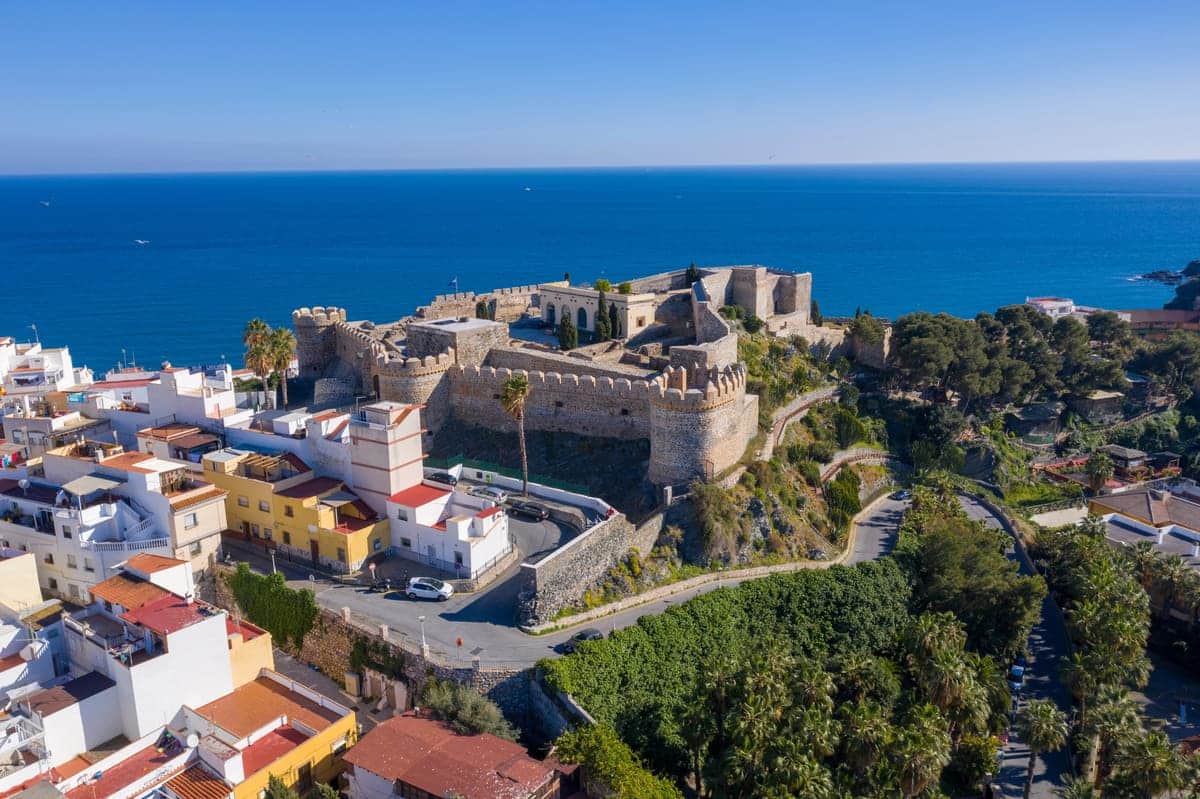
The town’s main beach, Playa de la Charca-Salomar, stretches for around 1.5 kilometres and is backed by a promenade with restaurants, cafés and beach bars. Like many beaches on the Costa Tropical, it has a mixture of coarse dark sand, shingle and small pebbles. At the western end of the beach stands El Peñón, a large rocky outcrop that has become one of Salobreña’s best-known landmarks. On the other side lies Playa de la Guardia, a quieter beach with seafood restaurants overlooking the sea.
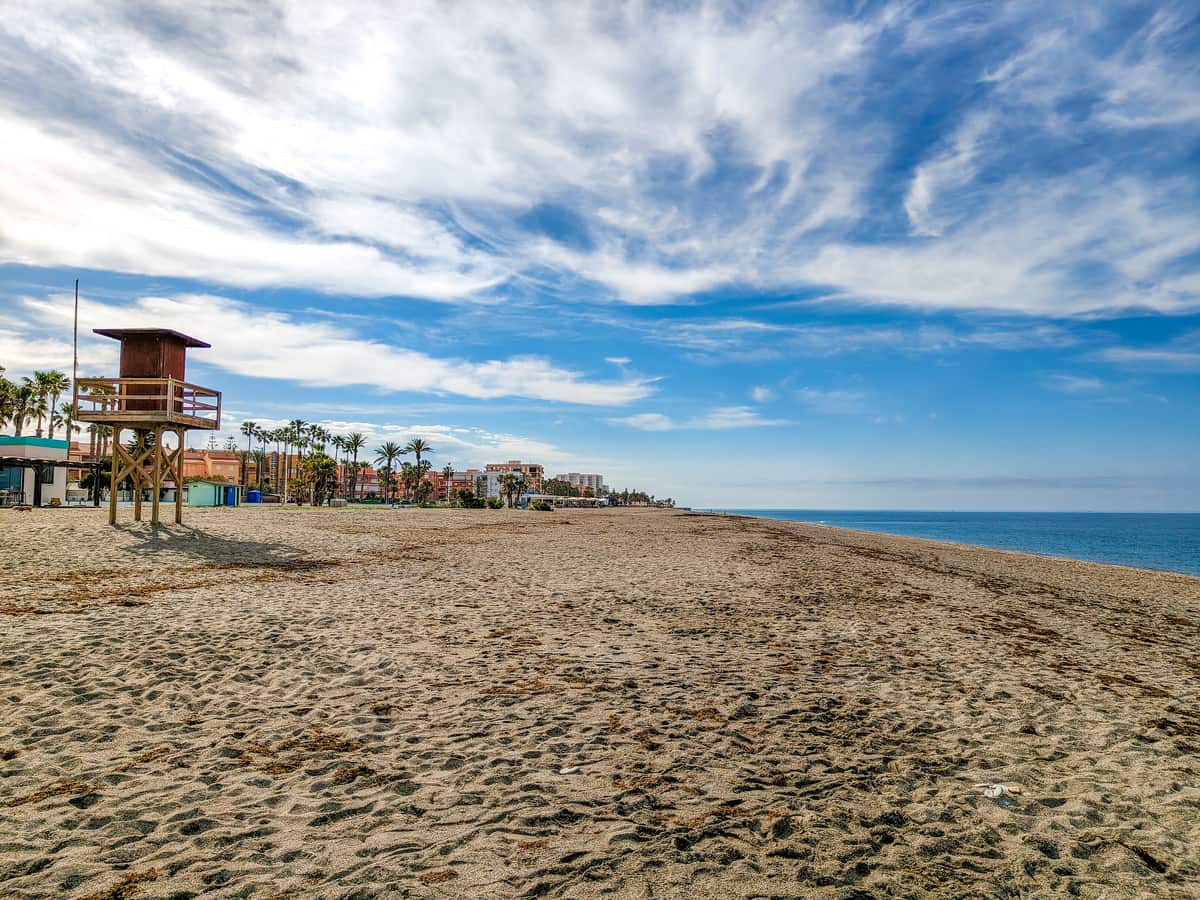
The town’s main attraction is Salobreña Castle, an 11th-century Moorish fortress that dominates the skyline. The walk to the castle takes you through the old town, where narrow streets, whitewashed houses and flower-filled corners lead to viewpoints overlooking the Mediterranean and the fertile Vega de Salobreña. The surrounding plain is known for its tropical fruit plantations, and you’ll find locally grown avocados, mangoes and cherimoyas on restaurant menus and in local shops when they’re in season.
Browse hotels in Salobreña (affiliate link).
Almuñécar
If it’s your first time on the Costa Tropical, Almuñécar is usually the best place to stay. It combines the widest range of accommodation and restaurants with beaches, historic attractions and a central location for exploring the rest of the coast.
One of the advantages of staying in Almuñécar is the variety of beaches nearby. Playa San Cristóbal and Playa Puerta del Mar are the busiest, with restaurants and cafés along the promenade, while Playa Velilla is lined with hotels and holiday apartments. If you prefer something quieter, there are also several smaller coves between the rocky headlands, many of which remain relatively peaceful outside the peak summer months.

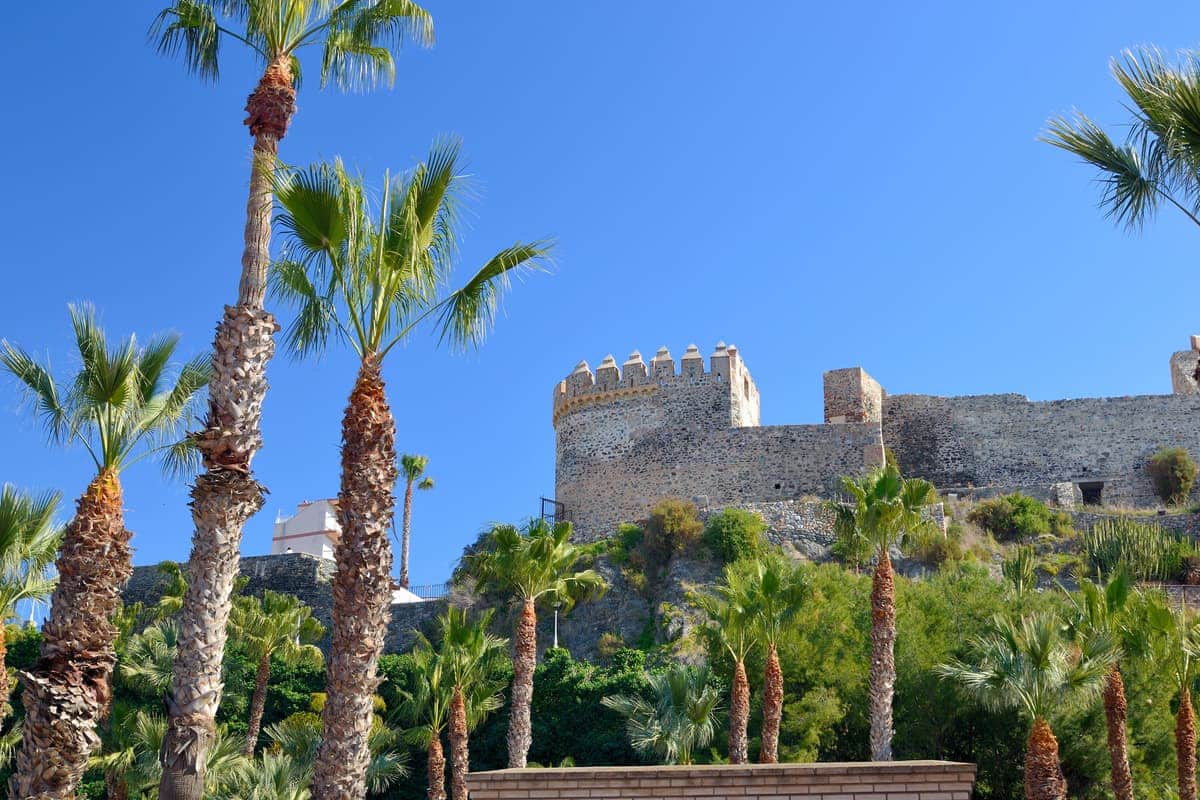
Almuñécar has more historic attractions than any other town on the Costa Tropical. The town was founded by the Phoenicians before becoming the Roman city of Sexi and later an important Moorish settlement. Today, you can visit San Miguel Castle, the Roman fish-salting factory, sections of the Roman aqueduct and Majuelo Botanical Park, where subtropical gardens surround archaeological remains from the Roman period.
If you’re travelling with younger children, Almuñécar has more family attractions than anywhere else on the Costa Tropical. The Acuario de Almuñécar is home to Mediterranean and tropical marine species, the Loro Sexi Ornithological Park houses parrots and other exotic birds, and Aquatropic is the Costa Tropical’s only saltwater water park.
Almuñécar also makes a convenient base for exploring beyond the Costa Tropical. If you don’t want to hire a car during your holiday, you’ll find a wide choice of organised day trips departing from the town, including excursions to Granada, the Sierra Nevada, Ronda and even Gibraltar. Many tours include hotel pickup, making it easy to discover more of Andalusia without driving.
Browse hotels in Almuñécar (affiliate link).
La Herradura
If you’re looking for a quieter beach holiday, La Herradura is one of the best places to stay on the Costa Tropical. Smaller than neighbouring Almuñécar, it has a more relaxed atmosphere while still offering a good choice of hotels, apartments and restaurants. Its name, which means the horseshoe, comes from the shape of the wide bay around which the town is built.
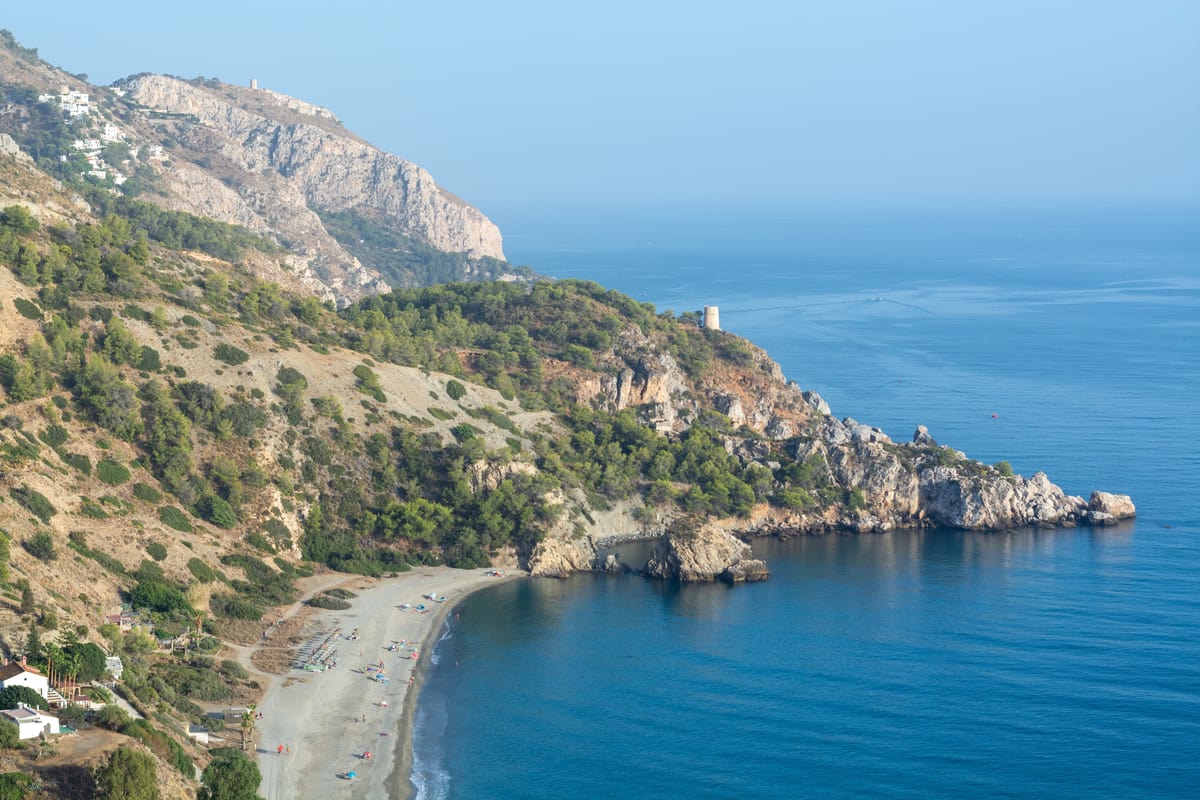
The town’s beach stretches for almost two kilometres and is lined with cafés, chiringuitos and seafood restaurants. The sheltered bay is popular for swimming, while the promenade makes it easy to walk between the beach, restaurants and the town centre.
La Herradura is best known for its clear water and marine life. It’s one of the best places on the Costa Tropical for diving and snorkelling, while kayaking and paddleboarding are also popular. Just a few minutes away, Marina del Este is the region’s main marina, with boat trips, yacht moorings and water sports.

Although La Herradura has a long history, there are fewer historical attractions than in Almuñécar or Salobreña. The main landmark is the Castle of La Herradura, built in the 18th century to protect the bay from pirate attacks. Just outside town, the Cerro Gordo Natural Area is known for its cliffs, walking trails and viewpoints overlooking the Mediterranean.
Browse hotels in La Herradura (affiliate link).
Day Trips from Costa Tropical
The Costa Tropical is one of the few places in Andalusia where you can combine beach days with mountain scenery, historic cities and outdoor adventures without spending hours on the road. If you want to explore beyond the coast, these are some of the best day trips to add to your itinerary.
Granada
Granada is less than an hour from much of the Costa Tropical, making it an easy day trip. The city is home to the UNESCO-listed Alhambra, one of Spain’s most visited landmarks. Beyond the palace complex, you can explore the Albaicín, visit the Cathedral and Royal Chapel, or enjoy Granada’s famous tapas culture before returning to the coast.
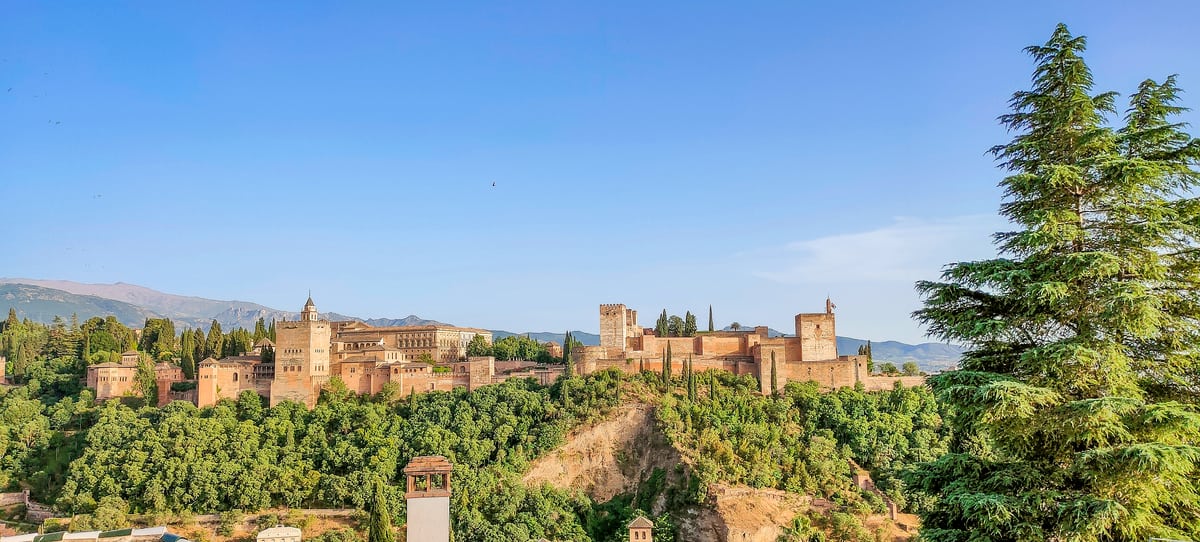
The Alhambra often sells out weeks in advance, so a guided tour can be the easiest option if official tickets are no longer available.
Río Verde
If you’d like to spend a day outdoors, Río Verde is one of the best places near the Costa Tropical for canyoning. Located in the Sierra de Almijara, the river is known for its clear emerald-green pools, waterfalls and narrow gorges. Depending on the route, you’ll scramble over rocks, swim through natural pools, slide down smooth rock formations and, if you want, jump into the water from different heights.
The easiest and safest way to experience Río Verde is on a guided canyoning excursion, with equipment, safety gear and an experienced guide included.
Las Alpujarras
The white villages of Las Alpujarras make a nice change from the coast and are easy to reach in about an hour from much of the Costa Tropical. The three best-known villages – Pampaneira, Bubión and Capileira – are set on the southern slopes of the Sierra Nevada and are known for their whitewashed houses, narrow streets and mountain views. If you have more time, continue to Trevélez, Spain’s highest village, which is famous for its air-cured Jamón de Trevélez. Stop for lunch, browse local craft shops or simply enjoy a landscape that feels completely different from the Mediterranean coast.
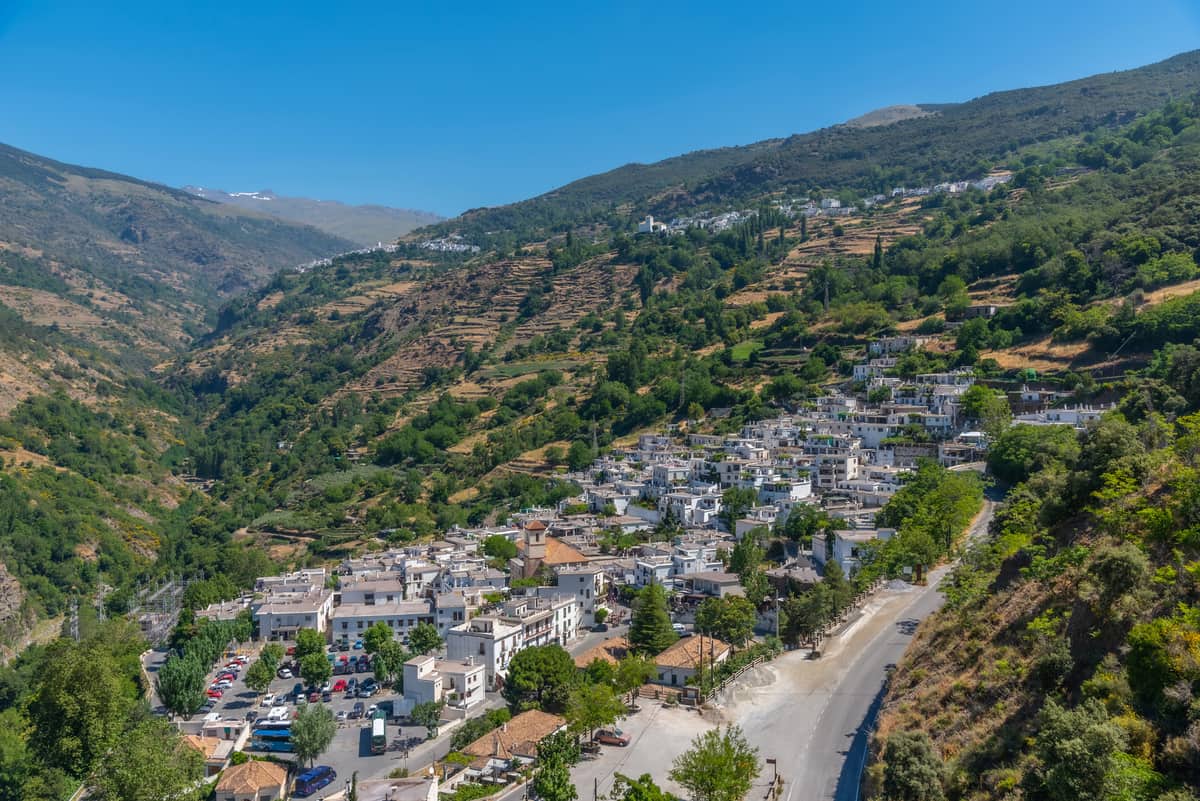
While you can explore the area independently by car, guided day tours are a convenient option if you prefer not to drive the winding mountain roads.
Sierra Nevada
The Sierra Nevada offers a completely different side of Andalusia from the Costa Tropical. During the summer, two lifts operate from Pradollano: the Borreguiles gondola followed by the Veleta chairlift, which takes you to 3,028 metres, close to the foot of Veleta (3,398 m), the second-highest peak in the Sierra Nevada. It’s one of the few places in southern Europe where you can still see patches of snow well into early summer. From the upper station, you can enjoy panoramic views and follow several marked hiking trails without making the long climb from the valley.
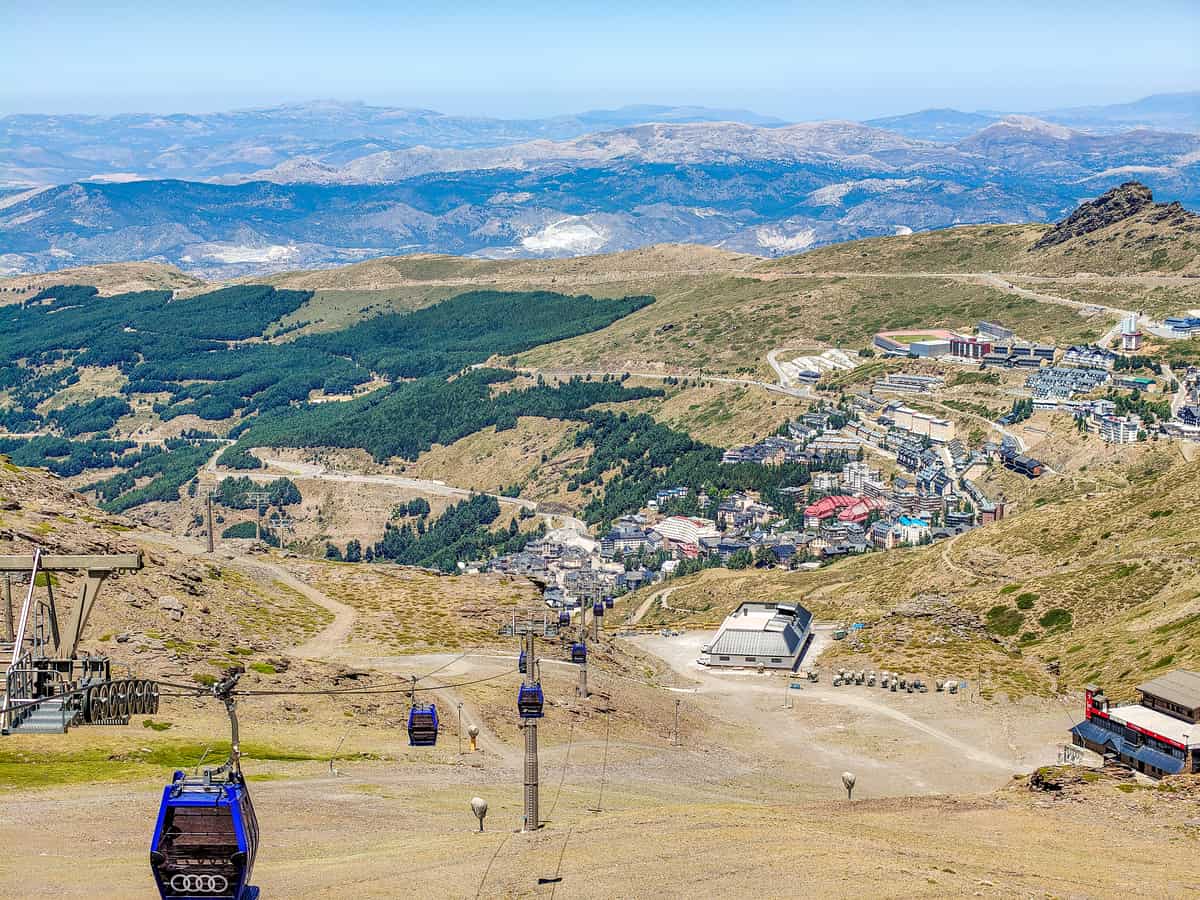
The lifts operate on selected summer dates, so check the schedule before planning your visit. If you’d rather leave the planning to someone else, guided hiking and 4WD tours are also available from Granada (affiliate link).
Nerja & Nerja Cave
Nerja combines one of the Costa del Sol’s best-known seaside towns with one of Spain’s most impressive cave systems, making it an easy day trip from the Costa Tropical. Start with the Nerja Cave (affiliate link), where you’ll walk through vast underground chambers filled with stalactites and stalagmites, before heading into town to explore the Balcón de Europa, the old quarter and the nearby beaches. Many people combine both in a single day, as they’re only a short drive apart.

During the busier months, it’s a good idea to book your cave tickets in advance. If you don’t have a car, organised tours often combine Nerja and Frigiliana in one trip.
Frigiliana, El Acebuchal & Cómpeta
Frigiliana is one of Andalusia’s best-known white villages and is often combined with Nerja, but it’s also a good starting point for exploring the inland villages of the Sierra de Almijara. After wandering through Frigiliana’s steep streets, continue to El Acebuchal, a tiny village that was abandoned for decades before being brought back to life by one local family. If you still have time, drive on to Cómpeta, a lively mountain village known for its wine, local restaurants and views across the surrounding countryside. It’s an enjoyable circular route if you want to spend a day away from the beach and discover a quieter side of eastern Andalusia.

If you prefer not to drive, organised tours often combine Frigiliana with Nerja, while exploring El Acebuchal and Cómpeta is best done by car.
Planning Your Trip
Once you’ve decided where to stay, it’s time to think about how you’ll get there and how you’ll explore the region. The Costa Tropical is less developed than the Costa del Sol when it comes to public transport, so your choice of airport and whether or not to hire a car can make a big difference to your trip.
Getting to the Costa Tropical
Your choice of airport will mostly depend on where you’re flying from. Málaga-Costa del Sol Airport (AGP) has the largest network of international flights, so it’s often the easiest option. From there, it’s about a one to two-hour drive to the Costa Tropical, depending on where you’re staying.

You can also consider Federico García Lorca Granada-Jaén Airport (GRX). Although it serves fewer destinations, it’s closer to the coast and can be a convenient choice if there’s a direct flight from your departure airport. Almería Airport (LEI) is another option, particularly if you’re staying in the eastern part of the Costa Tropical around Castell de Ferro or La Rábita.

If you don’t plan to hire a car, you can also reach the Costa Tropical by bus from Málaga, Granada and Almería. Before booking your flights, compare the total travel time from the airport to your accommodation, not just the flight price.
If you’re not planning to hire a car, a pre-booked airport transfer from Málaga (affiliate link) is usually the easiest way to reach your accommodation. Public transport works well between the larger towns, but getting from the bus station to your hotel or holiday rental isn’t always straightforward.
Hiring a Car
If you only plan to relax on the beach, you can stay on the Costa Tropical without hiring a car. But if you want to discover what makes this stretch of coastline special, having a car will make a huge difference. Beyond the beaches, many of the region’s highlights, from Salobreña’s hilltop old town and the coves around La Herradura to the mountain villages of Las Alpujarras and the hiking trails of Río Verde, are much easier to reach by car.
The main roads along the Costa Tropical are generally in good condition, including the A-7 motorway that runs along the coast. Once you head inland, you’ll find narrower and more winding roads, particularly in the Alpujarras and Sierra Nevada, but they’re well maintained and suitable for most drivers.
Parking is usually straightforward in places like Motril and Castell de Ferro. In Almuñécar and Salobreña, finding a space can take a little longer during the summer months, especially near the beaches and in the historic centres. Many hotels and holiday apartments offer parking, so it’s worth checking before you book.
If you decide to hire a car, compare prices before booking (affiliate link), especially if you’re travelling during the school holidays or peak summer season. Booking in advance usually gives you more choice and better rates.
Getting Around
If you’re staying in one of the larger towns, it’s easy to get around on foot. Seafront promenades, beaches, restaurants and many attractions are within walking distance, especially in Almuñécar, Salobreña and La Herradura.
ALSA operates most intercity bus routes along the Costa Tropical, connecting towns such as Motril, Salobreña, Almuñécar and La Herradura with Granada, Málaga and other destinations. Services are generally reliable, although they’re less frequent than in larger parts of Andalusia and become more limited in the evenings and on Sundays. It’s worth checking the timetable before you travel, particularly outside the summer season.
If you’re planning to explore inland villages or spend several days discovering different parts of the region, having a car gives you much more flexibility (affiliate link). Many smaller villages, hiking areas and natural attractions either have limited public transport or require multiple bus connections.
Taxis are widely available in the larger towns and are a practical option for shorter journeys or getting to and from the bus station. Ride-hailing services such as Uber are not widely available across the Costa Tropical, so local taxis are usually the easiest choice if you don’t have your own transport.
Explore Costa Tropical
The Costa Tropical may be one of Andalusia’s lesser-known coastlines, but that’s exactly what makes it so appealing. From relaxed beach towns and whitewashed villages to scenic hikes and mountain day trips, the region offers far more than a typical beach holiday.
Planning a longer trip through Andalusia? These guides will help you discover the Costa Tropical and some of its most popular nearby destinations:
- Granada Travel Guide
- 2 Days in Granada – the Perfect Itinerary
- Things to Do in Nerja: Top Attractions and Activities
- Things to Do in Frigiliana: 21 Must-See Spots in Andalusia’s Prettiest Village
- Best Things to Do in Cómpeta: Exploring One of Andalusia’s Prettiest White Villages
- El Acebuchal: Andalusia’s Lost Village
Not sure if the Costa Tropical is the right choice? Our Guide to the Andalusian Costas compares all of Andalusia’s coastlines, while our Costa del Sol Guide helps you decide between the region’s two most popular beach destinations.