
The Costa del Sol is one of Europe’s most established holiday destinations, yet it is often reduced to a handful of familiar names. Marbella, Nerja and Málaga dominate most travel guides, while much of the coast in between receives little more than a passing mention. In reality, the Costa del Sol stretches for more than 150 kilometres along Andalusia’s Mediterranean shoreline, encompassing historic cities, fishing towns, beach resorts, marinas and nature reserves.
What surprises many first-time visitors is how much the coastline changes from one area to the next. The eastern end around Nerja and Maro is defined by cliffs, coves and mountain scenery. Málaga combines city life with easy access to the sea. Further west, the coastline becomes a chain of resorts stretching through Torremolinos, Benalmádena and Fuengirola before reaching Marbella and Estepona. Beyond that, the landscape opens up again around Manilva and Sotogrande, where marinas, golf courses and views towards Gibraltar shape the character of the coast.
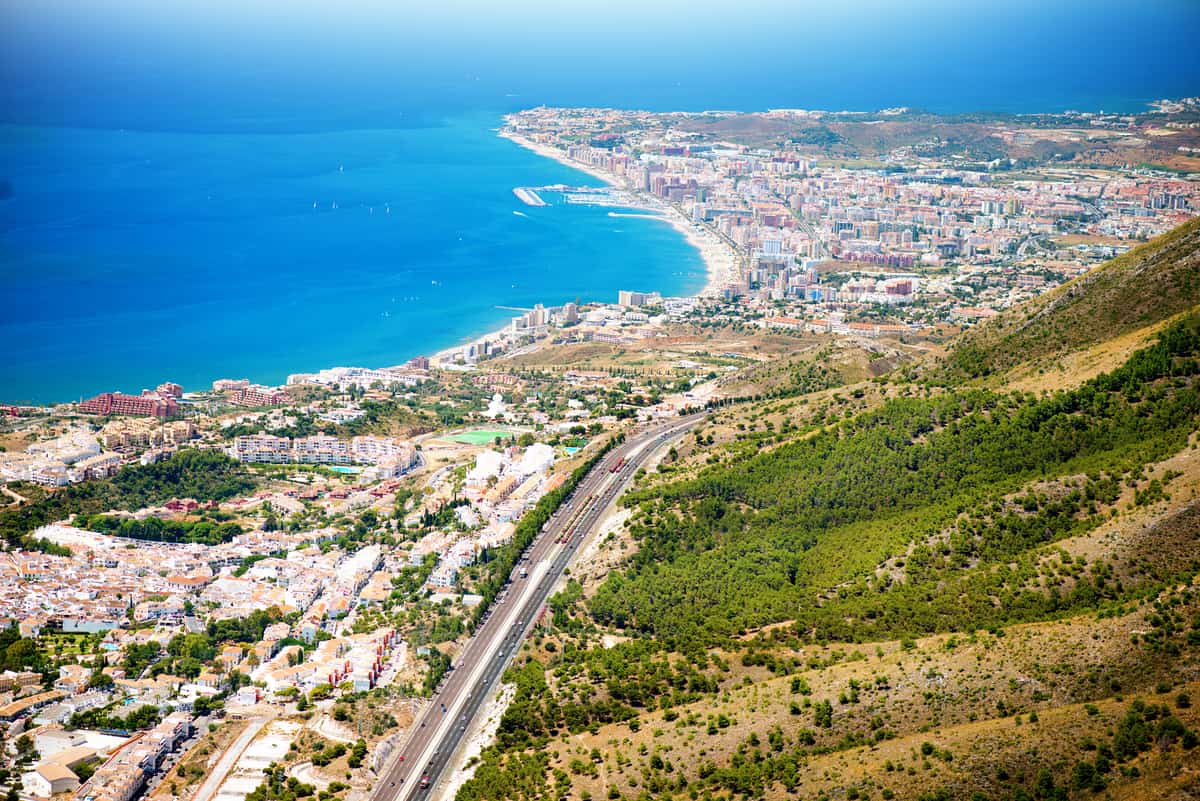
The modern Costa del Sol emerged during the tourism boom of the 1950s and 1960s, when improved air travel transformed a coastline of fishing villages and agricultural communities into one of Europe’s leading holiday destinations. Tourism remains the region’s economic engine, bringing millions of travellers to the area each year while supporting thousands of jobs. The success of the industry has also brought challenges. Large sections of the coastline have been heavily developed, particularly between Málaga and Marbella, while rising property prices, short-term rentals and pressure on water resources continue to fuel debate about the region’s future.
This guide explores the Costa del Sol from east to west, helping you choose where to stay, discover the region’s highlights and plan your trip.
DISCLOSURE: This page contains affiliate links. If you make a purchase via one of those links, we will earn a commission at no extra cost for you.
Where Is Costa del Sol?
The Costa del Sol stretches along the Mediterranean coast of Málaga Province in southern Spain. It is one of Andalusia’s four coastal regions and Spain’s best-known holiday coast, attracting millions of visitors every year.
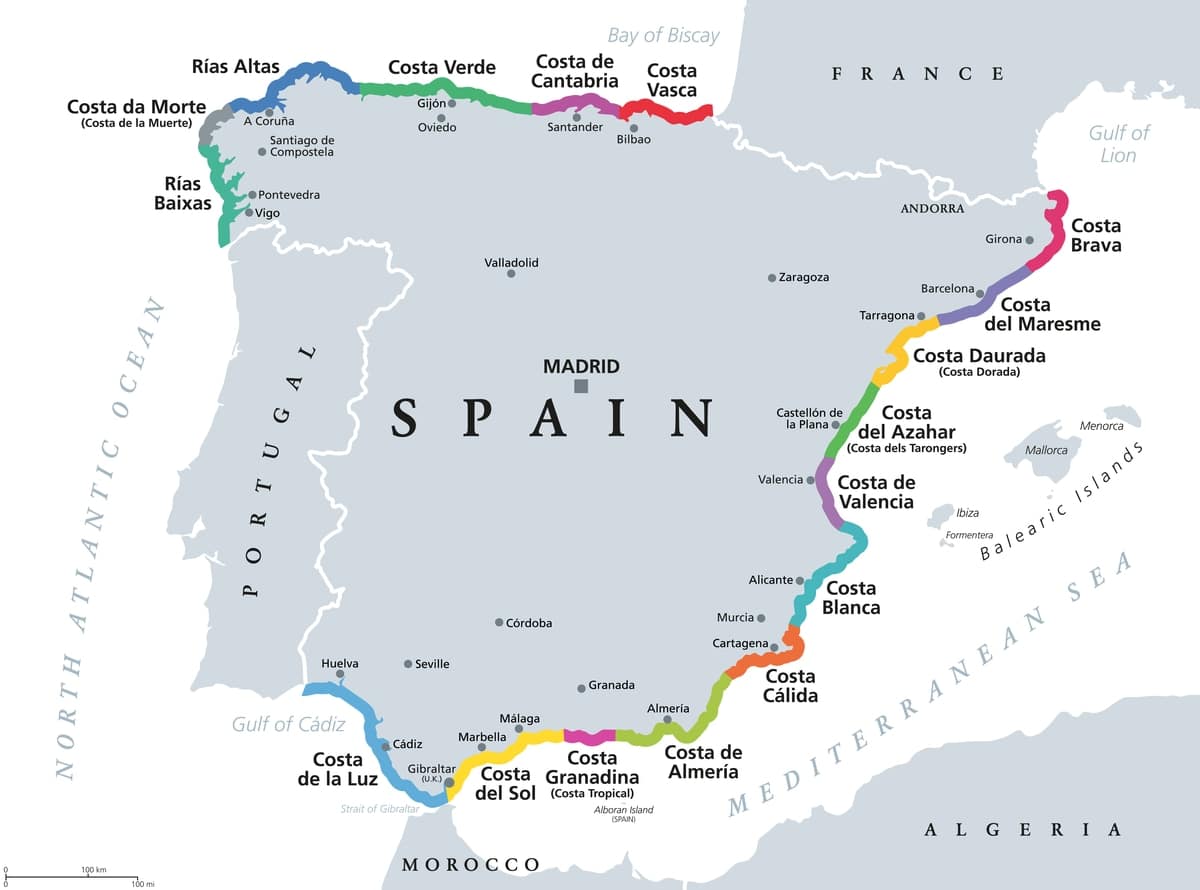
If you’re planning to explore more of the region, it’s worth remembering that the Costa del Sol is only one part of the Andalusian coast. Our Andalusian Coast: A Complete Guide compares all four costas and explains what makes each one different, helping you decide which stretch of coastline best suits your trip.
Choosing the Right Base on Costa del Sol
Choosing where to stay is one of the most important decisions when planning a trip to Costa del Sol. While the coastline is often viewed as a single destination, the experience varies considerably from one area to another. Some places are better suited to beach holidays, others work better for sightseeing, families, golf or nightlife.
If you’re not sure where to start, the table below provides a quick overview. Further down the page, you’ll find detailed guides to each destination.
| If you’re looking for… | Consider staying in… |
|---|---|
| A first trip to Costa del Sol | Málaga or Torremolinos |
| Beaches and scenery | Nerja and Maro |
| Families | Benalmádena or Fuengirola |
| Culture, museums and food | Málaga |
| Golf | Marbella, Nueva Andalucía or Sotogrande |
| Nightlife and dining | Marbella or Puerto Banús |
| A quieter resort | La Cala de Mijas, Estepona or Manilva |
| Exploring without a car | Málaga, Torremolinos, Benalmádena or Fuengirola |
| A traditional Andalusian town with beaches | Estepona and Nerja |
| Day trips to white villages | Nerja, Torre del Mar or La Cala de Mijas |
| Sailing and marina life | Benalmádena, Puerto Banús, La Duquesa or Sotogrande |
| Luxury accommodation | Marbella, Puerto Banús or Sotogrande |
There is no single best place to stay on Costa del Sol. The right choice depends on the type of trip you’re planning. The detailed destination guides below will help you compare each area and find the base that suits you best.
Where to Stay on Costa del Sol
The sections below follow the coastline from east to west, covering the main destinations, nearby resorts and the attractions that make each area worth considering as a base.
Not sure where each resort is? This map shows the main destinations covered in the guide, making it easier to compare their location before deciding where to stay.
Nerja, Maro and Torrox
If you’re planning to stay on the eastern Costa del Sol, Nerja is often the first place to consider. The town combines some of the region’s best-known attractions with easy access to beaches, walking routes and inland villages. At its centre is the Balcón de Europa, a promenade and viewpoint overlooking the Mediterranean. Just outside town, the Nerja Caves (affiliate link) are among Andalusia’s most visited natural attractions, known for their vast chambers and prehistoric cave paintings.

Nerja is also home to several of the Costa del Sol’s most popular beaches. Burriana Beach is the largest and best equipped, with watersports, restaurants and seasonal boat trips. Closer to the old town, Calahonda Beach and Playa El Salón sit below the cliffs near the Balcón de Europa. If you enjoy spending time on the water, Nerja is one of the main centres for kayaking (affiliate link), paddleboarding and boat excursions on this stretch of coast.

Just east of Nerja, Maro provides access to the Acantilados de Maro-Cerro Gordo Natural Area, a protected coastline of cliffs, coves and clear water. This is where you’ll find Playa de Maro and Cala del Cañuelo, two of the most photographed beaches in the region. The area is particularly popular for kayaking routes that pass beneath the cliffs and alongside waterfalls that are inaccessible by road.

A few kilometres west, Torrox combines the inland village of Torrox Pueblo with the beach resort of Torrox Costa. The seafront includes a long promenade, broad beaches and the remains of a Roman settlement and lighthouse at El Faro de Torrox. Nearby El Morche continues the same stretch of coastline and provides additional beach options close to both Torrox and Nerja.
One of the advantages of staying in this area is the number of day trips within easy reach. Frigiliana is only a short drive from Nerja, while Cómpeta offers access to the mountains of the Axarquía and the Sierras de Tejeda, Almijara y Alhama Natural Park. You can also visit El Acebuchal, a restored hamlet hidden in the hills between Frigiliana and Cómpeta. If you want to combine beaches with sightseeing and outdoor activities, Nerja is one of the most versatile bases on the Costa del Sol.
Browse hotels in Nerja (affiliate link)
Torre del Mar and the Axarquía Coast
This stretch of coast is often overlooked in favour of Nerja or Marbella, but it makes a practical base if you want easy beach access without staying in one of the larger resorts. The coastline runs from Rincón de la Victoria through Benajarafe, Algarrobo Costa and Caleta de Vélez to Torre del Mar, with a generally more local feel than many parts of the western Costa del Sol.
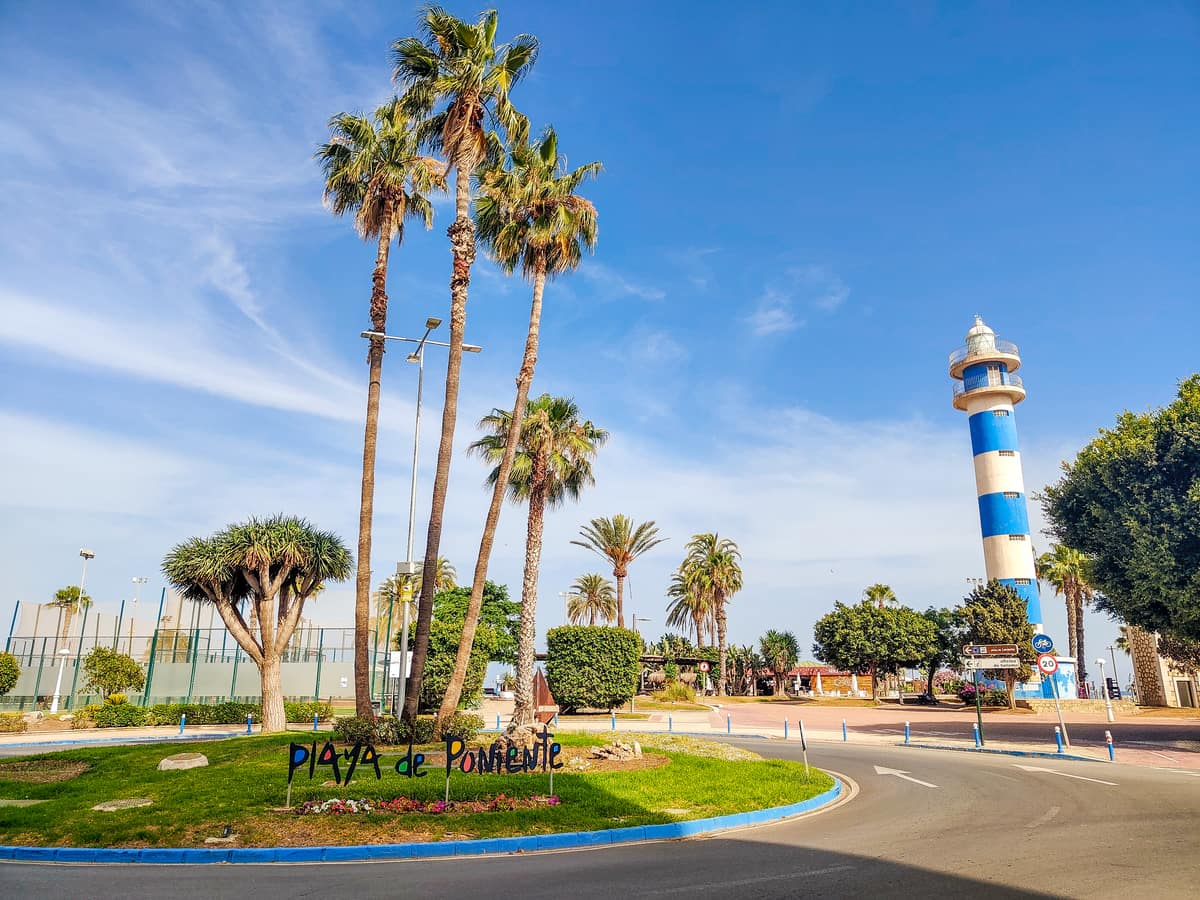
Torre del Mar is the main resort and has one of the longest promenades on the Costa del Sol, backed by a wide beach, numerous chiringuitos and a good range of accommodation. Next door, Caleta de Vélez remains an active fishing port and is also home to the area’s marina.
One reason to stay here is the easy access to the Axarquía. Vélez-Málaga, the historic capital of the region, sits just inland and is worth visiting for landmarks such as the Fortaleza de Vélez-Málaga. Beyond it, roads climb into the hills towards villages including Comares, Almáchar, El Borge and Moclinejo, all of which make straightforward half-day or full-day excursions.
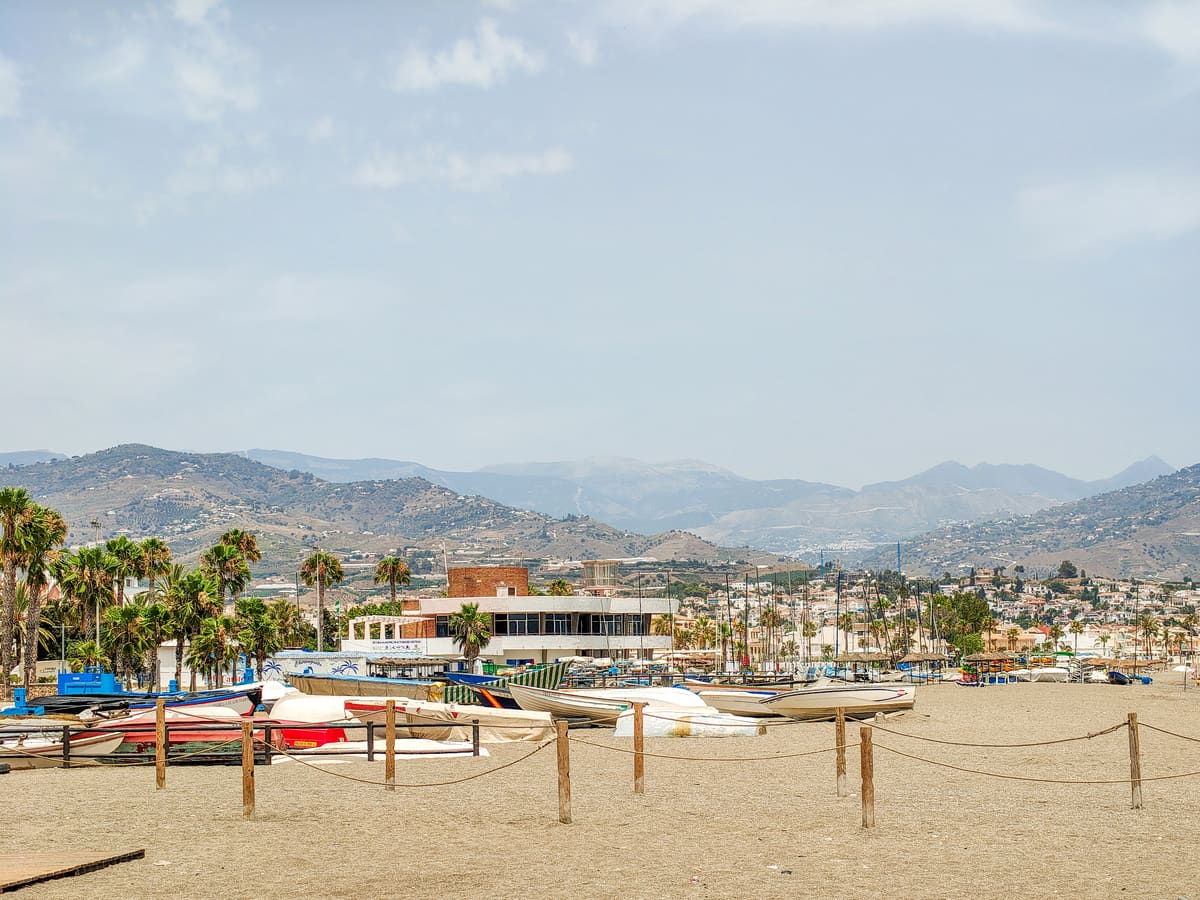
The beaches tend to be wider and easier to access than those around Nerja and Maro. Playa de Torre del Mar, Playa de la Caleta, the beaches of Benajarafe and the long shoreline of Rincón de la Victoria are among the largest on the eastern Costa del Sol. If you stay in Rincón de la Victoria, you’ll also be close to Cueva del Tesoro, one of the few marine caves in Europe open to visitors, and Casa Fuerte Bezmiliana, an 18th-century coastal fortress overlooking the Mediterranean.
Browse hotels in Torre del Mar. (affiliate link)
Málaga
If you’re looking for more than a traditional beach holiday, Málaga offers something different from the resort towns along the Costa del Sol. You can spend the morning exploring historic landmarks and museums, the afternoon at the beach and the evening in one of Andalusia’s best food cities without needing to travel far.

Many of Málaga’s best-known attractions are concentrated within the historic centre. The Alcazaba, a Moorish fortress-palace overlooking the city, is one of the best-preserved monuments of its kind in Spain. At its foot lies the Roman Theatre, dating back to the 1st century BC, while Málaga Cathedral dominates the old town with its Renaissance and Baroque architecture. The city is also home to some of Andalusia’s leading museums, including the Picasso Museum, dedicated to Málaga’s most famous artist, and the Centre Pompidou Málaga, a branch of the renowned Paris museum.

The city is also home to several urban beaches. La Malagueta, within walking distance of the centre, is the most convenient. Further east, Pedregalejo and El Palo retain links to their fishing heritage and are known for their seafront promenades, traditional chiringuitos and some of the best places on the coast to try espetos, sardines grilled over open fires.
You can explore much of Málaga on foot. Most of the main attractions are within walking distance, while the local train and bus network provide easy access to other parts of the coast. Many organised excursions to places such as Ronda, Caminito del Rey, Granada, Córdoba and Gibraltar also depart directly from the city, making it easy to see more of Andalusia without hiring a car.
Browse hotels in Málaga. (affiliate link)
Torremolinos
Torremolinos was one of the places that put the Costa del Sol on the tourism map and remains one of its best-known beach resorts. The town revolves around its long sandy beaches and busy seafront, with beach bars, restaurants, hotels and holiday apartments stretching along much of the coastline.
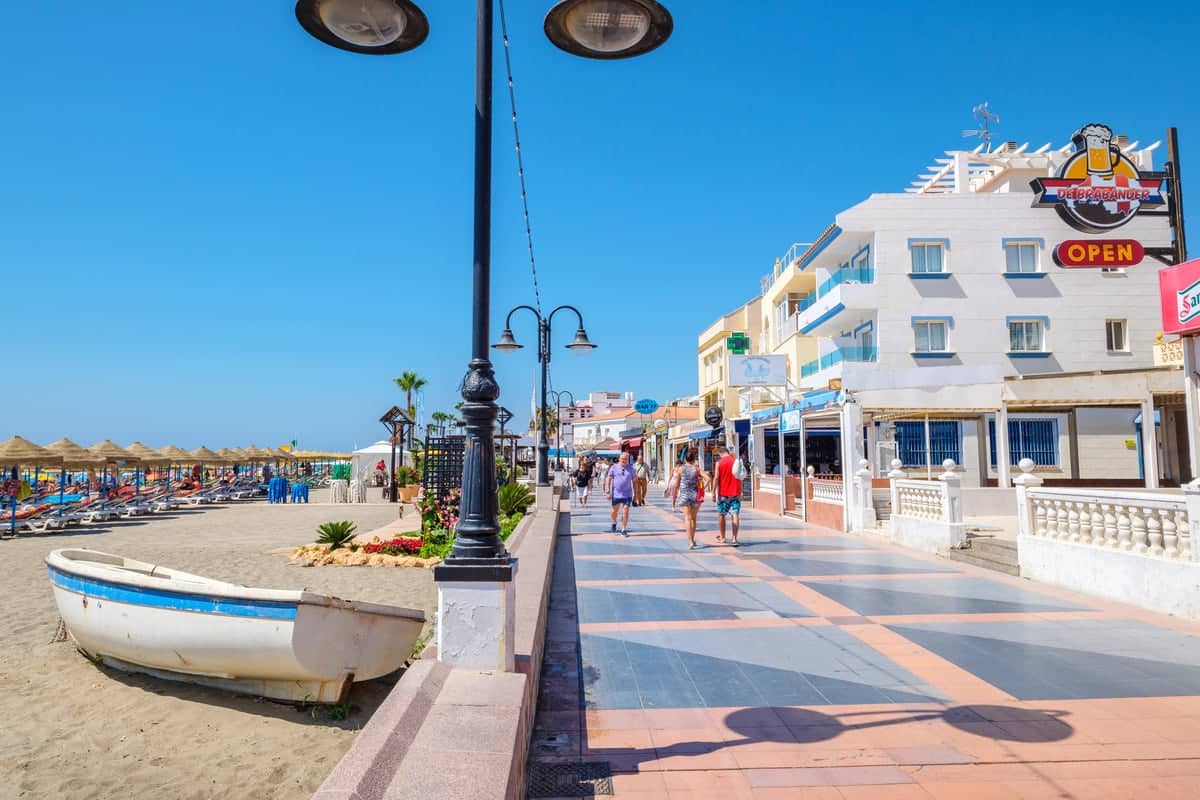
Torremolinos played an important role in the development of modern tourism on the Costa del Sol. While much has changed since the resort’s boom years in the 1960s and 1970s, it continues to attract both Spanish and international tourism.
Playa de la Carihuela, Bajondillo and Los Álamos form a continuous stretch of coastline connected by a long seafront promenade. La Carihuela is the most distinctive part of Torremolinos, having grown from a traditional fishing neighbourhood into one of the best-known seafront areas on the Costa del Sol. The waterfront is lined with seafood restaurants, chiringuitos and terraces, and remains one of the best places on the coast to try fresh fish and local specialities. Bajondillo sits closest to the town centre, while Los Álamos has become one of the main centres for beach clubs and watersports.

Torremolinos is often associated with the rise of modern tourism on the Costa del Sol, but landmarks such as Casa de los Navajas, a Neo-Mudéjar mansion overlooking Bajondillo Beach, predate the resort’s transformation and offer a glimpse of the town before the arrival of mass tourism.
The train line connecting Málaga, Torremolinos, Benalmádena and Fuengirola is one of the reasons the area remains so popular. You can walk to the beach, travel easily along the coast and reach Málaga Airport without needing a car.
Browse hotels in Torremolinos. (affiliate link)
Benalmádena
Benalmádena combines several different sides of the Costa del Sol in one place. Along the seafront you’ll find beaches, hotels and a busy marina. A little further inland, Arroyo de la Miel functions as the town’s commercial centre, and above it all sits Benalmádena Pueblo, a traditional whitewashed village with views across the coastline.
The beaches are among the most popular on this part of the Costa del Sol. Santa Ana, Bil Bil and Malapesquera all lie close to the seafront promenade, making it easy to move between the beach, restaurants and waterfront on foot.

There is also more to do here than in many neighbouring resorts. Puerto Marina is one of the largest and most recognisable marinas on the Costa del Sol and is home to Sea Life Benalmádena (affiliate link), an aquarium with sharks, rays and other marine species. Nearby, Selwo Marina (affiliate link) specialises in dolphins, penguins and other wildlife. The Cable Car climbs into the mountains above the coast, opening up views across the Mediterranean and the surrounding mountains.
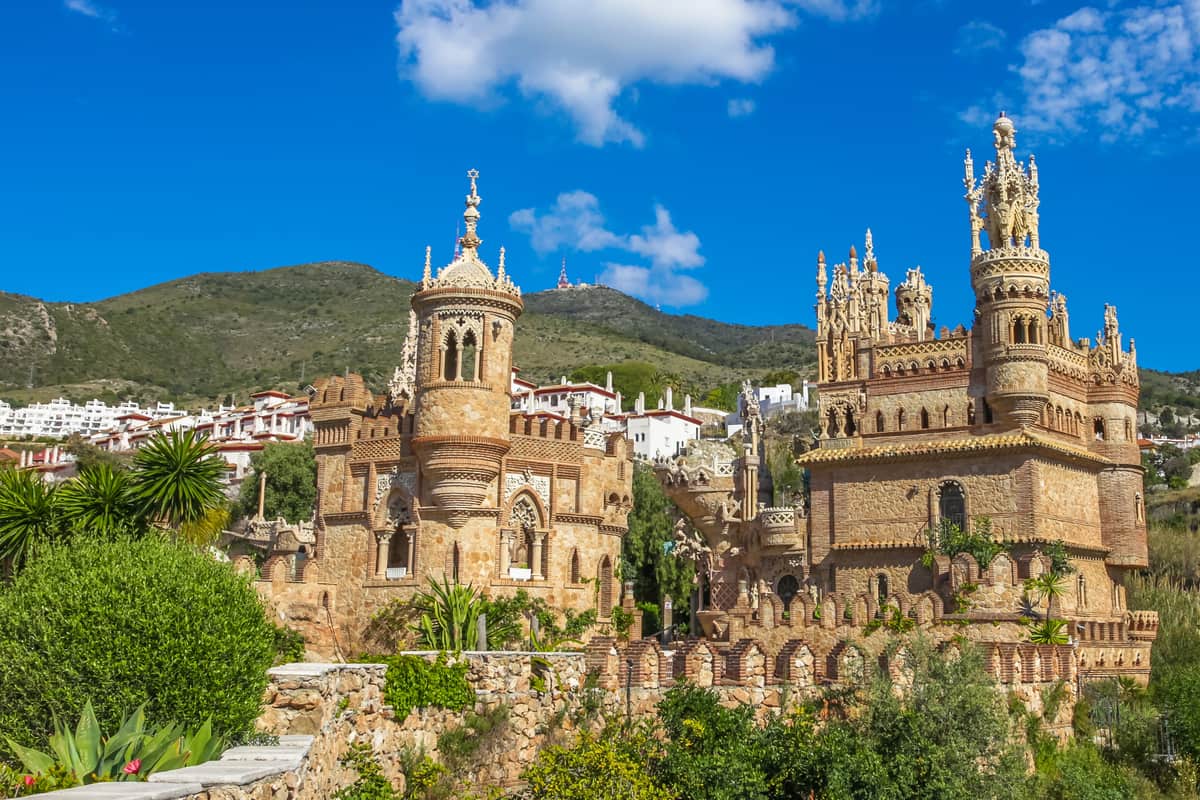
Kids will love the Butterfly Park (affiliate link), a tropical enclosure filled with hundreds of free-flying butterflies. Another landmark worth seeking out is Colomares Castle (affiliate link), an unusual monument built as a tribute to Christopher Columbus and his voyages.
The train connection to Málaga, Torremolinos and Fuengirola makes it easy to explore this part of the coast without needing a car.
Browse hotels in Benalmádena. (affiliate link)
Fuengirola
Fuengirola is a beach town first and foremost. Several kilometres of beaches stretch along the waterfront, with restaurants, cafés, chiringuitos, shops and accommodation never far from the sea. A long seafront promenade links Carvajal, Los Boliches, the marina and the town centre, making it easy to explore on foot.
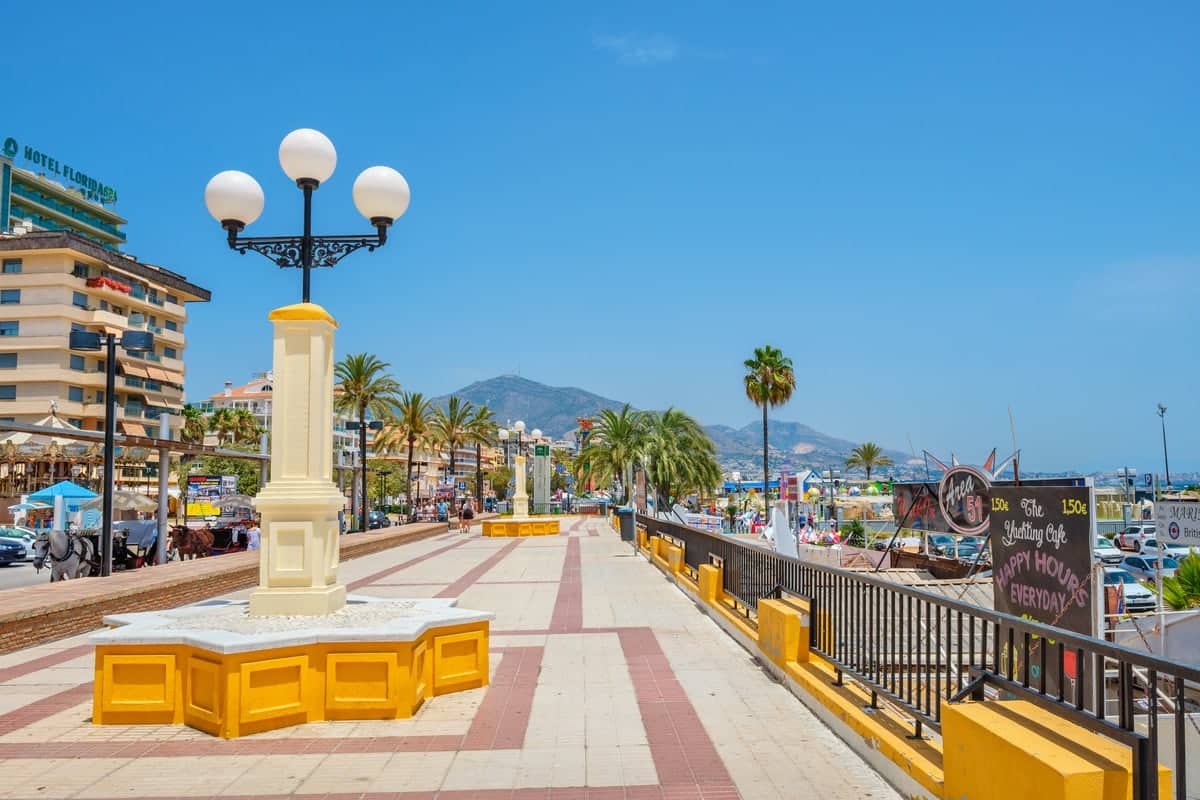
Los Boliches, originally a separate fishing village, remains one of Fuengirola’s best-known neighbourhoods, while Bioparc Fuengirola (affiliate link) is one of the town’s main attractions. The zoo is known for its naturalistic habitats and conservation programmes and is especially popular with families. At the western end of the seafront, Sohail Castle overlooks the coast and hosts concerts, festivals and other events throughout the year.
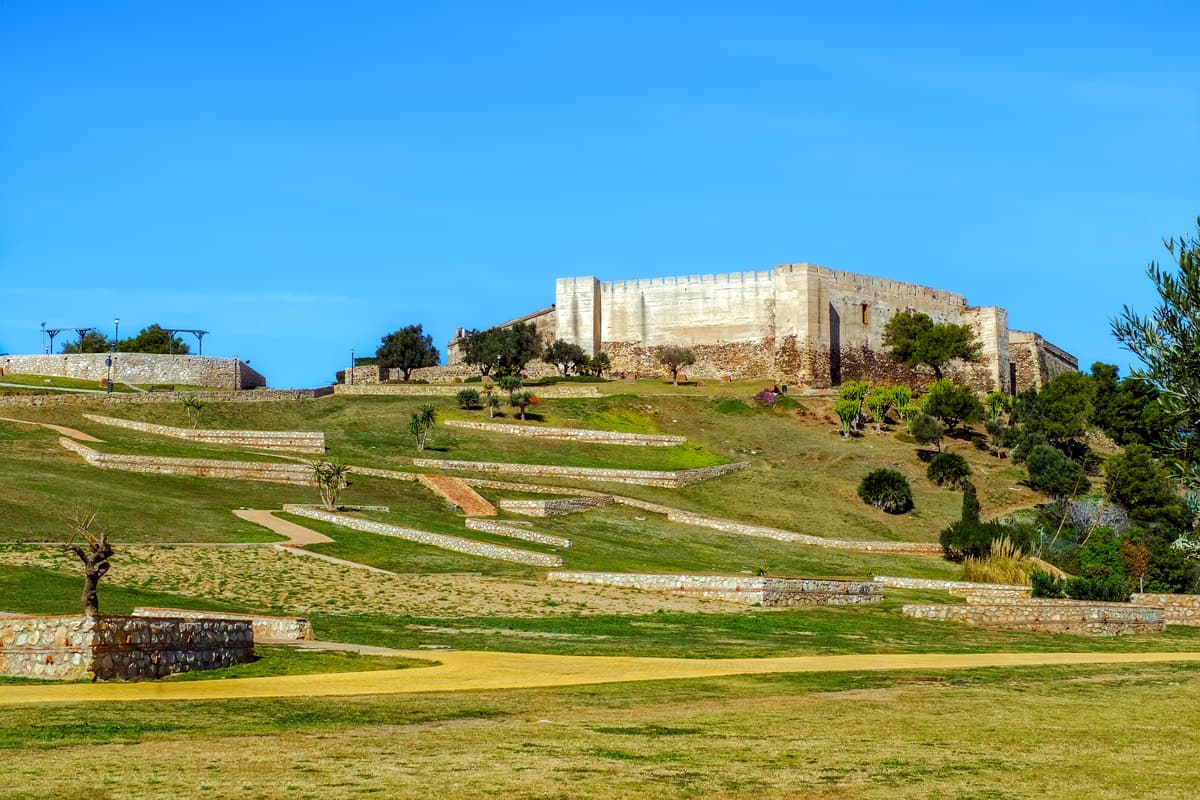
The marina and harbour area provide a base for boat trips and watersports, with restaurants and cafés overlooking the water. If you’re travelling with children, attractions such as Sea Life Benalmádena and Selwo Marina are close enough for an easy day trip.
Browse hotels in Fuengirola. (affiliate link)
La Cala de Mijas and Mijas Costa
La Cala de Mijas began as a fishing village and has grown into one of the Costa del Sol’s most popular smaller resorts. The beach, restaurants and seafront are all within easy walking distance, making it a good choice if you prefer a more relaxed setting than nearby Fuengirola or Marbella.
The surrounding coastline, known as Mijas Costa, includes communities such as Calahonda and Riviera del Sol, where holiday apartments, residential developments and golf courses are a common sight. This is one of the Costa del Sol’s best areas for golf, with numerous courses spread across the hills behind the coast.

La Cala Beach forms the heart of the resort and is backed by cafés, restaurants and chiringuitos. From here, you can join the Senda Litoral, a coastal boardwalk that follows the shoreline through much of Mijas Costa. The route passes beaches, coves, watchtowers and small seafront communities, making it one of the most enjoyable stretches of the coast to explore on foot.

Staying in La Cala de Mijas also puts you within easy reach of Mijas Pueblo, less than 20 minutes inland. One of the most famous and most visited white villages in Andalusia, it offers a striking contrast to the coast with its whitewashed streets, viewpoints and traditional Andalusian character.
Browse hotels in Mijas Costa. (affiliate link)
Marbella
Marbella is often associated with luxury tourism, but staying here gives you access to one of the most varied stretches of coastline on Costa del Sol. The area includes Cabopino, Elviria, Marbella, Puerto Banús, Nueva Andalucía and San Pedro de Alcántara, each appealing to a slightly different type of traveller.

If you’re looking for restaurants, nightlife and some of the best dining on Costa del Sol, Marbella has few rivals. At the same time, the town’s historic centre remains one of the highlights of the coast. Around Orange Square (Plaza de los Naranjos), you’ll find narrow streets, small plazas and independent shops that feel a world away from the image often associated with Puerto Banús.
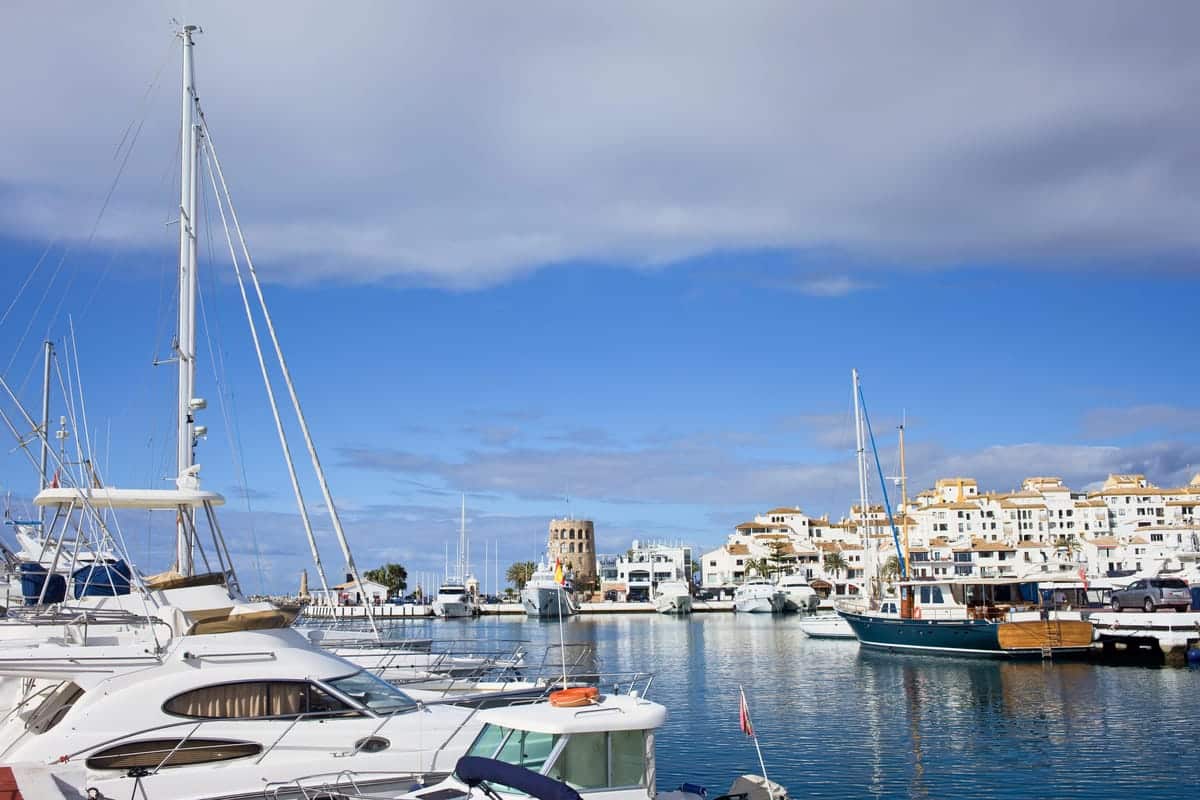
Beyond the Old Town, Marbella has several attractions worth exploring. Alameda Park and Avenida del Mar create an easy walk between the historic centre and the seafront, passing a collection of Salvador Dalí sculptures along the way. The Golden Mile, which connects Marbella with Puerto Banús, is lined with some of the area’s best-known hotels, restaurants and beach clubs.

The beaches are equally varied. Cabopino Beach is one of the most attractive on Costa del Sol and sits beside protected sand dunes and a small marina. Further east, Elviria is known for its long sandy beaches and resort-style accommodation. In Marbella itself, Venus Beach provides easy access from the town centre.
Golf is another major draw. Nueva Andalucía, often referred to as the Golf Valley, is home to several of the region’s best-known courses and has become one of the most popular areas for longer stays.
Browse hotels in Marbella. (affiliate link)
Estepona
People often compare Estepona with Marbella, and for good reason. Both have attractive old centres, beaches and a strong restaurant scene. The difference is that Estepona generally feels more relaxed and less dominated by luxury tourism.

The town itself is one of the main reasons to stay here. Over the last two decades, the Old Town has been transformed into one of the most attractive urban centres on Costa del Sol, with pedestrian streets, small squares and flower-filled corners that are a pleasure to explore. One of the town’s most distinctive landmarks is the Orchidarium, a striking glass-domed botanical garden housing thousands of orchid species.

Along the coast, you’ll find a mix of residential areas and beach developments stretching through Cancelada, Bel Air, Benamara, Costalita, Selwo and Casares Costa. This gives you plenty of choice, whether you’re looking for a resort hotel, a holiday apartment or a quieter base away from the centre.
The seafront is another reason many people choose Estepona. Playa de la Rada runs alongside the town centre and is backed by a long promenade lined with restaurants, cafés and chiringuitos. At its western end, Estepona Marina adds another focal point, with waterfront restaurants, bars and a working harbour. A little further west, Playa del Cristo sits in a sheltered bay and is particularly popular with families.

If you’re travelling with children, Selwo Aventura (affiliate link) is one of the area’s best-known attractions. The wildlife park lies just outside the town and makes an easy half-day outing from most parts of the western Costa del Sol.
Browse hotels in Estepona. (affiliate link)
Manilva, La Duquesa and Sotogrande
If you’re considering the western end of Costa del Sol, the choice is less about beaches and more about the type of resort you prefer. La Duquesa and Sotogrande sit only a few kilometres apart, yet they feel very different.

Around Sabinillas and Puerto de la Duquesa, the atmosphere is relaxed and unpretentious. The area centres on La Duquesa Marina, where restaurants and cafés overlook the harbour, and long stretches of coastline extend west towards Manilva. Accommodation is largely made up of apartments, holiday developments and smaller hotels rather than large resorts.
Nearby, Castillo de la Duquesa reflects the strategic importance of this coastline long before tourism arrived. The small fortress stands beside the marina and is one of the area’s most recognisable landmarks.

Further west, Sotogrande is known for golf, sailing and polo. Built as an exclusive residential community, it has developed around marinas, golf courses and low-density housing rather than a traditional town centre. Even if you have no interest in golf, the marina area and Sotogrande Beach are worth exploring.
This part of the coast also works well as a base for day trips. Gibraltar is nearby, the beaches are generally less crowded than those further east, and the road connections make it easy to explore both Costa del Sol and the Campo de Gibraltar region.
Browse hotels in Manilva. (affiliate link)
Day Trips from Costa del Sol
One of the advantages of staying on Costa del Sol is how much of Andalusia can be reached in a day. White villages, mountain landscapes, historic cities and some of Spain’s most famous attractions all lie within a few hours of the coast. A beach holiday here can easily include everything from dramatic gorges and mountain towns to UNESCO World Heritage sites.
Ronda
Perched above a dramatic gorge in the mountains of Málaga province, Ronda is one of Andalusia’s most visited inland destinations. The town is best known for the Puente Nuevo, which spans the El Tajo gorge, but there is much more to see, including Spain’s oldest bullring, historic palaces and a compact old town.
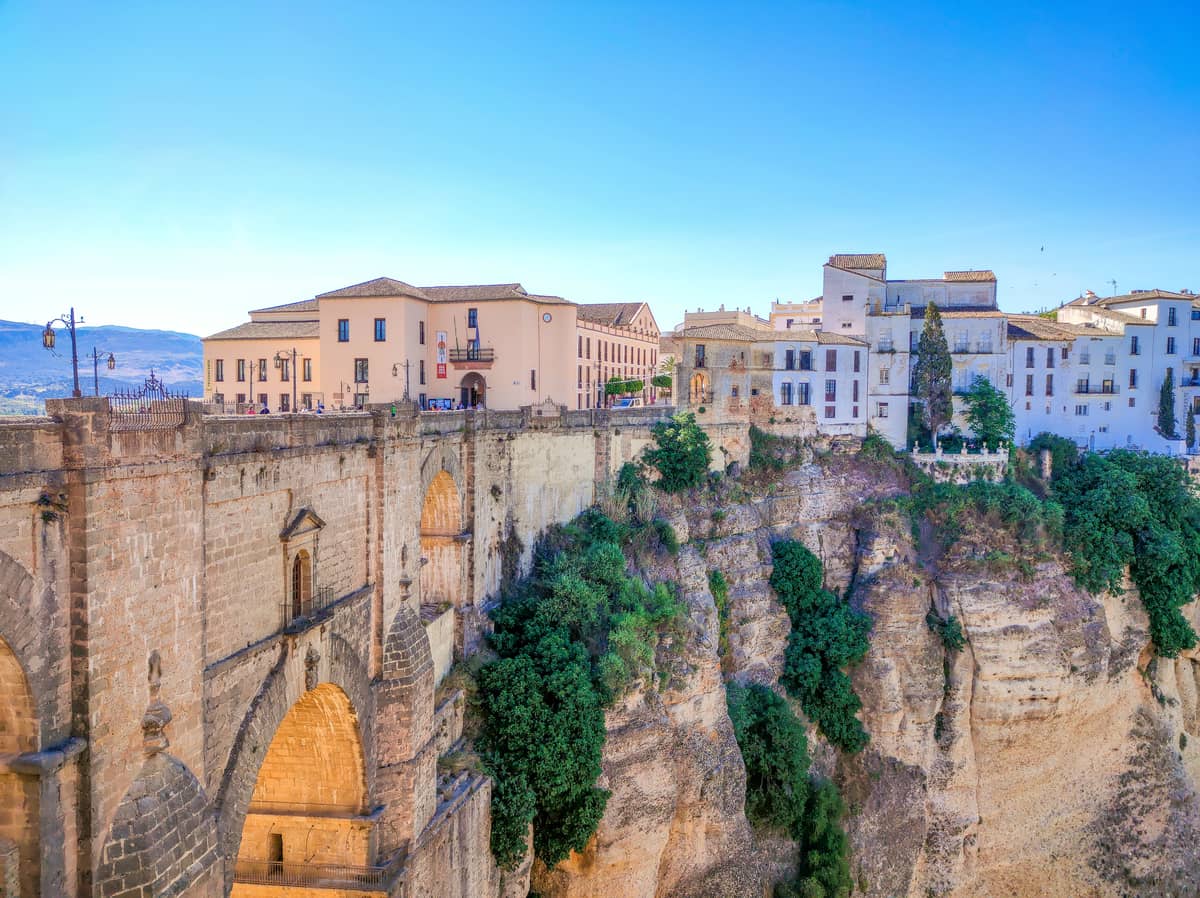
Ronda can be reached independently by car, but many people prefer a guided day trip from the coast, particularly from Marbella, Fuengirola and Málaga.
Browse Ronda day tours from Costa del Sol (affiliate link)
Caminito del Rey
The Caminito del Rey has become one of Andalusia’s most popular attractions. The route follows a series of walkways attached to the walls of a narrow gorge and offers some of the most spectacular scenery in southern Spain.

Tickets often sell out well in advance, especially during spring and autumn. If you’re not driving, organised tours from Málaga and other Costa del Sol resorts are often the simplest option.
Check Caminito del Rey tours and tickets (affiliate link)
Granada and the Alhambra
Few attractions in Spain attract as much interest as the Alhambra. This vast palace and fortress complex is one of the country’s most important historic sites and the highlight of any visit to Granada.
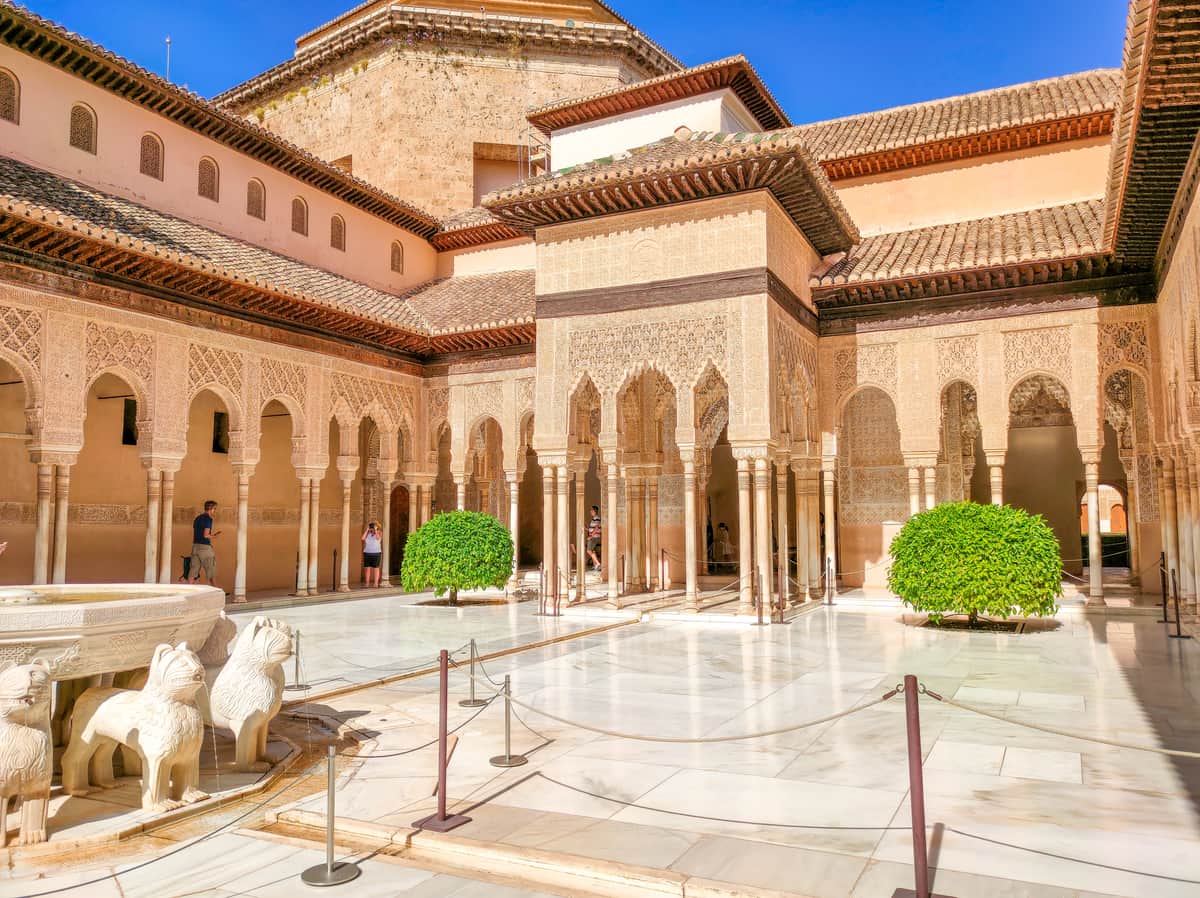
The city can be visited independently, but Alhambra tickets frequently sell out months in advance. If you are staying on Costa del Sol it will make more sense to book a guided day trip that includes transport and pre-booked entry.
Compare Granada and Alhambra tours from Costa del Sol (affiliate link)
Gibraltar
At the southern end of the Iberian Peninsula, Gibraltar feels very different from the rest of Andalusia. British red telephone boxes, English pubs and views across the Strait of Gibraltar create a unique atmosphere, while the famous Rock is home to Europe’s only wild monkeys.

The territory can be visited independently, but organised tours remove the hassle of parking, border crossings and transport.
Explore Gibraltar day trips from Costa del Sol (affiliate link)
Frigiliana and the White Villages
The mountains behind Costa del Sol are dotted with traditional white villages, many of which can be explored as half-day or full-day excursions. Frigiliana is often considered one of the most beautiful, while villages such as Comares, Mijas Pueblo and Casares offer a glimpse of a very different side of Andalusia.

If you’re staying in Nerja, Torre del Mar or La Cala de Mijas, several of these villages are easy to reach independently. Guided tours are also available from the main coastal resorts.
Discover white village tours from Costa del Sol (affiliate link)
Córdoba
Although often overlooked in favour of Granada and Seville, Córdoba is home to one of Spain’s most remarkable monuments: the Mezquita-Catedral. The city also contains a beautiful historic centre, Roman remains and some of Andalusia’s most atmospheric streets and courtyards.

From western Costa del Sol, Córdoba is a realistic day trip and is frequently included in organised excursions departing from Málaga and Marbella.
Browse Córdoba tours from Costa del Sol (affiliate link)
Planning Your Trip
Getting to Costa del Sol
If you’re flying to Costa del Sol, you’ll most likely arrive at Málaga Airport (AGP). Located between Málaga and Torremolinos, it is the main gateway to the region and offers direct connections to destinations across Europe.

Depending on where you’re staying, two smaller airports may also be worth considering. Granada Airport (GRX) can be a convenient option for Nerja and the eastern Costa del Sol, while Gibraltar Airport (GIB) is often the closest choice for Sotogrande, Manilva and the western end of the coast.

After landing, you’ll need to decide how to reach your accommodation. If you’re staying in Málaga, Torremolinos, Benalmádena or Fuengirola, public transport is often sufficient. For destinations further east or west, an airport transfer or rental car is usually the more practical option.
Compare airport transfers from Málaga Airport (affiliate link)
Hiring a Car
If you plan to explore beyond your resort or beach town, renting a car is often the easiest option. This is particularly true if you’re staying in Nerja, Torre del Mar, Marbella, Estepona, Manilva or Sotogrande, where many of the best day trips and lesser-known beaches are easiest to reach by road.
Picking up a car directly from Málaga Airport is usually the most convenient option, and you’ll find a wide choice of rental companies operating from the terminal. Booking in advance is recommended during the busy summer months.
A car also makes it easier to explore inland Andalusia. Destinations such as Ronda, Caminito del Rey, the Axarquía villages, Mijas Pueblo and parts of Sierra de las Nieves National Park are all much more accessible when you have your own transport.
Compare car hire prices at Málaga Airport (affiliate link)
Getting Around
How easy it is to get around depends largely on where you choose to stay.
If you’re based in Málaga, Torremolinos, Benalmádena or Fuengirola, you can explore much of the central Costa del Sol without a car. The Cercanías C1 train line connects Málaga Airport with the main resorts along this stretch of coastline, and many attractions are within walking distance.
Beyond Fuengirola, you’ll need to rely on buses, organised tours or a car. Most long-distance bus services along Costa del Sol are operated by Avanza, which connects Málaga with destinations such as Marbella, Estepona, Manilva and Sotogrande. On the eastern side of the coast, services to Rincón de la Victoria, Torre del Mar, Torrox and Nerja are operated by ALSA.

One detail worth knowing is that not all bus routes start at Málaga Airport. In many cases, you’ll first need to travel to Málaga Bus Station, located next to María Zambrano railway station, before continuing your journey along the coast. The airport train provides an easy connection between the two.
Public transport is generally reliable for travelling between the main towns, but some beaches, viewpoints and inland villages are more difficult to reach. Places such as Frigiliana, Comares, Mijas Pueblo, Ronda and Caminito del Rey are often easier to visit by car.
If you don’t want to drive, organised tours are another option. Day trips to Ronda, Caminito del Rey, Granada, Córdoba and Gibraltar depart from many Costa del Sol resorts and remove the need to worry about transport or parking.
Browse day tours from Costa del Sol (affiliate link)
Explore Costa del Sol
Costa del Sol is far more diverse than many first-time visitors expect. From the cliffs and coves around Nerja to the marinas of Benalmádena, the historic centre of Málaga, the beaches of Marbella and the quieter resorts around Estepona and Sotogrande, each stretch of coastline offers a different experience.
This guide provides an overview of the region, but many destinations deserve a closer look. Use the guides below to explore individual towns, attractions and day trips in more detail:
- Nerja: Best Things to Do, Top Attractions and Activities
- Málaga Travel Guide
- Marbella: Unforgettable Experiences and Must-See Spots
If you’re still deciding where to stay, start with the destination that best matches your travel style. If you’ve already chosen your base, the guides above will help you make the most of your time on Costa del Sol.
Just beyond Nerja, the Costa Tropical offers a very different coastal experience. Explore our Costa Tropical Guide to see if it’s a better match for your trip.