
Seville, a gem in the heart of southern Spain, offers an enchanting mix of history, culture, and modern architecture. Discover Seville, marked by its stunning architecture and bustling plazas, that dates back centuries. Whether you’re wandering through the Alcázar’s lush gardens or marvelling at the intricate designs of the Seville Cathedral, this city promises an unforgettable journey.
Navigating through Seville is a breeze, with its well-connected public transport and pedestrian-friendly streets. The city’s culinary scene will tantalise your taste buds, with traditional tapas bars and contemporary eateries around every corner. Expect to immerse yourself in fiery flamenco performances, lively local festivals, and serene religious sites.

Make sure you also carve out time for Seville’s many gardens and parks, perfect for a leisurely stroll or a quiet moment of reflection. Cleverly blending the past with the present, Seville remains a top destination for both seasoned travellers and first-time visitors, inviting you to explore its numerous attractions and hidden treasures.
in a nutshell
- Seville offers a rich mix of historical and cultural attractions.
- Easy navigation and vibrant culinary scene enhance your experience.
- A blend of traditional festivals and serene parks await exploration.
DISCLOSURE: This page contains affiliate links. If you make a purchase via one of those links, we will earn a commission at no extra cost for you.
Seville’s Rich History
Seville’s past is marked by varied influences, from its early Islamic roots to its critical role in the age of exploration.
Muslim and Christian Heritage
Seville’s history is deeply intertwined with both Muslim and Christian influences. The city was part of the Islamic Caliphate for over 500 years, leaving a lasting legacy on its architecture and culture. You can see evidence of this at the Giralda, originally a minaret before becoming a bell tower.

Christian influence took hold in 1248 when King Ferdinand III of Castile reconquered the city. Many Islamic structures were adapted for Christian use, resulting in a unique architectural blend. The Seville Cathedral, one of the largest Gothic cathedrals in the world, stands as a testament to this transitional period.
Walking through the Jewish Quarter reveals the intertwined religious histories. Ancient synagogues converted into churches reflect the religious and cultural shifts over the centuries.
The Influence of the Moors
The Moors profoundly shaped Seville during their rule from 711 to 1248. They introduced advanced agricultural techniques, enriching the region’s economy. The Alcázar of Seville (affiliate link), a royal palace originally developed by Moorish Muslim kings, showcases exquisite Islamic architecture and lush gardens.

Moorish art and science flourished, significantly impacting the city’s development. You will notice intricate tile work, known as azulejos, throughout Seville. These decorative elements were essential in Moorish design, highlighting the blend of artistic and functional beauty.
The influence is still palpable in the Alcázar, a site that continues to attract visitors with its stunning Mudéjar architecture, showcasing intricate geometric patterns and lush, ornate courtyards.
Christopher Columbus and Exploration
Seville played a crucial role in the age of exploration, particularly during the voyages of Christopher Columbus. The city was the launchpad for numerous expeditions to the New World, making it a centre of maritime activity. The Archivo de Indias stands as a vital repository of documents chronicling Spanish explorations.
Christopher Columbus has a notable presence in Seville. His tomb can be found in the Seville Cathedral, symbolising his connection to the city. The navigational achievements that departed from Seville shaped global trade and cultural exchanges profoundly.

Visits to the Archivo de Indias (affiliate link) provide insight into this pivotal period. The documents within, include original logs, maps, and correspondences that shaped the course of world history. Seville’s Golden Tower (affiliate link) (Torre del Oro) by the Guadalquivir River further highlights the city’s maritime heritage and essential role during the age of exploration.
Seville’s unique neighbourhoods offer distinct vibes and attractions, while an array of transportation options facilitate easy exploration.
Neighbourhoods and Districts
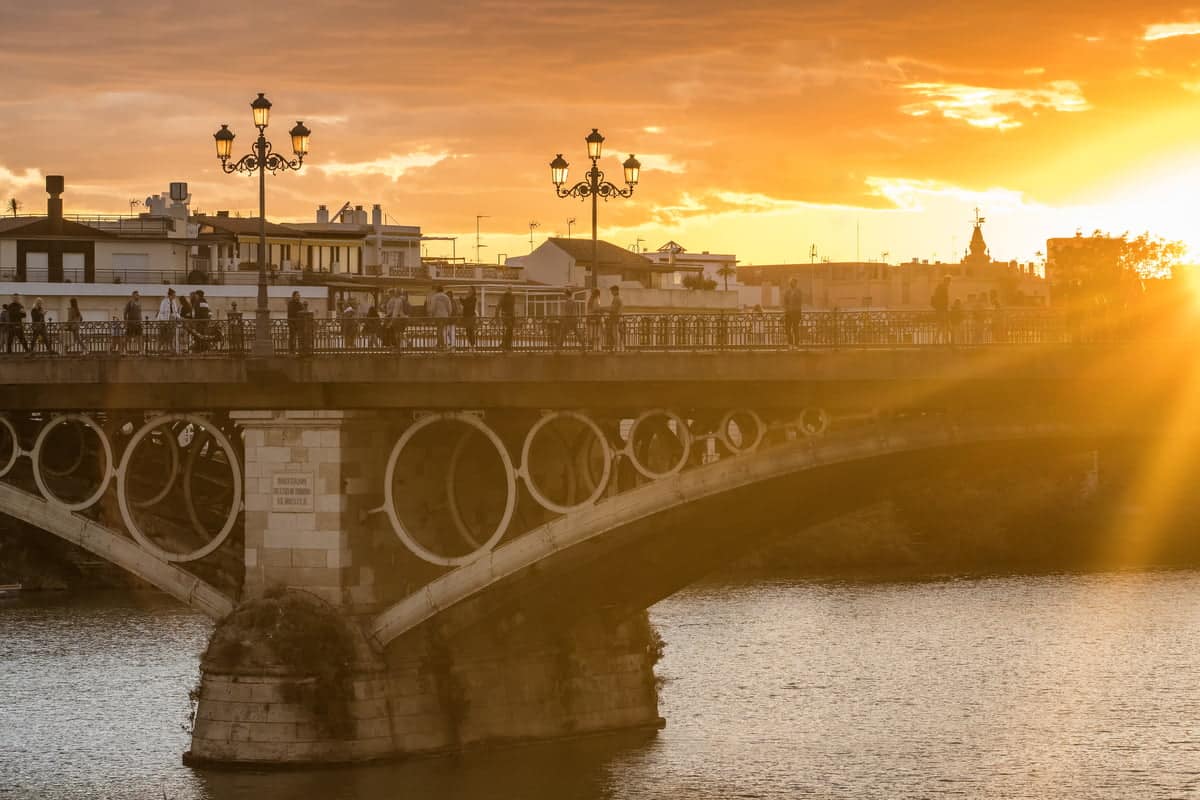
Seville is home to a diverse range of neighbourhoods, each with its own charm. Santa Cruz, the old Jewish quarter, features winding alleys and historic landmarks like the Alcázar and Seville Cathedral. Triana, across the Guadalquivir River, is vibrant with flamenco culture and ceramic shops.
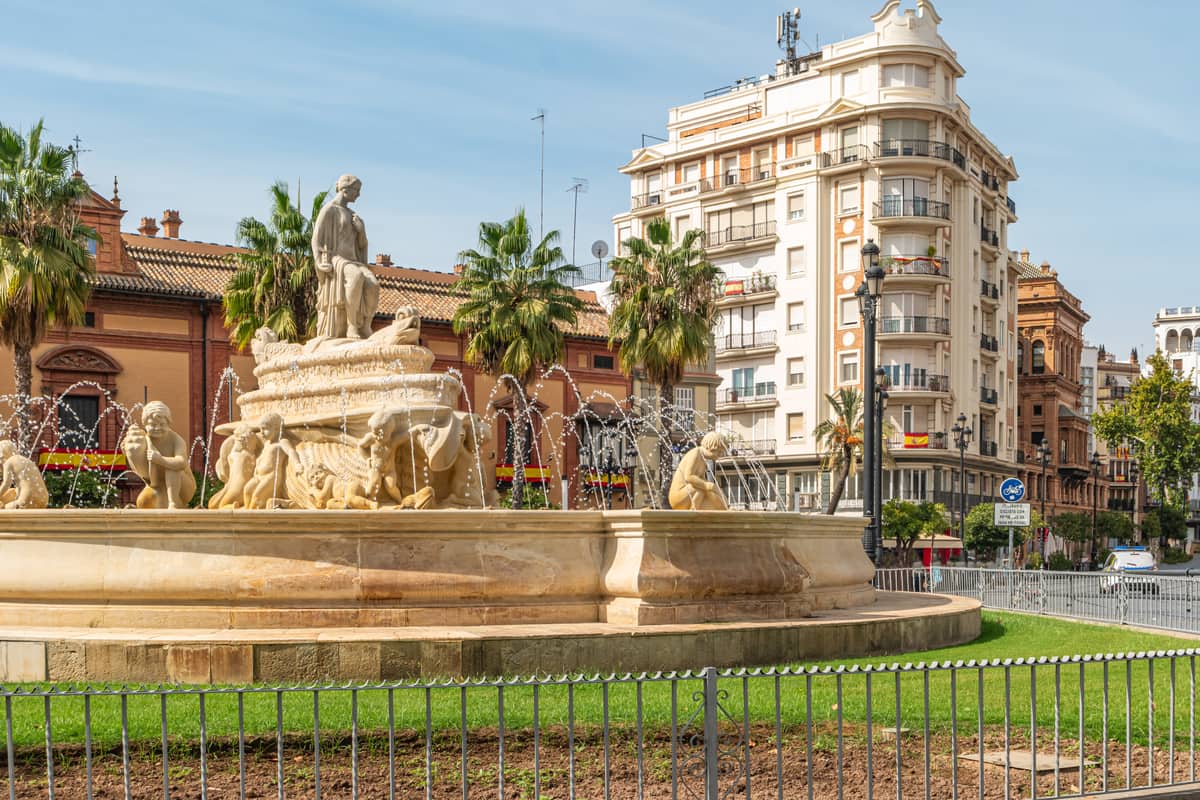
La Macarena offers a bohemian feel, with the renowned Basilica de la Macarena. Los Remedios, known for its spacious avenues, is popular for the annual Feria de Abril. Understanding these neighbourhoods can help you plan your visit to see various cultural landmarks, local markets, and dining spots.
Transportation Tips
For convenience, Seville has an efficient public transportation system. Buses, trams, and the metro cover the city extensively. The tram (MetroCentro) runs through the city centre, connecting key points like Plaza Nueva and San Bernardo.
Taxis are widely available and relatively inexpensive. For a more authentic experience, consider hiring a bike; Seville is very bike-friendly with numerous cycle lanes. Walking is also a great option, especially in compact areas like Santa Cruz and Triana. Downloading a reliable map app can further simplify your navigation.
Iconic Architecture and Monuments
Seville is a melting pot of architectural styles, from Gothic and Mudéjar masterpieces to striking contemporary structures. You’ll discover captivating landmarks that reflect the city’s unique history and cultural heritage.
Gothic and Mudéjar Architectural Wonders
Seville’s Gothic and Mudéjar architecture offers a feast for the eyes. The Seville Cathedral (affiliate link), one of the largest Gothic cathedrals in the world, is a must-visit. Its Giralda bell tower, once a minaret, showcases a blend of Moorish and Renaissance styles.

The Real Alcázar is another highlight, a royal palace exhibiting Mudéjar design with intricate tile work and lavish gardens. Casa de Pilatos (affiliate link), a 16th-century mansion, also exemplifies the mix of Mudéjar, Gothic, and Renaissance elements, adorned with beautiful courtyards and fountains.

Torre del Oro (affiliate link), a historic watchtower on the Guadalquivir River, adds to Seville’s architectural charm, reflecting its medieval military heritage.
Contemporary Architecture
Seville’s modern architecture is equally impressive. Las Setas (affiliate link) stands out with its massive wooden structure resembling giant mushrooms. This contemporary landmark provides panoramic views of the city from its observation deck.

Plaza de España in Maria Luisa Park, though constructed in 1928, has a more modern architectural feel with its blend of Art Deco and Neo-Mudéjar styles. Its semi-circular building and vibrant tile alcoves represent Spanish provinces.

These contemporary structures contrast beautifully with Seville’s historical landmarks, offering a well-rounded architectural experience.
Cultural Experiences
Seville is a city rich in tradition, offering visitors a vibrant array of cultural experiences. From captivating flamenco performances (affiliate link) to traditional fiestas and world-class art galleries, there’s something to capture everyone’s interest.
Flamenco Performances
Flamenco is an integral part of Seville’s cultural identity. You can experience this passionate dance and music in authentic tablaos (flamenco venues) like El Patio Sevillano and Los Gallos. These venues showcase talented dancers, singers, and guitarists who convey the intense emotions embedded in flamenco.
Read more: Best Flamenco experience in Andalusia
Additionally, you can visit smaller, intimate spaces or street performances in neighbourhoods like Triana (affiliate link) and Santa Cruz. Here, you can feel the raw energy and deep-rooted tradition of this Spanish art form up close.
Traditional Fiestas
Seville’s traditional fiestas are a highlight of its cultural calendar. Semana Santa (Holy Week) features solemn processions with ornate floats depicting scenes from the Passion of Christ. This event draws thousands of visitors and profoundly reflects Spanish religious culture.

Read more: Most famous Andalusian festivals
Following Semana Santa, the Feria de Abril (April Fair) offers a vibrant celebration with flamenco dresses, casetas (decorated tents), and a lively atmosphere of music and dance. This festival provides a unique glimpse into Sevillian joy and hospitality.
Art Galleries and Museums
Seville’s art galleries and museums are havens for lovers of Spanish culture and art. Museo de Bellas Artes (affiliate link), housed in a former convent, displays masterpieces from the medieval period to the early 20th century, including works by Murillo and Zurbarán.
Don’t miss structures showcasing Mudéjar architecture like the Palacio de las Dueñas (affiliate link) or architectural works by Aníbal González, the renowned Spanish architect. These venues offer insights into the historical and artistic evolution of Seville, making your visit truly enriching.
Seville’s Culinary Scene
Seville offers a vibrant culinary scene rich with traditional flavours and modern twists. From cosy tapas bars to bustling food markets, there’s something for every palate. Savour local delicacies and immerse yourself in the culture through its cuisine.
Read more: Best foods in Andalusia
Tapas Bars and Restaurants
Seville is renowned for its tapas culture, with countless bars and restaurants serving these small dishes. El Arenal is a popular area for tapas, offering a mix of traditional and contemporary spots. Try espinacas con garbanzos (spinach with chickpeas) or jamón ibérico (cured ham).

Another hotspot is Alameda de Hércules, known for its lively nightlife and eclectic eateries. Enjoy a glass of sherry while sampling salmorejo (a chilled tomato soup) or gambas al ajillo (garlic prawns). Many tapas bars also offer media raciones (half portions) for a more substantial meal.
Local Cuisine and Delicacies
Seville’s cuisine reflects its rich history, blending Moorish, Jewish, and Christian influences. Some must-try dishes include bacalao con tomate (cod in tomato sauce) and pringá (a hearty mix of meats often served in a sandwich).
Don’t miss out on traditional desserts like torrijas (Spanish-style French toast) and tocino de cielo (a rich egg yolk flan). For a refreshing treat, helado de turrón (nougat ice cream) is popular during the warmer months.
Food Markets and Street Food
Seville’s food markets are a feast for the senses. Mercado de Triana is one of the oldest and offers a variety of fresh produce, meats, and cheeses. You can also find ready-to-eat snacks like empanadas and olives.
For a more modern experience, visit Mercado Lonja del Barranco. This market combines traditional offerings with gourmet options, making it perfect for a leisurely meal or quick bite. On the streets, sample churros dipped in hot chocolate or pick up a bocadillo (sandwich) filled with delicious local ingredients.
Religious Sites and Ceremonies
Seville’s rich religious history is reflected in its impressive array of churches, cathedrals, and traditional ceremonies. Key sites include the Seville Cathedral, which dominates the skyline, and other notable churches and chapels that hold centuries of history and artistic treasures.
The Seville Cathedral
The Seville Cathedral (affiliate link), known locally as Catedral de Santa María de la Sede, is the largest Gothic cathedral in the world. Originally built as a mosque, it was converted into a Christian cathedral in 1248. The cathedral’s towering Giralda Tower, once a minaret, is a symbol of the city.
Inside, you can find the Main Chapel decorated with the largest altarpiece in Christendom. The cathedral also houses the grave of Christopher Columbus. Don’t miss the Patio de los Naranjos, a courtyard filled with orange trees, a vestige of its Islamic past.
Other Notable Churches and Chapels
The Basilica of La Macarena is famous for its statue of the Virgin of Hope, a key figure during Seville’s Semana Santa (Holy Week). Semana Santa is an annual event featuring processions with religious floats, drawing thousands of visitors.

The Church of El Salvador, built on the site of a former mosque, boasts impressive baroque architecture and intricate wood carvings. Strolling through its chapels, you can spot exquisite sculptures and religious artefacts.
Smaller yet significant, Santa Ana Church in Triana offers a more intimate experience. This 13th-century church is known for its Mudejar architecture, blending Islamic and Christian styles, and contains an array of medieval artwork.
Exploring Seville’s Gardens and Parks
Experience the natural beauty of Seville by visiting its diverse gardens and parks. Each offers unique charm, blending history, culture, and tranquillity.
Parque de Maria Luisa and Gardens of the Real Alcázar
Parque de Maria Luisa, an expansive urban park in Southern Spain, is a must-see. Donated to the city in 1893 by the Duchess of Montpensier, this park features the iconic Plaza de España and stunning fountains.

You will find shaded avenues perfect for leisurely strolls. Highlights include:
- Plaza de España: A grand semi-circular plaza with a large fountain.
- Monuments: Tributes to famous Spanish and Latin American figures.
- Fountains and Ponds: Abundant water features.

Nearby, the Gardens of the Real Alcázar offer a more historic and intimate setting. These royal gardens are part of the Real Alcázar palace complex (affiliate link). You will encounter Moorish and Renaissance designs, contributing to a unique and tranquil ambiance.
Attractions include:
- Labyrinth Garden: A picturesque maze.
- Mercury Pond: A reflective pool with a striking statue.
- Enciso Pavilion: A serene spot with beautiful views.
Tranquil Spaces and Public Parks
Apart from these, Seville hosts several other peaceful parks. Each provides a calming retreat away from the city’s hustle.
Top recommendations:
- Parque de los Príncipes: Located in the Los Remedios district, this park features wide open spaces, ideal for picnics.
- Jardines de Murillo: Near the Santa Cruz district, it combines lush greenery with historical monuments.
- Alamillo Park: On the outskirts of Seville, perfect for outdoor activities like cycling and bird-watching.
Seville’s parks offer a harmonious blend of natural beauty and historical depth, inviting you to discover their charm.
Entertainment and Nightlife
Seville offers a vibrant nightlife with diverse options such as live music, flamenco shows (affiliate link), and rooftop bars. From traditional flamenco performances to modern lounges and late-night activities, you will find something to suit your tastes.
Live Music and Theatre
Seville is the heart of flamenco, and attending a flamenco show is a must. Many venues, like La Carbonería and Casa de la Memoria, offer authentic performances where you can see passionate dancers and musicians.
For live jazz and contemporary music, visit venues like Sala Malandar or Fun Club. These spots host a variety of local and international acts, providing a dynamic music scene.
Theatres, such as Teatro de la Maestranza, host everything from operas to contemporary plays. This theatre’s elegant setting enhances any performance you attend.
Rooftop Bars and Late-Night Activities
Rooftop bars in Seville offer stunning views and a relaxed atmosphere. La Terraza del EME and Pura Vida Terraza are popular choices, featuring cocktails with panoramic city views.
For a more local experience, Terraza Alfonso is known for its festive atmosphere and scenic river views.
Nightlife extends beyond bars, with many late-night activities available. Explore tapas bars in neighbourhoods like Triana or attend a flamenco show at Tablao El Arenal.
In Seville, night owls will find plenty to keep the energy high and the experience unforgettable, ensuring your evening is as vibrant as the city’s history.
Festivals and Events
Feria de Abril: This vibrant spring fair typically happens two weeks after Easter. The fairground, or Real de la Feria, comes alive with colourful casetas (marquees), flamenco dancing, traditional music, and horse parades. It’s a week-long celebration, offering an authentic taste of Seville’s rich cultural heritage.

Semana Santa: One of the most significant events in Seville, Holy Week features solemn religious processions through the city streets. Carried by brotherhoods, elaborately decorated floats showcasing biblical scenes, accompanied by the haunting sounds of saetas, are a profound and moving sight.
Corpus Christi: Held 60 days after Easter, Corpus Christi is marked by a grand procession featuring religious relics and a large silver monstrance. The streets are adorned with flowers and decorations, creating a serene and spiritual atmosphere throughout the city.
Christmas: Seville’s Christmas celebrations are enchanting, with ornate Nativity scenes, festive lights, and bustling Christmas markets. Plaza Nueva and Alameda de Hércules are popular spots where you can enjoy local treats, crafts, and holiday cheer. The Three Kings Parade on January 5th is a highlight not to be missed.
Day Trips and Extended Excursions
Seville offers numerous opportunities for day trips and extended excursions. Explore nearby towns, historical sites, and various guided and self-guided tours, all offering unique experiences in Andalusia.
Nearby Towns and Historical Sites
Córdoba: This city is known for the Mezquita, a grand mosque-turned-cathedral. It’s located about 1.5 hours by train from Seville.
Book a day trip from Seville to Córdoba (affiliate link)
Ronda: Famed for its dramatic escarpments and the deep El Tajo gorge that carries the Río Guadalevín. It’s perfect for a day trip to experience its unique architecture.
Book a day trip from Seville to Ronda (affiliate link)
Cádiz: A port city known for its 18th-century watchtowers, coastal charm, and the stunning Cádiz Cathedral. Just a 1.5-hour train ride from Seville, it makes for a perfect seaside escape.
Italica: An ancient Roman city featuring well-preserved ruins, including an impressive amphitheatre. It’s just a short 15-minute drive from Seville, ideal for history enthusiasts.
Book a bike trip to Italica (affiliate link)
Guided Tours and Self-Guided Itineraries
Bike Tours: Riding along the Guadalquivir River offers scenic views and easy access to various attractions. Guided bike tours are available, or you may rent a bike and explore the city on your own.
Wine Tours: Head to Jerez de la Frontera or Sanlúcar de Barrameda to enjoy Andalusian wines. Many tours offer transport and tastings, revealing the rich wine culture of the region.
Walking Tours: Explore the white villages of Andalusia. Towns like Mijas, Grazalema, and Zahara de la Sierra offer picturesque walks with guided or self-guided options.
Read more: How to explore the white villages from Seville
Boat Tours: Cruise the Guadalquivir River (affiliate link) to see Seville from a different perspective. Various companies offer 1-2 hour boat tours, providing unique views of the Torre del Oro and Triana neighbourhood.
Accommodation and Amenities
Seville offers a range of accommodations to suit different budgets and preferences. Whether you prefer the services of a hotel or the intimate feel of a guest house, you’ll find plenty of options.
Hotels and Hostels
Seville has a wide array of hotels ranging from luxurious five-star establishments to budget-friendly hostels. Hotels like the Hotel Alfonso XIII offer exquisite amenities, including gourmet restaurants and swimming pools. On the lower end, hostels such as The Boutike Hostel provide clean and affordable rooms with communal kitchens and lounges.
The cost varies significantly. Expect prices for luxury hotels to start around €250 per night, while hostel beds can be as low as €20 per night. Booking in advance is advisable, especially during peak tourist seasons.
Vacation Rentals and Guest Houses
For a more personal touch, consider vacation rentals and guest houses. Platforms like Airbnb offer a variety of options from modern apartments to traditional Andalusian houses. Prices for vacation rentals typically range from €60 to €150 per night, depending on location and amenities.
Guest houses like Casa de Pilatos provide a homely atmosphere and local experience. Many guest houses offer breakfast and personalised tips for exploring Seville. These options often come with a more flexible cancellation policy compared to hotels, making them a good choice for those with shifting travel plans.
Getting to Seville
Getting to Seville can be a seamless experience with a variety of transportation options available.
Flying to Seville
For international travelers, flying is often the most convenient choice. Seville’s San Pablo Airport (SVQ) is well-connected to numerous European cities, with frequent flights from major hubs like London, Paris, and Madrid. Upon arrival, the airport is just a short 15-minute drive from the city center. Taxi, rideshare services, or the efficient EA airport bus line will take from the airport to the city.
Getting by train to Seville
For those already in Spain or nearby countries, traveling by train offers a scenic and comfortable alternative. Seville is a major stop on Spain’s high-speed AVE train network, with direct routes from Madrid, Barcelona, and other key cities. The Santa Justa train station, located close to the city center, provides easy access to public transportation, including buses and trams, as well as taxis. The train journey not only offers picturesque views of the Spanish countryside but also allows travelers to avoid the hassles of airport security and lengthy check-in procedures.
Driving to Seville
Driving to Seville can be an appealing option for those who enjoy the freedom of the open road. The city is well-connected by a network of highways, making it accessible from various parts of Spain and Portugal. Renting a car allows travelers to explore the beautiful Andalusian region at their own pace, stopping at charming villages and historic sites along the way.
Once in Seville, parking can be found in numerous public and private garages, though it’s worth noting that the city’s historic center is best explored on foot due to its narrow, winding streets.
Practical Tips and Advice
Seville offers a unique blend of history, culture, and architecture, but it’s important to plan for the weather and budget accordingly to ensure a smooth visit.
Weather, Climate and Clothing
Seville experiences hot summers and mild winters. From June to September, temperatures can soar above 35°C (95°F). Lightweight, breathable clothing, wide-brimmed hats, and plenty of sunscreen are essential in summer.
During winter months, temperatures remain pleasant, but nights can be cool, so a light jacket or sweater is recommended. Comfortable walking shoes are a must due to the cobblestone streets.
If you’re visiting in spring or autumn, layers work best as temperatures can vary throughout the day. Having an umbrella or raincoat handy during occasional showers in autumn is also advisable.

Money, Costs and Budget Planning
Seville, while generally affordable, has certain costs you’ll need to account for. Accommodation ranges from budget-friendly hostels to luxurious hotels. Mid-range restaurants offer meals around €10-€15, while high-end dining can cost significantly more.
Public transport is inexpensive, with bus and tram fares around €1.40 per trip. Consider getting a transport card for frequent travel. Major attractions like the Alcázar or Seville Cathedral have entrance fees ranging between €10-€20.
ATMs are widely available, but carrying some cash is useful for smaller establishments. Credit cards are commonly accepted. Planning your budget ahead of time helps manage expenses and ensures a hassle-free trip.
Frequently Asked Questions
When planning a trip to Seville, you might wonder about the best times to visit, safety, and the must-see attractions.
What are the top attractions to visit in Seville?
Seville offers an array of attractions worth exploring. The iconic Seville Cathedral and Giralda Tower are unmissable. Alcázar of Seville, a royal palace, showcases splendid Mudejar architecture. Don’t miss out on Plaza de España and the vibrant neighbourhood of Triana.
How many days in Seville are enough?
To truly experience Seville, a minimum of 3 to 4 days is recommended. This duration allows you to visit major attractions, enjoy local cuisine, and absorb the city’s authentic atmosphere without feeling rushed.
When is the best time of year to visit Seville?
The ideal times to visit Seville are spring (March to May) and autumn (September to October). During these seasons, the weather is pleasant, and you can experience local festivals such as Semana Santa and Feria de Abril.
Is Seville safe?
Seville is generally considered safe for travellers. As with any destination, exercise common sense and stay aware of your surroundings, especially in crowded areas to avoid pickpockets. Use well-lit streets at night and safeguard your belongings.