
Andalusia, or Andalucía, located in Southern Spain, offers a unique blend of rich history, vibrant culture, and stunning landscapes. From the sun-drenched beaches of Costa del Sol to the historic streets of cities like Seville and Granada, Andalusia has something for every traveller.
This guide presents the 25 best cities to visit in Andalusia, offering insights into hidden gems and well-known destinations alike. Whether you’re interested in architectural marvels, culinary delights, or picturesque scenery, these cities promise an unforgettable experience.
DISCLOSURE: This page contains affiliate links. If you make a purchase via one of those links, we will earn a commission at no extra cost for you.
1. Seville
Seville is a stunning city known for its rich history and culture. It is the capital of Andalusia and offers a unique blend of Roman, Gothic, and Moorish architecture.

The Alcázar of Seville (affiliate link) is a must-see. This royal palace, originally built by Moorish kings, is a wonderful example of Mudéjar architecture. The lush gardens and intricate tile work are truly captivating. Seville Cathedral (affiliate link), the largest Gothic cathedral in the world, is another iconic landmark. Inside, the grandeur continues with Christopher Columbus’s tomb and the Giralda tower (affiliate link), which offers impressive views over the city.

Plaza de España, located in Maria Luisa Park, is an architectural marvel. The semi-circular building, tiled bridges, and central fountain make for a picturesque setting. Triana, a traditional neighbourhood by the Guadalquivir River, showcases the authentic charm of Seville. This area is famous for its ceramic shops and flamenco performances. A walk through the narrow streets of Santa Cruz, the old Jewish quarter, reveals hidden plazas and orange trees. These small corners of the city have their own unique stories.
2. Granada
Granada is an incredible city, famous for the Alhambra (affiliate link), a sprawling palace and fortress complex. This historic site dates back to the Moorish period and offers breathtaking examples of Islamic art and architecture. It’s also one of the UNESCO World Heritage Sites in Andalusia. For a peaceful retreat, head to the Generalife Gardens. These lush gardens provide a serene escape with their beautifully maintained terraces, fountains, and panoramic views of Granada.
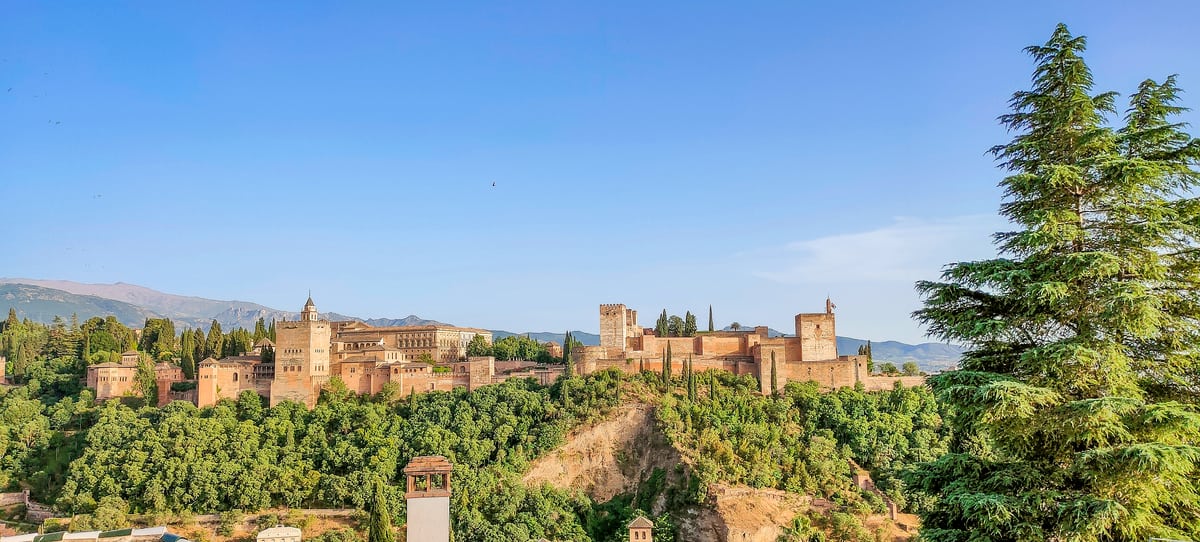
Exploring the Albaicín district, you’ll find yourself wandering through narrow, winding streets filled with traditional white-washed houses. The district is so full of charm, with each turn revealing stunning views of the Alhambra across the valley. One of the city’s hidden gems is the Sacromonte neighbourhood. Known for its cave dwellings, this area offers fascinating insights into a traditional way of life, as well as captivating views over the city.
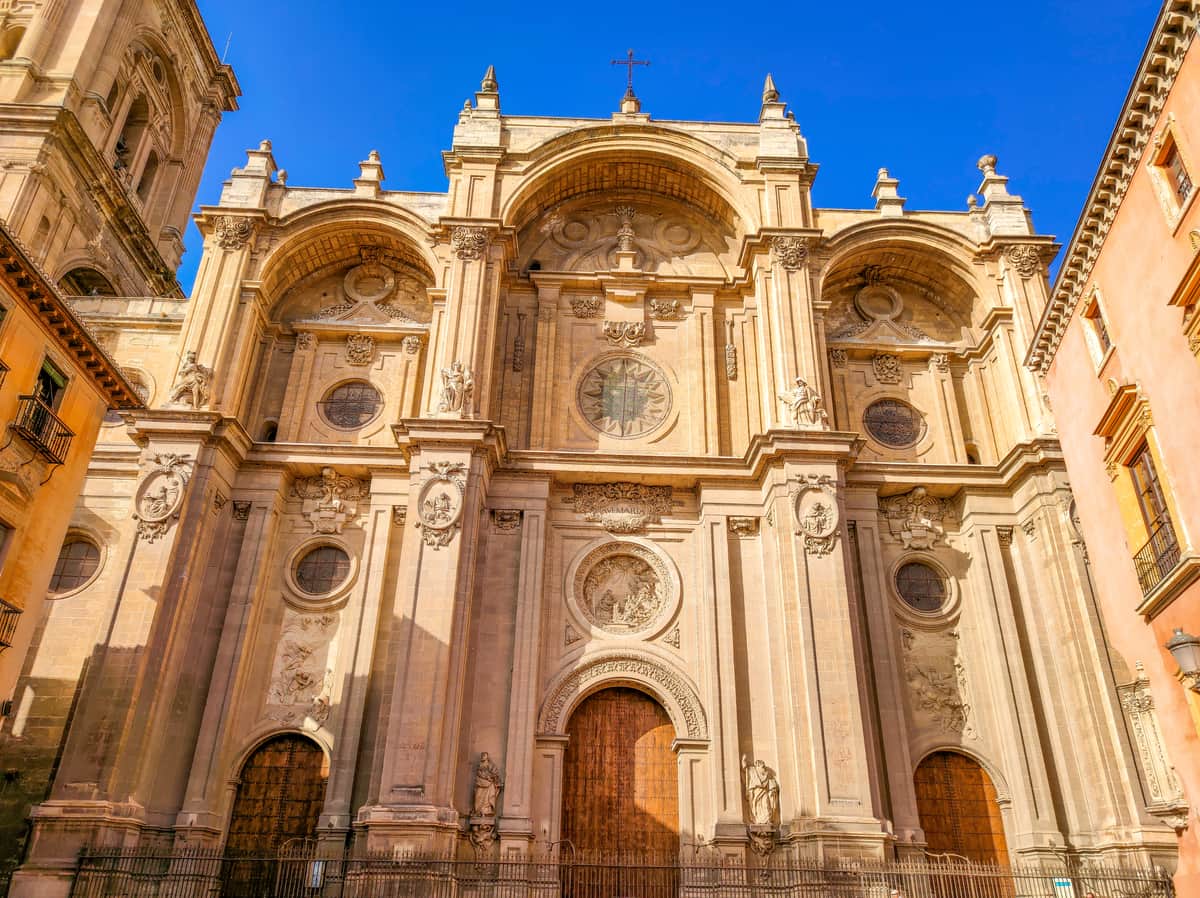
The Cathedral of Granada (affiliate link), a magnificent building that showcases Renaissance architecture and impressive interiors, is another must-see in Granada. The nearby Royal Chapel (affiliate link) houses the tombs of the Catholic Monarchs Ferdinand and Isabella.
3. Córdoba
Córdoba is a city that reflects a myriad of cultural influences. Once the capital of the Islamic Emirate and later the Caliphate of Córdoba, its historic significance is immense. Muslim, Jewish, and Christian influences coexist harmoniously in Córdoba. The city’s extensive history, cultural diversity, and architectural marvels make it a must-visit in Andalusia.
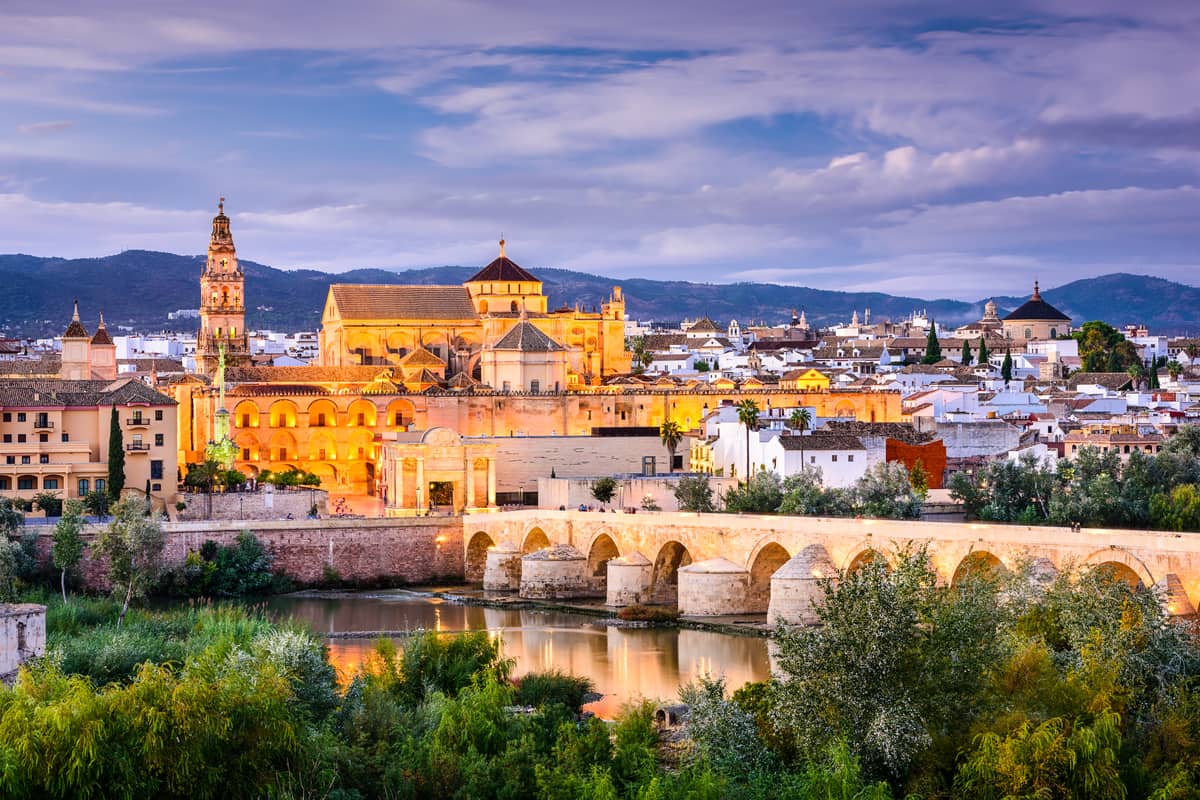
One of the most iconic landmarks is the Mezquita-Catedral de Córdoba, a UNESCO World Heritage Site. This structure showcases a fascinating blend of Islamic and Christian architectural elements. Strolling through the old town’s narrow streets is an experience in itself. The Patios of Córdoba, with their vibrant flowers and intricate designs, are particularly enchanting during the annual Festival of the Patios.
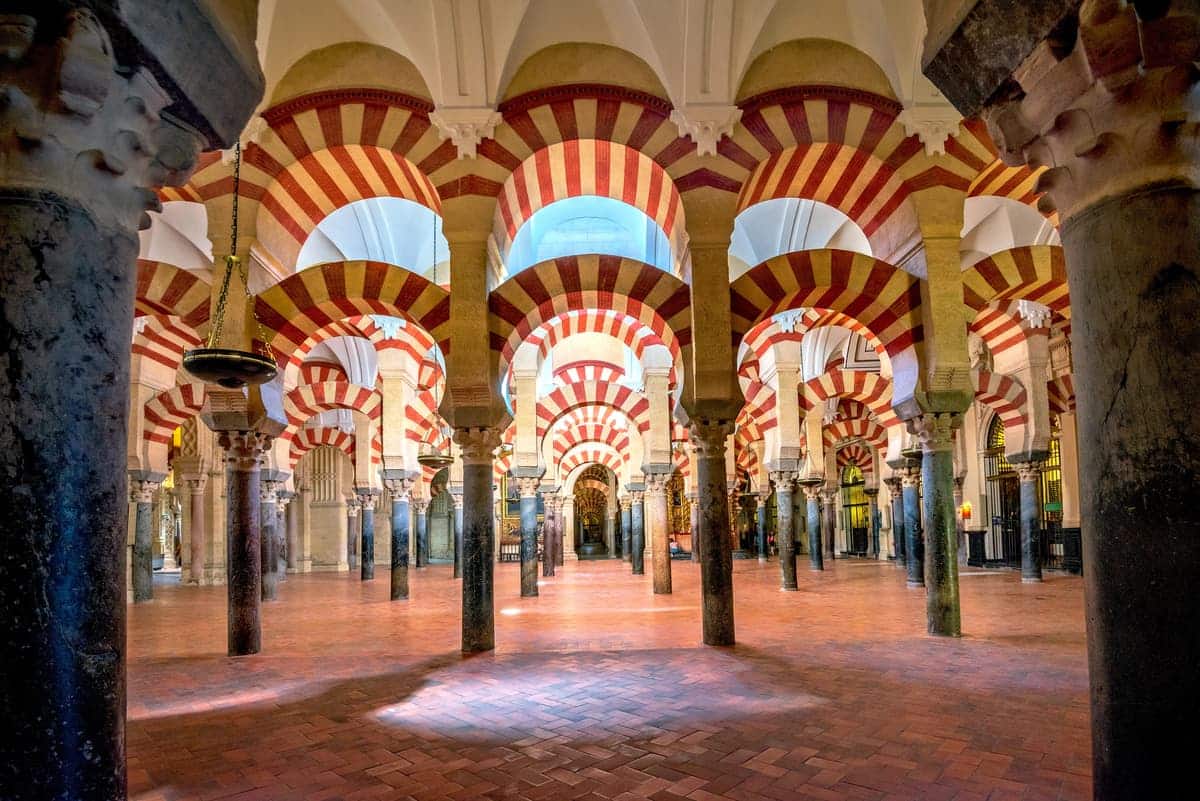
The Roman Bridge, another key landmark, spans the Guadalquivir River and offers stunning views. Nearby, the Alcazar de los Reyes Cristianos provides insight into Córdoba’s period under Christian rule. For those interested in history, the city’s archaeological museum houses a remarkable collection of artefacts from various periods. The Jewish Quarter, with its quaint streets and historic synagogue, is also worth exploring.
4. Málaga
Málaga is a vibrant port city on the Costa del Sol. Known for its beautiful beaches, lively cultural scene, and the birthplace of Pablo Picasso, it offers a diverse range of attractions.

The Alcazaba (affiliate link), a Moorish fortress, provides fantastic views of the city and the sea. Nearby, the Roman Theatre (affiliate link) offers a glimpse into Málaga’s ancient past. For art enthusiasts, the Picasso Museum (affiliate link) houses an impressive collection of the artist’s works. It’s a must-visit for anyone interested in modern art.

The Cathedral of Málaga (affiliate link), often referred to as La Manquita, is an architectural marvel. Its unique design, with one tower unfinished, makes it stand out. The port area, Muelle Uno, is another favourite spot. It’s a modern, stylish space with shops, restaurants, and a pleasant promenade perfect for an evening walk.
5. Cádiz
Cádiz is one of the oldest cities in Western Europe, with a history stretching back over 3,000 years. Walking through its narrow, winding streets, you can sense the layers of history beneath your feet.
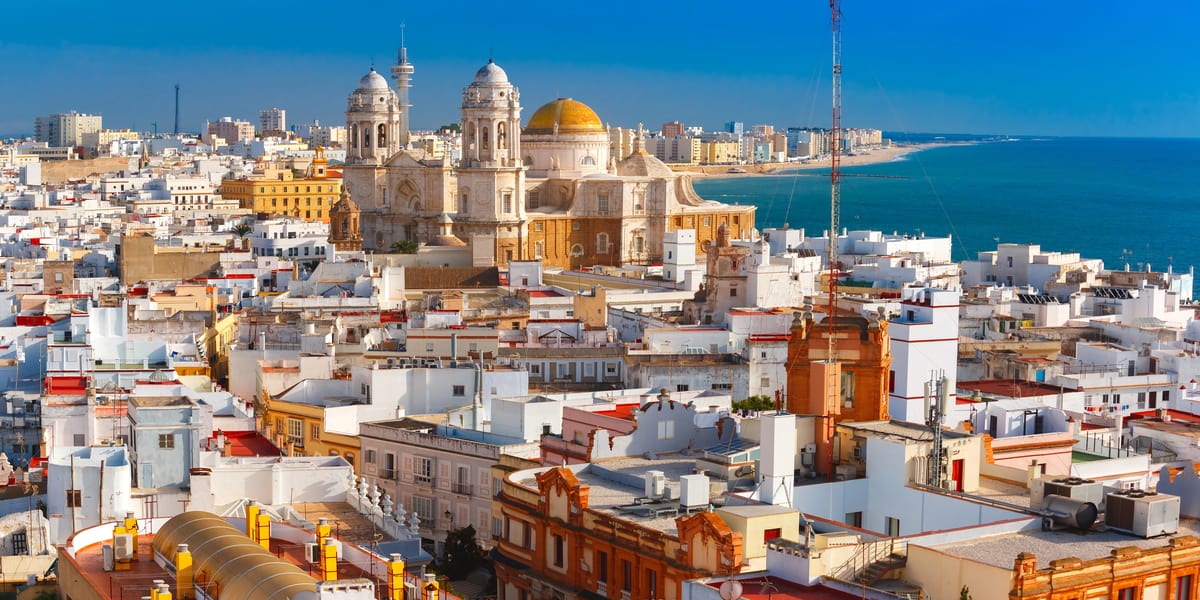
The Plaza de San Juan de Dios is a hub of activity, filled with lively cafes and restaurants. Just a short distance away, the Cathedral of Cádiz stands as an architectural marvel. A visit to Cádiz also offers opportunities to explore its intriguing museums. The Museo de Cádiz, for instance, houses an extensive collection that spans archaeology, fine arts, and ethnography.

Cádiz is also known for its annual carnival, one of the most vibrant and famous in Spain. The city comes alive with music, costumes, and parades, drawing visitors from all over the world.
6. Ronda
Ronda, perched dramatically on a plateau, offers stunning views of the El Tajo gorge. The iconic Puente Nuevo (affiliate link) bridge spans the gorge, providing a breathtaking vantage point. Wander through the old town, marvelling at its cobbled streets and whitewashed buildings. The atmosphere here is timeless, steeped in history and Andalusian charm.
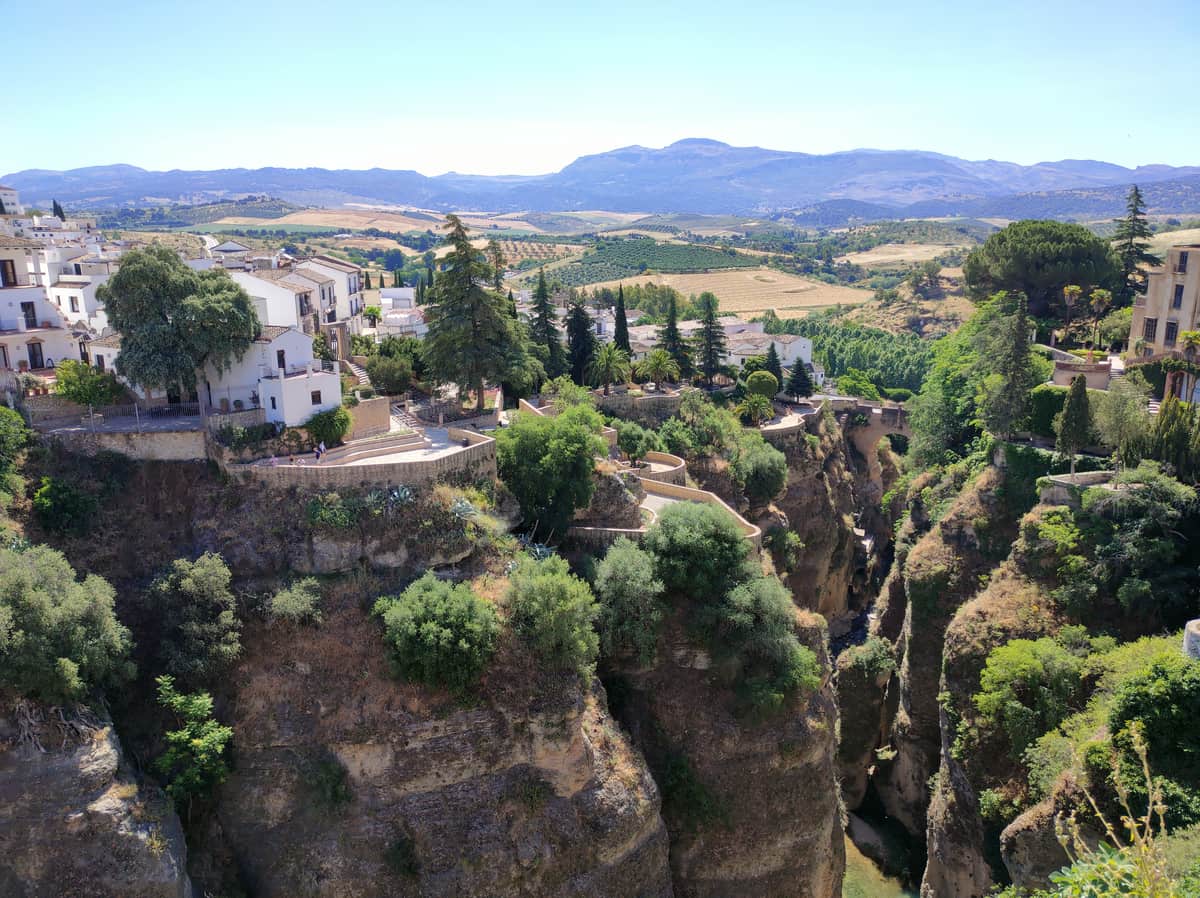
The Plaza de Toros, one of Spain’s oldest bullrings, is another highlight. The Arab Baths, dating back to the 13th century, are remarkably well-preserved.

For wine enthusiasts, Ronda does not disappoint. The region’s wineries produce excellent wines, which you can taste during a visit to a local vineyard.
7. Marbella
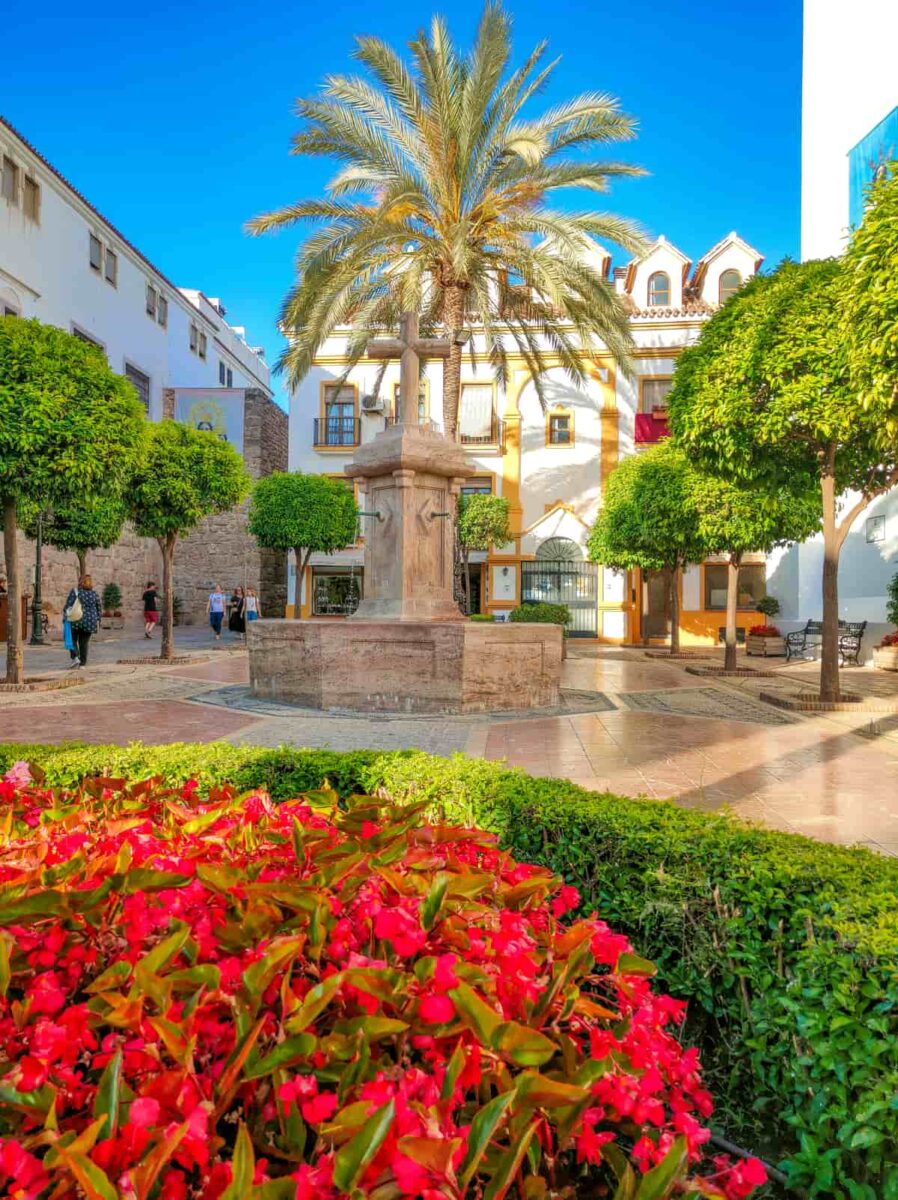
Marbella, located on the Costa del Sol, is renowned for its upscale resorts and beautiful sandy beaches. The city’s old town, Casco Antiguo, offers a charming glimpse into its Moorish past with its narrow streets and whitewashed buildings.
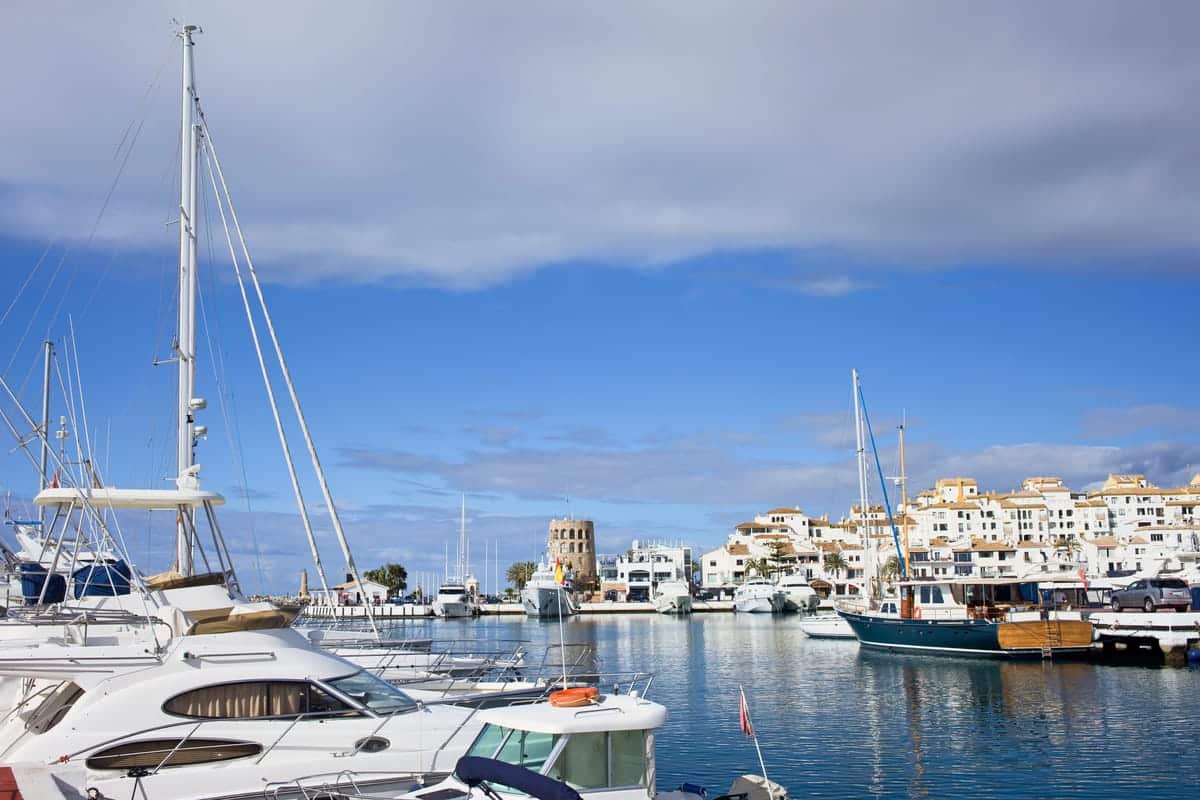
The Golden Mile, a stretch between Marbella and Puerto Banús, is famed for its luxury properties and exclusive beach clubs. The nightlife here is vibrant, with plenty of high-end restaurants and bars. Puerto Banús marina is another highlight, where luxury yachts dock against a backdrop of designer boutiques and swanky cafes. The harbour area is a great spot for people-watching and soaking up the glitzy atmosphere.
For those interested in history, Marbella’s various museums and galleries provide insight into its rich cultural heritage. The Museo del Grabado Español Contemporáneo, for example, showcases contemporary Spanish engravings and is worth a visit.
Eating out in Marbella is a treat, with numerous restaurants offering everything from traditional Andalusian cuisine to international favourites. One of the best places to enjoy tapas is in the old town’s Plaza de los Naranjos.
8. Jerez de la Frontera
Jerez de la Frontera is a city known for its sherry production (affiliate link). The local bodegas offer insights into the traditional methods of sherry making. Tourists can explore various wineries (affiliate link) to sample some of the finest selections.
Equestrian enthusiasts will find the Royal Andalusian School of Equestrian Art (affiliate link) captivating. The stunning displays of dressage (affiliate link) and horsemanship skills are world-renowned. Performances showcase the elegance and precision of Andalusian horses.
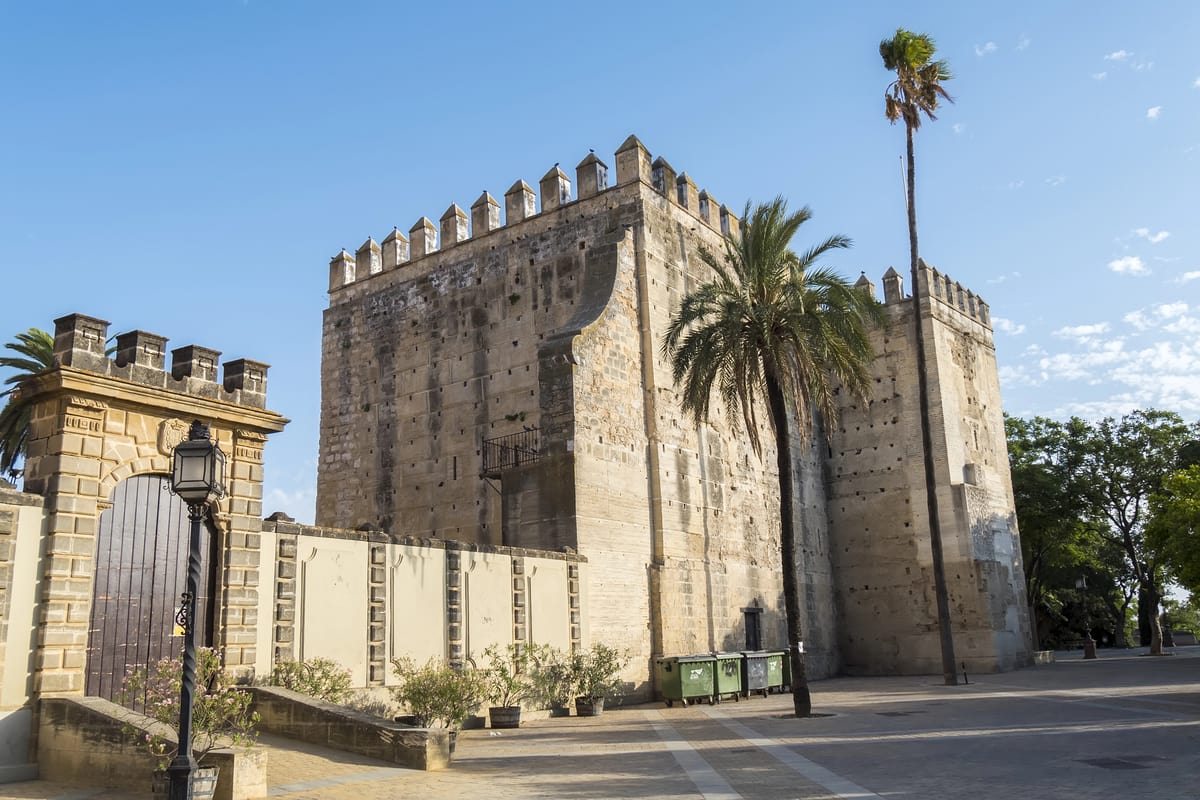
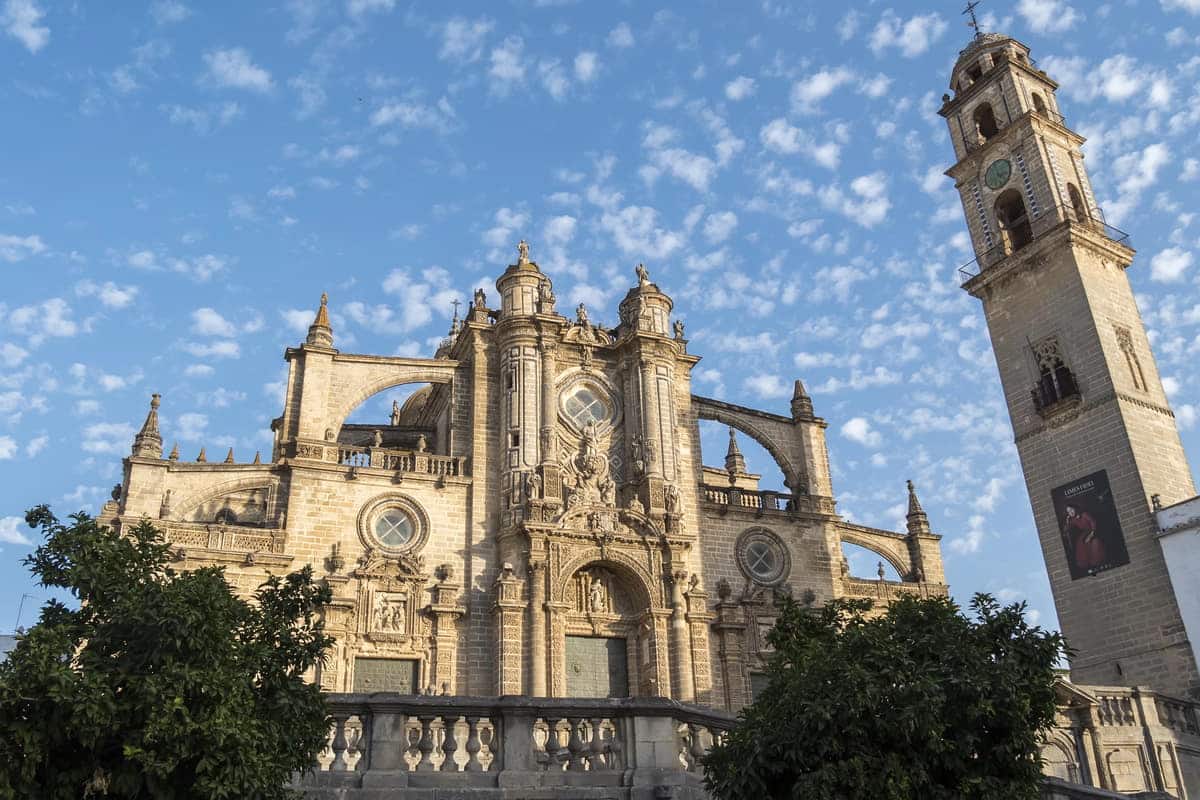
Jerez is also home to the impressive Alcázar of Jerez (affiliate link). This well-preserved Moorish fortress offers panoramic views of the city. The beautiful gardens and ancient architecture are a photographer’s dream. Another highlight is the Jerez Cathedral (affiliate link). This magnificent structure features a blend of Gothic, Baroque, and Neoclassical styles. The interior is rich with history and art.
9. Nerja
Nerja, located on the Costa del Sol, boasts stunning beaches with crystal-clear waters. Balcon de Europa, a viewpoint offering panoramic views of the Mediterranean, is one the most famous landmarks in the town.
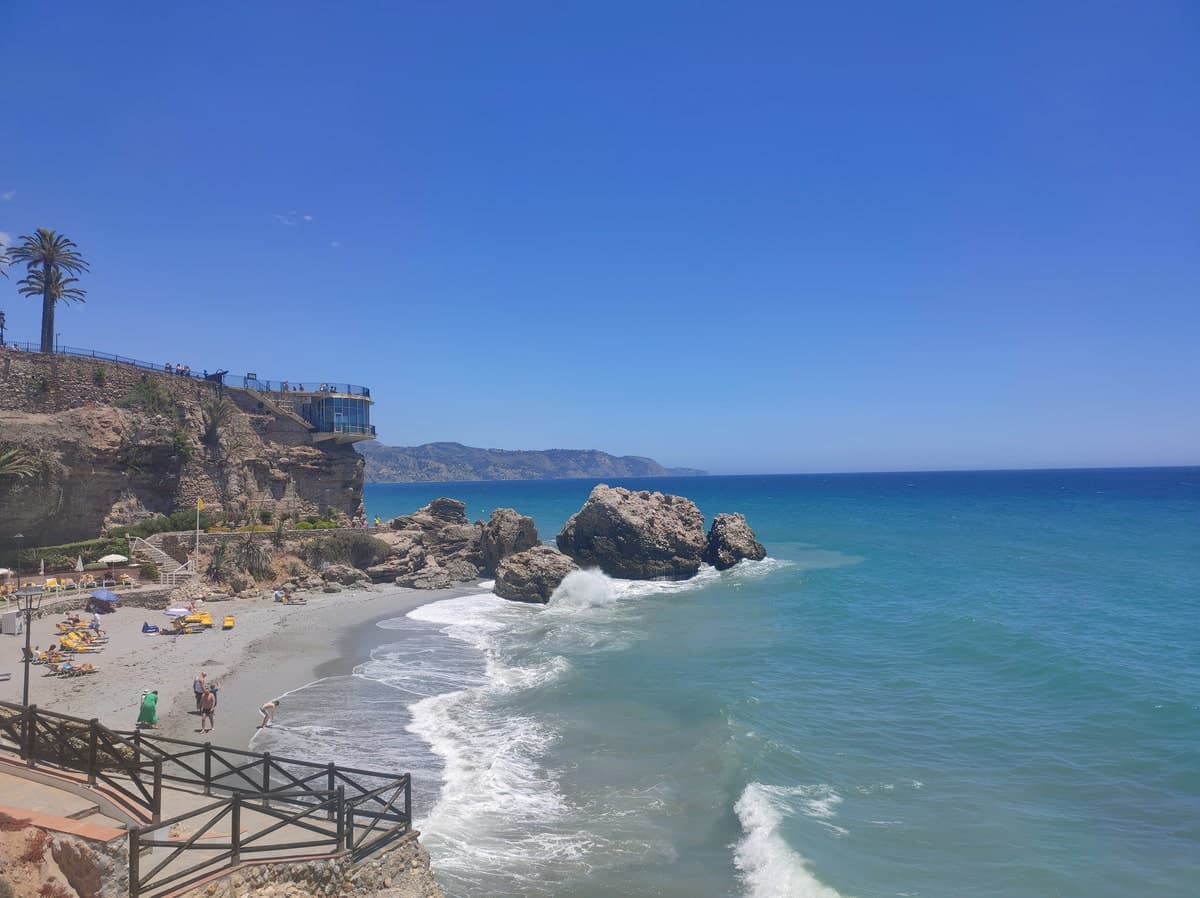
Historic sites such as the Church of El Salvador, with its baroque architecture, add cultural depth to the town. The Caves of Nerja (affiliate link), a series of ancient caves, are another highlight. These caves, located just outside of the town, house prehistoric paintings and one of the world’s largest stalagmites.

For those who enjoy outdoor activities, the nearby Sierra de Tejeda, Almijara and Alhama Natural Park provide excellent hiking opportunities. Nerja’s coastal location ensures it has a variety of water sports, including snorkelling, kayaking, and paddleboarding. The mild climate makes it a pleasant place to visit year-round.
10. Antequera
Antequera, often referred to as the ‘Heart of Andalusia’, is a gem that combines historical depth with natural beauty. Its central location makes it a strategic spot for exploring the region.
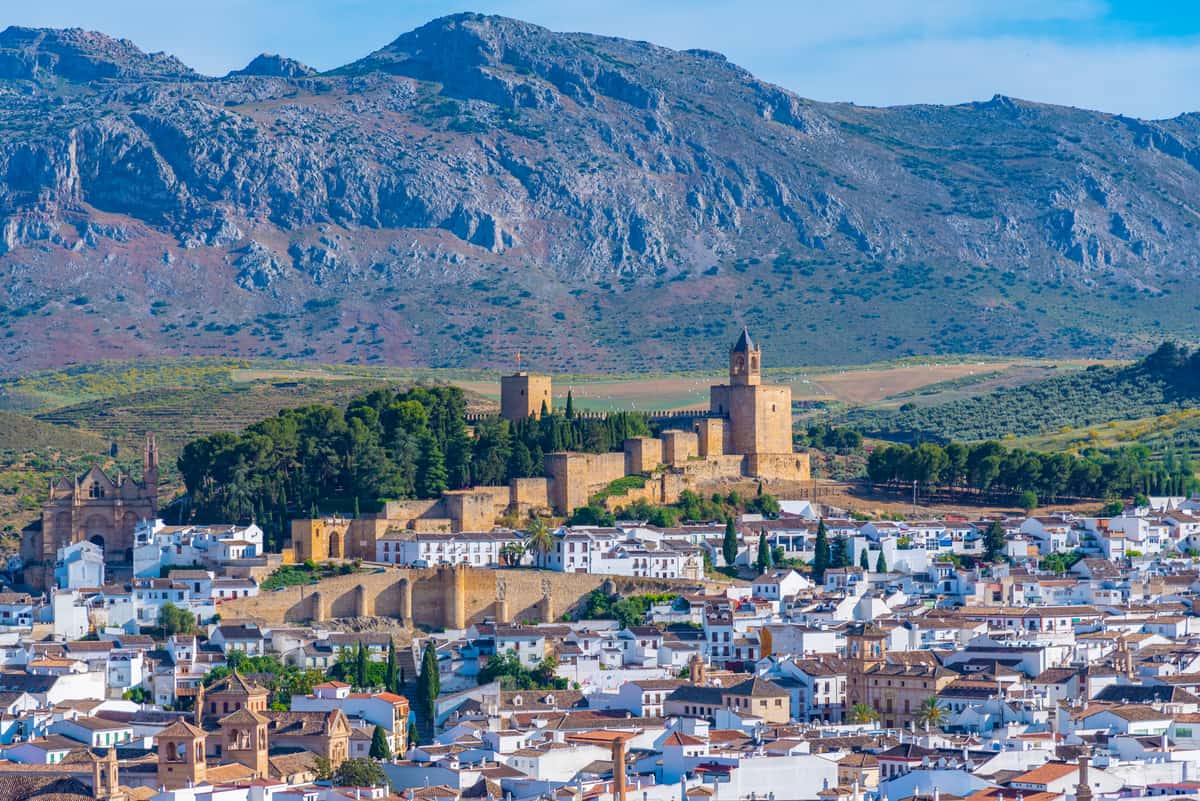
The town boasts impressive landmarks (affiliate link) such as the Alcazaba of Antequera, a Moorish fortress dating back to the 14th century. It offers stunning views of the surrounding landscapes. Antequera is also home to the Dolmens (affiliate link), prehistoric burial mounds that are UNESCO World Heritage Sites. The Dolmen de Menga and Dolmen de Viera are particularly notable for their size and historical importance.
The town’s appeal extends to its religious architecture as well. The Church of San Sebastián, with its elegant bell tower, is a prime example of Renaissance and Baroque styles.
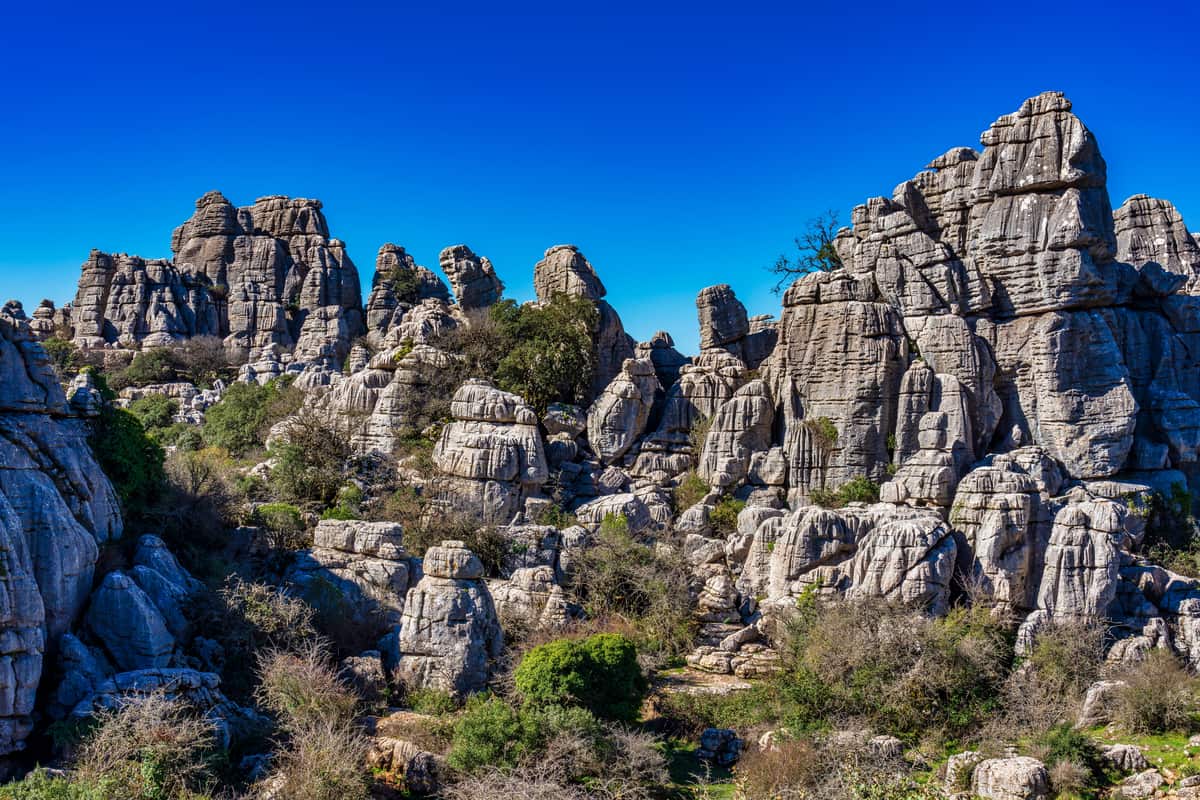
For lovers of nature, El Torcal de Antequera (affiliate link) is a must-visit. This natural park features surreal karst landscapes that invite exploration and photography.
11. Úbeda
Úbeda is a gem in the province of Jaén, recognised for its Renaissance architecture. Together with Baeza, Úbeda is a UNESCO World Heritage Site.

The Vázquez de Molina Square is particularly noteworthy. Here, the Holy Chapel of the Saviour (affiliate link) (Sacra Capilla del Salvador) and the Palace of the Marques de Mancera stand proudly, showcasing intricate designs and historical significance. These landmarks are must-visits for anyone appreciating monumental architecture.
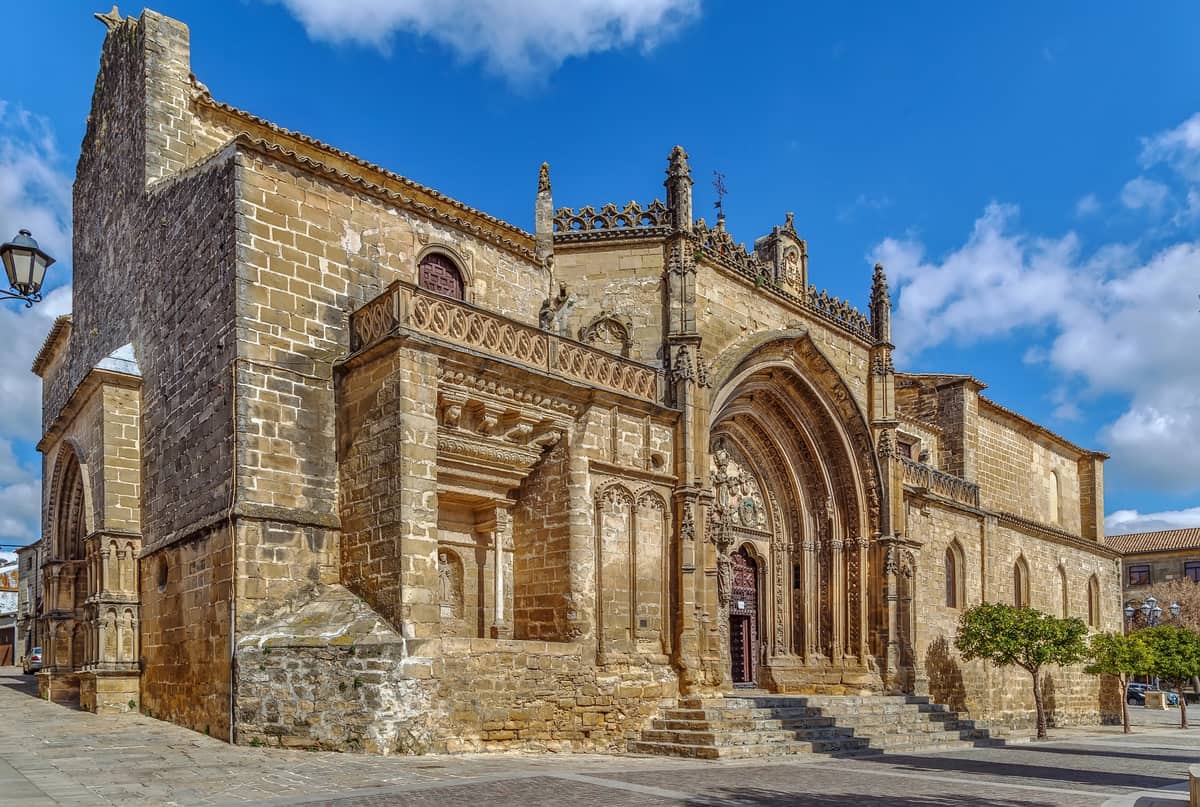
Úbeda also offers beautiful vistas, particularly from the Mirador del Valle. From this viewpoint, the rolling landscapes of olive groves stretch as far as the eye can see, creating a serene atmosphere that contrasts with the bustling city life.
12. Baeza
Baeza, located in the province of Jaén, is a city brimming with Renaissance architecture. Its historical importance is reflected in its well-preserved buildings and plazas.

The Baeza Cathedral, a masterpiece of Gothic design, is a must-see for any visitor. The Plaza del Pópulo offers a glimpse into the city’s past, with its ornate Fountain of the Lions and striking arches. It’s a peaceful place to sit and absorb the surroundings.

A visit to Baeza (affiliate link) wouldn’t be complete without exploring the University of Baeza, founded in the 16th century. Its cloisters and lecture halls evoke a sense of academic history.
13. Almería
Nestled along the southeastern coast of Spain, Almería boasts a distinct blend of natural beauty and historical significance. The city is home to the Alcazaba (affiliate link), one of the largest Moorish fortresses in Spain. Walking through its gardens and looking over the walls offers panoramic views of the city and the Mediterranean Sea.

Almería’s coastline offers some of the best beaches in Andalusia. The Playa de los Genoveses, located in the Cabo de Gata-Níjar Natural Park (affiliate link), is particularly stunning. Its golden sands and clear waters make it an ideal spot for relaxation and swimming.
The city centre features charming plazas, narrow streets, and a vibrant atmosphere. The Cathedral of Almería (affiliate link) is particularly striking, combining Gothic and Renaissance architectural styles. This unique cathedral once served as a fortress to protect against pirate attacks.

Strolling through Almería’s Old Town reveals a mix of traditional Spanish and Moorish influences. Every visit feels like a journey back in time, especially when exploring areas like the old Arabic Aljibes, ancient water cisterns that once supplied the city.
14. Huelva
Huelva sits on the western part of Andalusia, close to the Portuguese border. Known for its rich maritime history, it’s where Christopher Columbus set sail for the New World. The city boasts a variety of historical sites. La Rábida Monastery is a must-visit for history enthusiasts. It’s where Columbus stayed while planning his voyage.

Huelva is also famous for its food. The local cuisine features fresh seafood, particularly prawns from the nearby coastal waters. The city’s market, Mercado del Carmen, offers a fantastic selection of local produce.
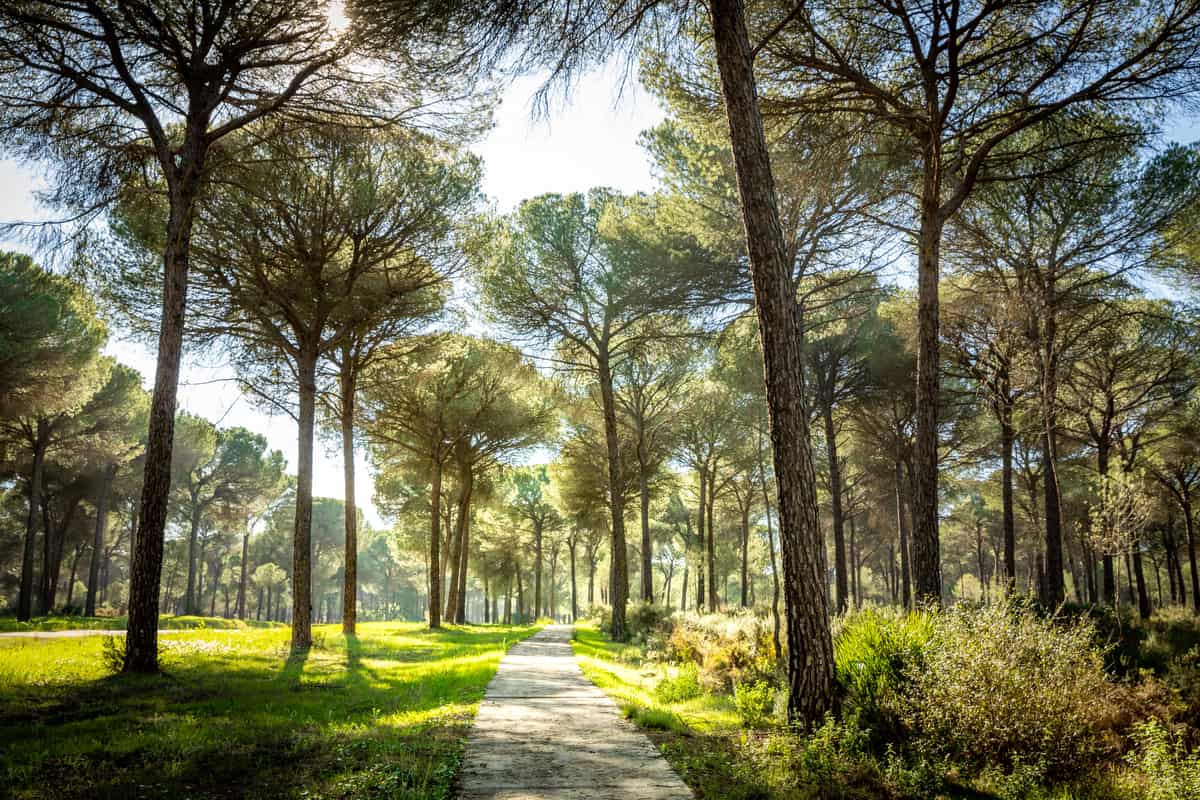
Nature lovers will appreciate the Doñana National Park. It’s a UNESCO World Heritage Site renowned for its diverse ecosystems and wildlife. Bird watching is particularly popular here.
For those interested in archaeology, the site of La Orden-Seminario offers a glimpse into ancient civilisations. It’s home to remains from the Roman and Tartessian periods.
15. Mijas
Mijas is a charming town located in the province of Málaga. Perched on the hillside, it offers stunning views of the coastline. The town retains its traditional Andalusian architecture, with whitewashed houses and narrow, winding streets.

The main square, Plaza Virgen de la Peña, is perfect for relaxing and people-watching. There are several museums worth visiting, such as the Ethnographic Museum. It provides insight into the traditional ways of life in Andalusia. For those interested in history, the chapel of the Virgen de la Peña is a must-see. It’s carved into the rock and offers a serene atmosphere.

Although not a large place, there are lots of things to do in Mijas and it’s absolutely worth a day trip if you are staying in Andalusia.
16. Fuengirola
Fuengirola, on the Costa del Sol, with its long sandy beaches and clear blue waters, is an ideal spot for relaxation and water activities. Its climate is warm and inviting, making it a year-round destination.
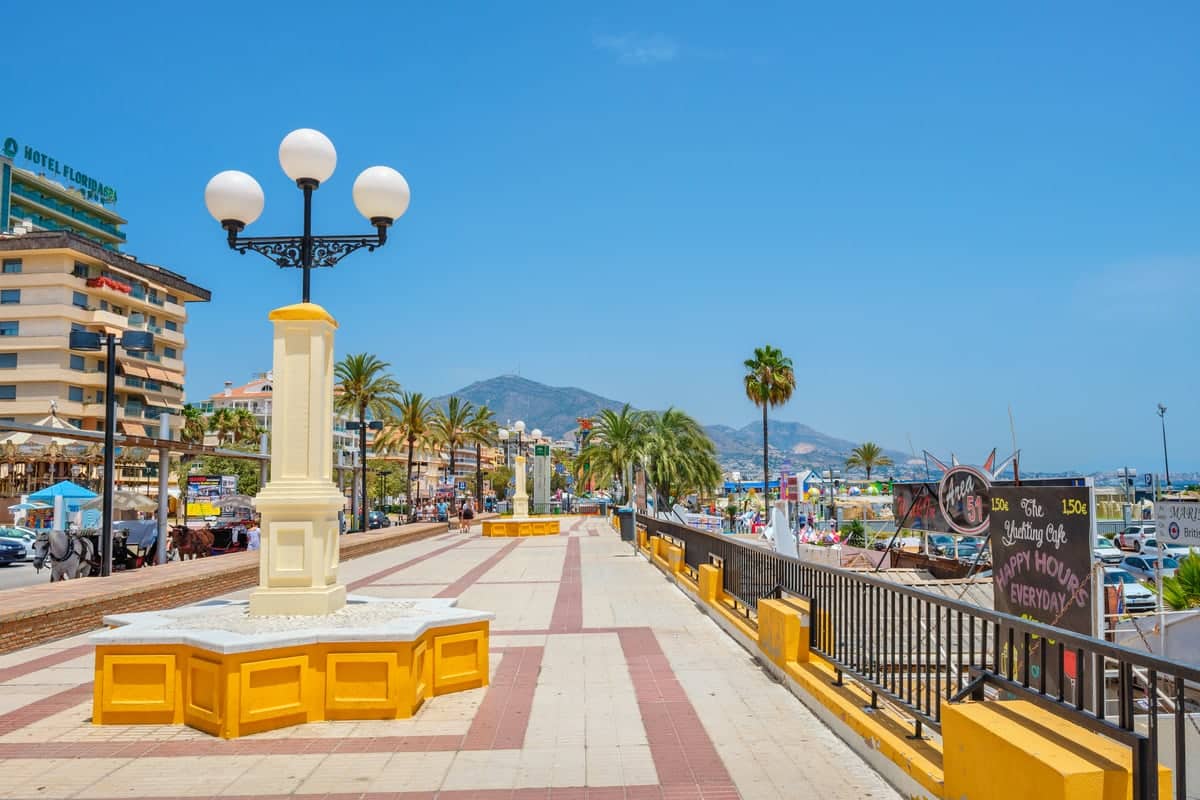
The city boasts a vibrant food scene. You can enjoy fresh seafood at the many beachfront chiringuitos or explore a range of international cuisines. The local market also offers a taste of traditional Andalusian products.
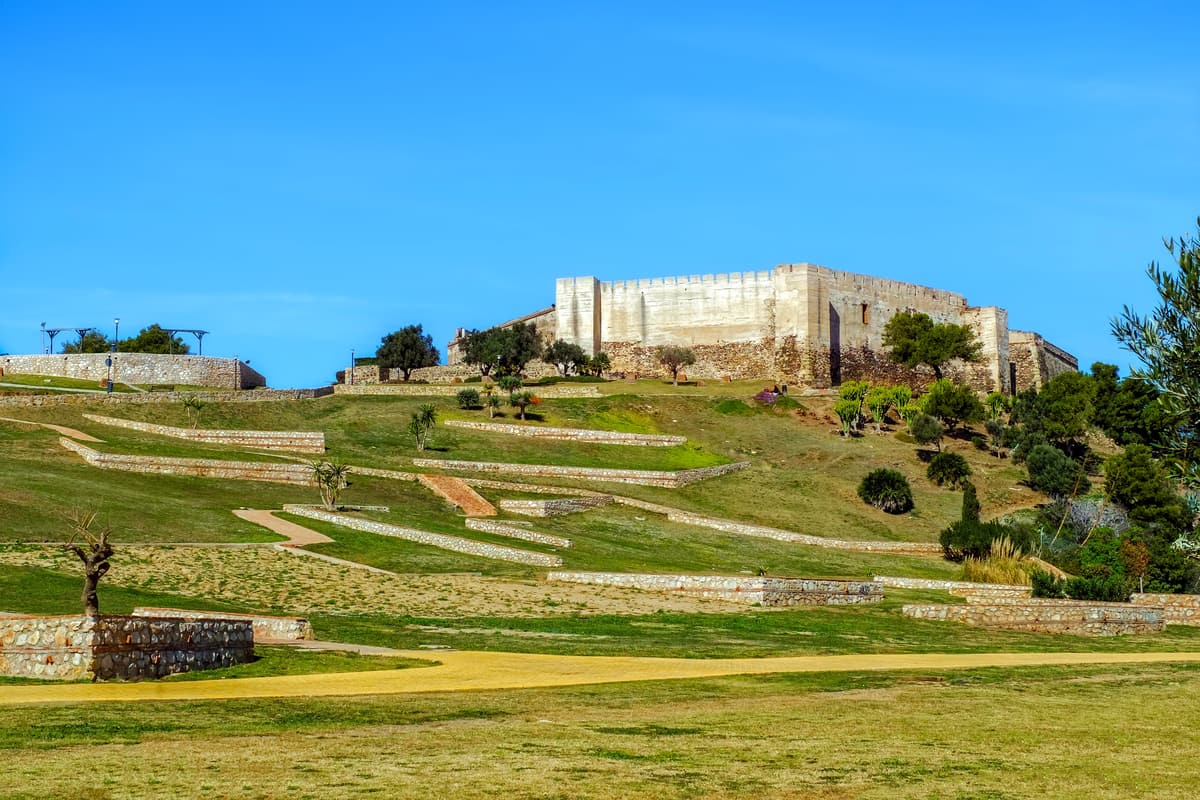
Historical architecture is another highlight. Sohail Castle, originally built by the Moors, provides a glimpse into the past. It also offers stunning views of the coastline, making it a perfect spot for photography enthusiasts. For families, the Bioparc Fuengirola (affiliate link) is a must-visit. This modern zoo focuses on conservation and provides a natural habitat for a variety of animals. It’s a great educational experience for children.
17. Estepona
Estepona is a charming coastal town located on the Costa del Sol. Known for its beautiful beaches, it offers a more relaxed and authentic experience compared to some of its more tourist-heavy neighbours.

Wander through its historic old town, filled with whitewashed buildings adorned with colourful flower pots. The central square, Plaza de las Flores, is particularly picturesque, perfect for a leisurely afternoon.

The town is also home to a bustling marina with a variety of restaurants and bars. Estepona boasts several cultural attractions, including the Orchid House, a stunning botanical garden. The local museums further enrich the cultural landscape, offering insights into the area’s history.
The promenade in Estepona runs along the coast and is ideal for relaxed strolls or cycling. Lined with palm trees, it provides stunning sea views and easy access to beaches.
18. Benalmádena
Benalmádena, located on the Costa del Sol, offers a combination of beautiful beaches and cultural sites. The town is home to the stunning Benalmádena Stupa, a large Buddhist temple that provides a sense of peace and breathtaking views of the coastline. The nearby Butterfly Park (affiliate link) is another tranquil spot, housing thousands of butterflies in a picturesque setting. The marina also features a Sea Life aquarium (affiliate link), perfect for exploring marine life. The beaches in Benalmádena are pristine, with a mix of lively and quieter spots.

For a bit of history, visit the Colomares Castle (affiliate link), a unique monument dedicated to Christopher Columbus. Its intricate architecture and serene gardens make it a nice stop. Arroyo de la Miel, the town’s central neighbourhood, is lively with its markets and cafes.
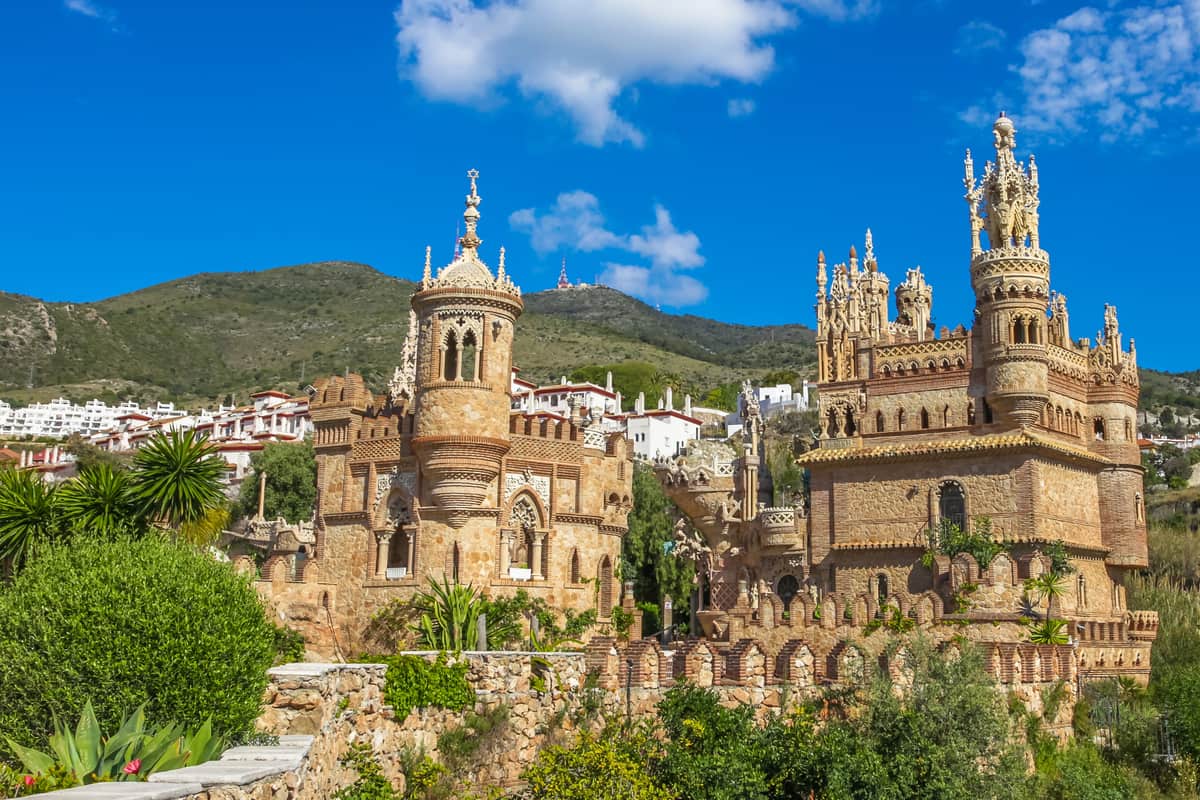
Families will find plenty to do at Tivoli World, an amusement park with a variety of rides and attractions. Paloma Park is another family-friendly spot, where you can picnic, feed the animals, or simply relax by the lake.
Benalmádena Pueblo, the old part of the town, charms with its whitewashed houses and narrow streets. It offers a different pace compared to the bustling coastal area, with its quaint squares and traditional eateries.
19. Torremolinos
Torremolinos, located on the Costa del Sol, is a charming coastal town that offers clean and well-maintained beaches, perfect for a relaxing day under the sun. The promenade offers a pleasant walk with numerous bars, restaurants, and shops.
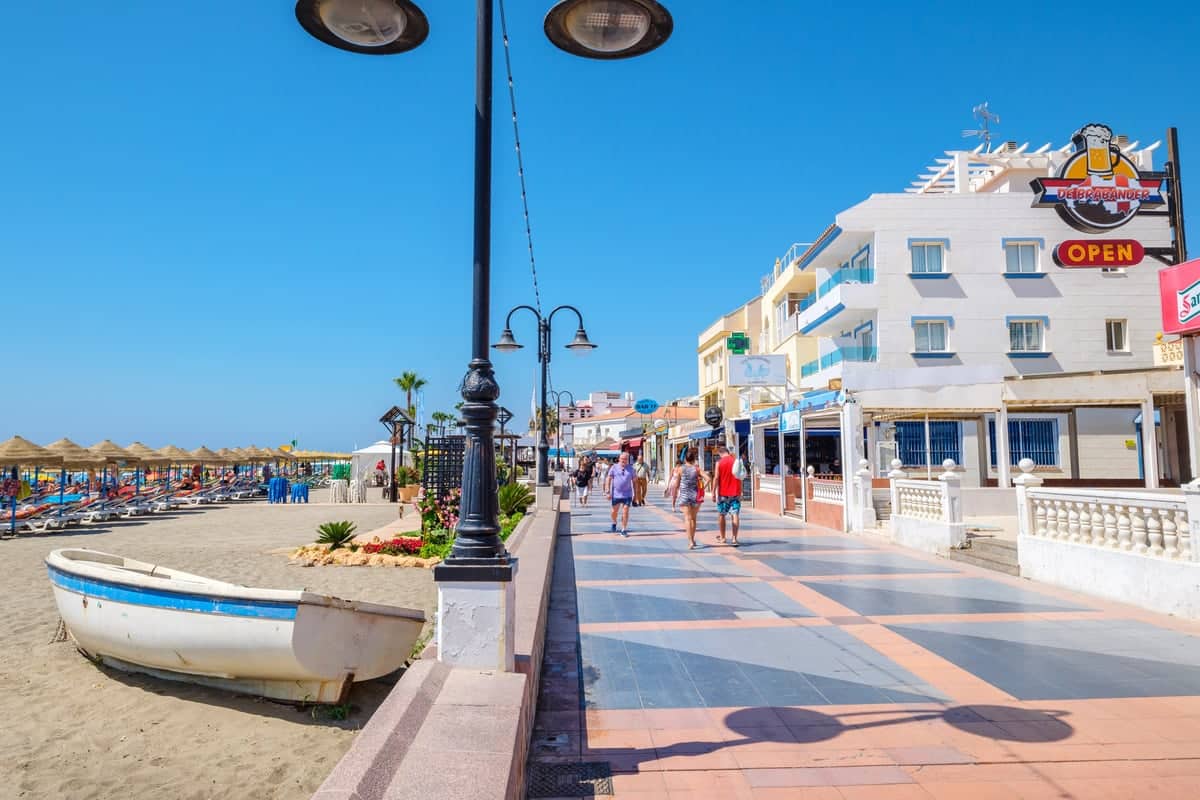
The town is well-known for its nightlife with numerous clubs and bars that cater to all tastes, ensuring an enjoyable evening. Additionally, the seafood here is exceptional, with many local eateries serving fresh, delicious dishes.

For those interested in culture, the town has several points of interest. One notable site is the Torre de Pimentel, a historical tower that adds a touch of history to the visit. Jardín Botánico Molino de Inca is also worth exploring, providing a serene escape with its lush greenery.
Families will find plenty to do here too. The Aqualand water park (affiliate link) is a popular destination with numerous rides and pools, which are great for a fun day out. Crocodile Park (affiliate link), another family-friendly spot, offers a interesting look at these reptiles.
20. Vélez-Málaga
Vélez-Málaga is a charming town located in the heart of the Axarquía region. Known for its historical significance, it offers a unique blend of culture and architecture. The Fortaleza de Vélez-Málaga, a Moorish fortress, stands out with its impressive structure. Another highlight is the Church of San Juan Bautista, showcasing Gothic-Mudejar architecture.

For those interested in art, the Casa Cervantes is a must-visit. This historic house is linked to Miguel de Cervantes, the author of Don Quixote.
In addition to its cultural offerings, Vélez-Málaga provides opportunities for outdoor activities. Hiking in the nearby Sierras is a favourite pastime. The scenic paths offer breathtaking views of the surrounding landscape.
21. Jaén
Nestled in the heart of Andalusia, Jaén is often overlooked in favour of its more famous neighbours. Known for its extensive olive groves, Jaén produces some of the world’s finest olive oil. The Olive Oil Museum, situated in a 17th-century mill, is particularly interesting.

The city’s historic sites are equally impressive. The Jaén Cathedral (affiliate link), a splendid example of Renaissance architecture, stands out with its detailed façade and expansive interior. Another highlight is the Santa Catalina Castle (affiliate link). Perched atop a hill, this fortress offers breathtaking views of the city and surrounding countryside.
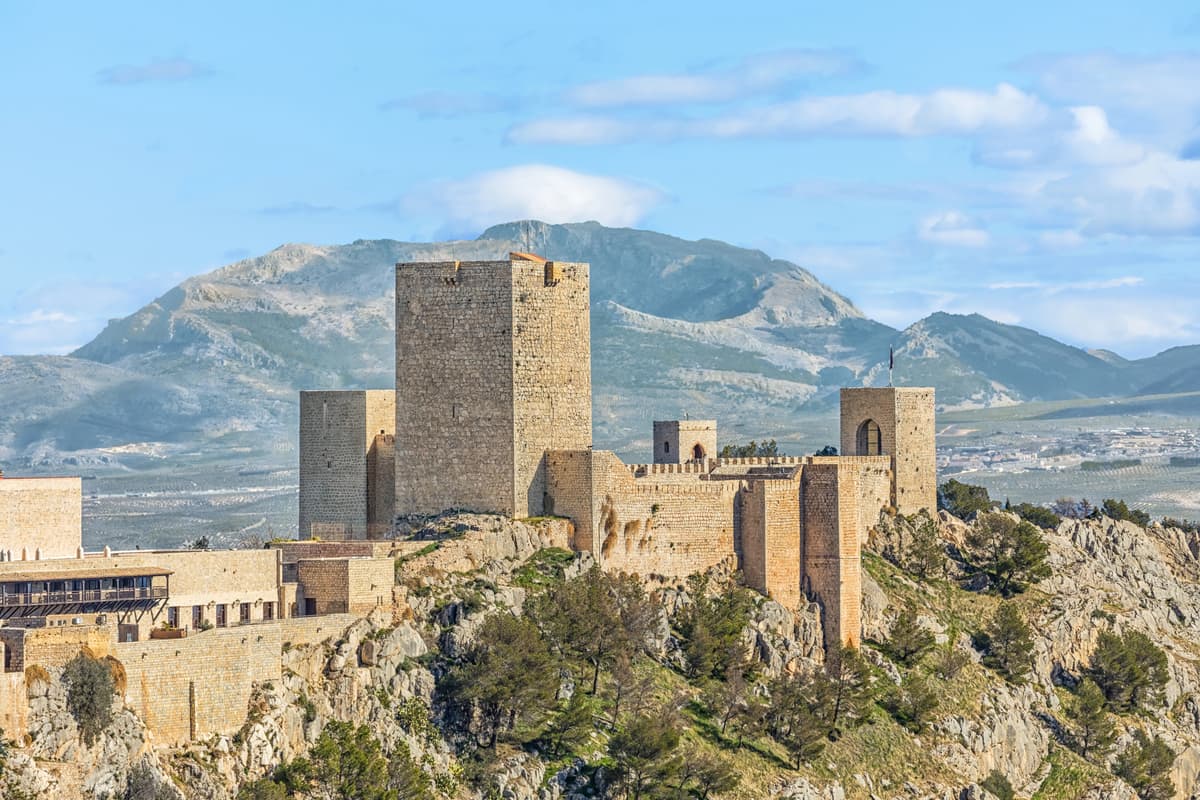
One of Jaén’s unique attractions is the Arab Baths, one of the best-preserved in Spain. The intricate architecture and serene atmosphere will transport you back in time.
For nature enthusiasts, the Sierra de Andújar Natural Park is a must-visit. Located just outside the city, it offers hiking trails and the chance to spot Iberian lynxes in their natural habitat.
22. Tarifa
Tarifa, located at the southernmost point of mainland Europe, is famous for its scenic beaches and strong winds. These conditions make it a hotspot for windsurfing and kitesurfing (affiliate link) enthusiasts.
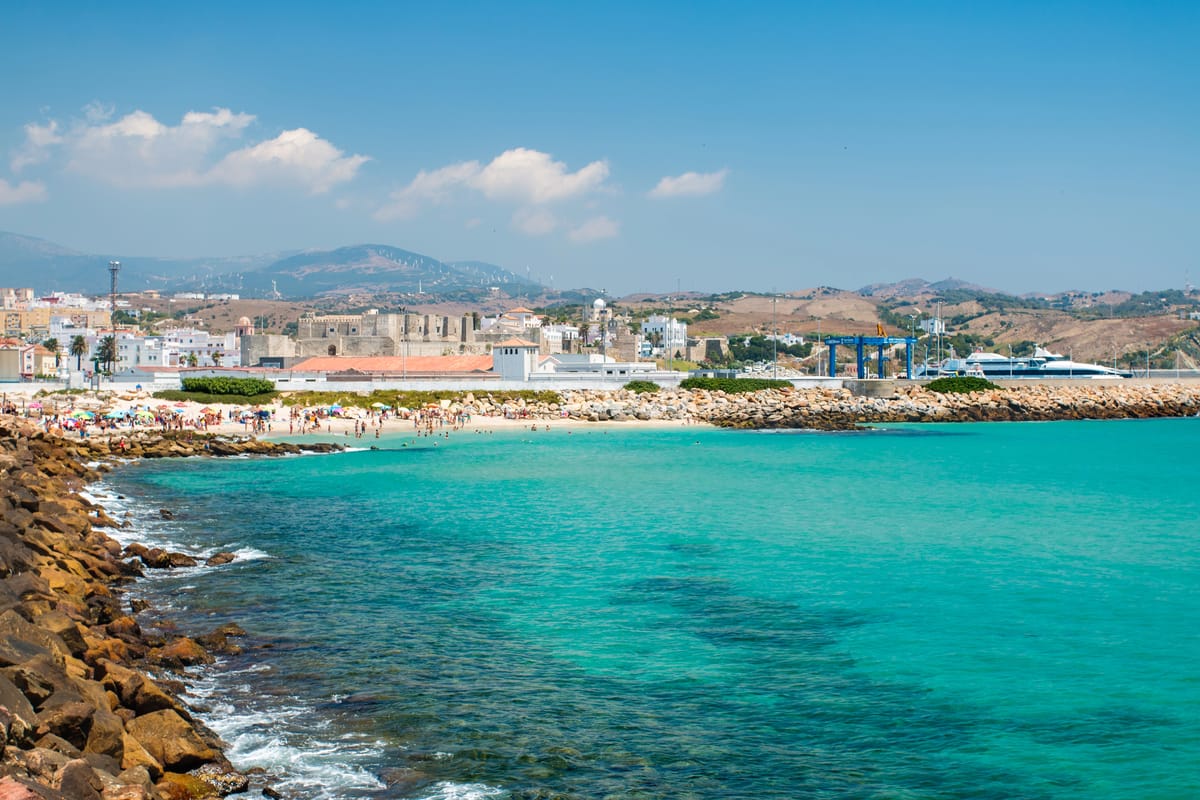
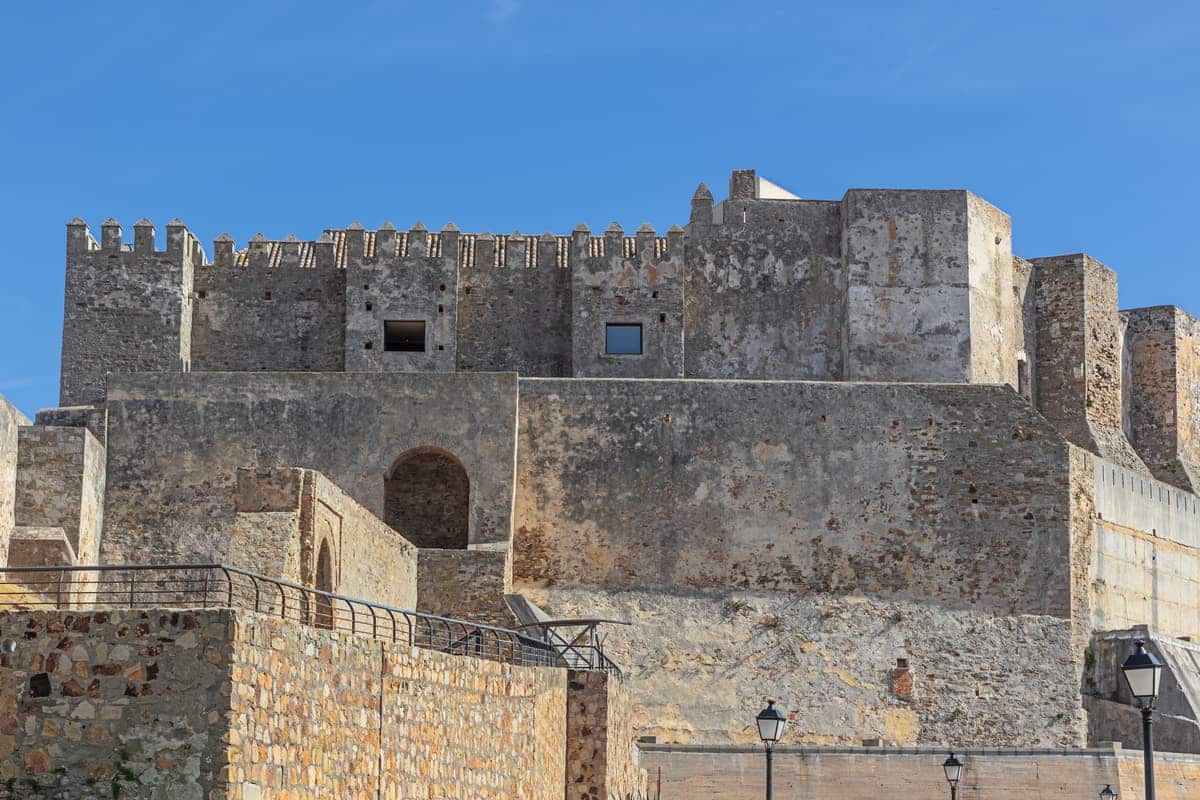
The town’s historic centre is charming, with narrow cobbled streets and whitewashed houses. The medieval Guzmán el Bueno Castle stands as a key attraction, offering stunning views across the Strait of Gibraltar.
Another compelling feature is the opportunity to take a short ferry trip to Tangier, Morocco (affiliate link), adding a unique international flavour to any visit.
Bird watchers will appreciate that Tarifa lies on a major migration route, where thousands of birds cross between Africa and Europe. Walking along the beaches or embarking on a whale-watching tour (affiliate link) are lovely ways to enjoy the natural beauty.
23. La Línea de la Concepción
I find La Línea de la Concepción, or simply La Línea, is an intriguing town located in the province of Cadiz. It shares its border with Gibraltar, making it a unique spot for travellers.
The town’s proximity to Gibraltar offers a range of activities. Visitors can easily cross into Gibraltar to explore the Rock, enjoy duty-free shopping, or witness the famous Barbary macaques.
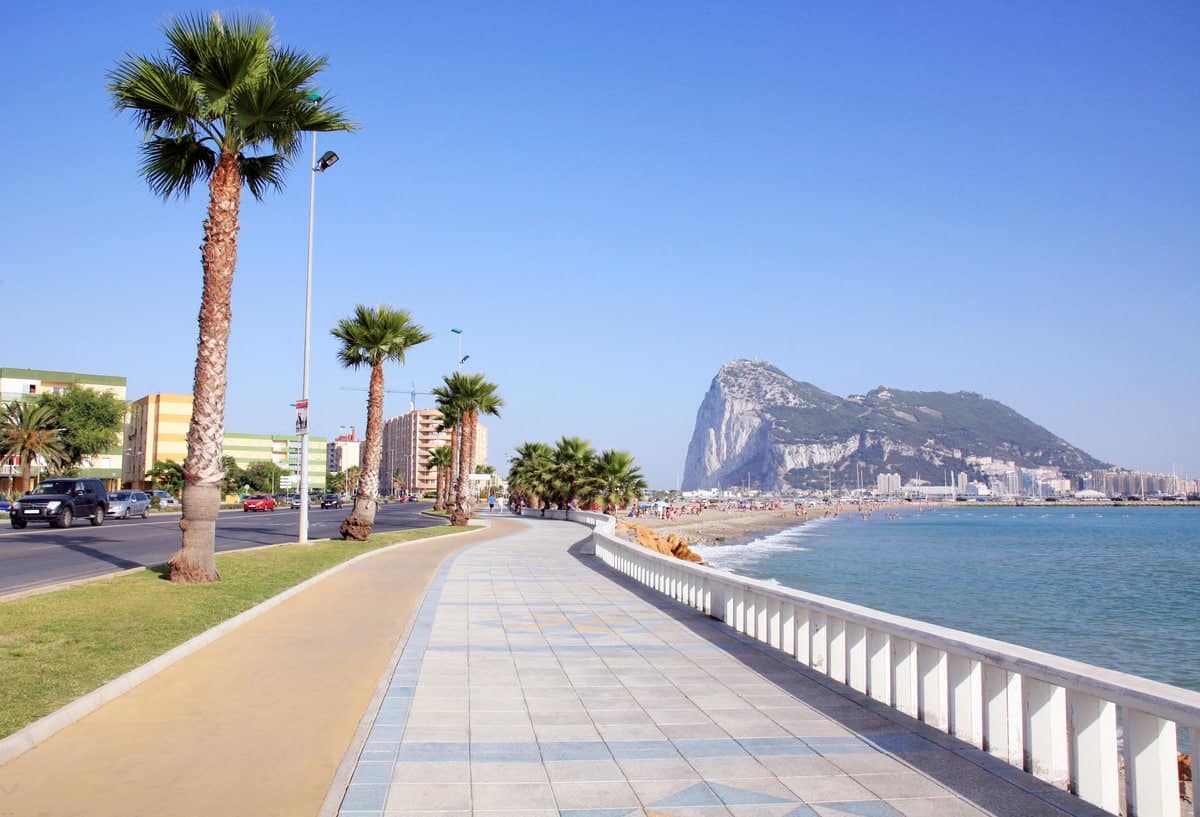
Beaches in La Línea are quite appealing. Playa de Levante and Playa de Poniente provide excellent spots for sunbathing, swimming, and water sports.
For history enthusiasts, the Museo del Istmo offers insightful exhibits. For art lover, José Cruz Herrera Museum showcases the art of the famous local artist. The town also features picturesque parks like Reina Sofia Park where you can enjoy a leisurely stroll.
24. Sanlúcar de Barrameda
Sanlúcar de Barrameda is a charming coastal town located at the mouth of the Guadalquivir River. Known for its rich history, the city has been a key maritime and strategic point for centuries. The town is famous for its delicious manzanilla sherry, which you can sample at various bodegas. The annual horse races on the beach are a unique spectacle worth experiencing if you visit in August.
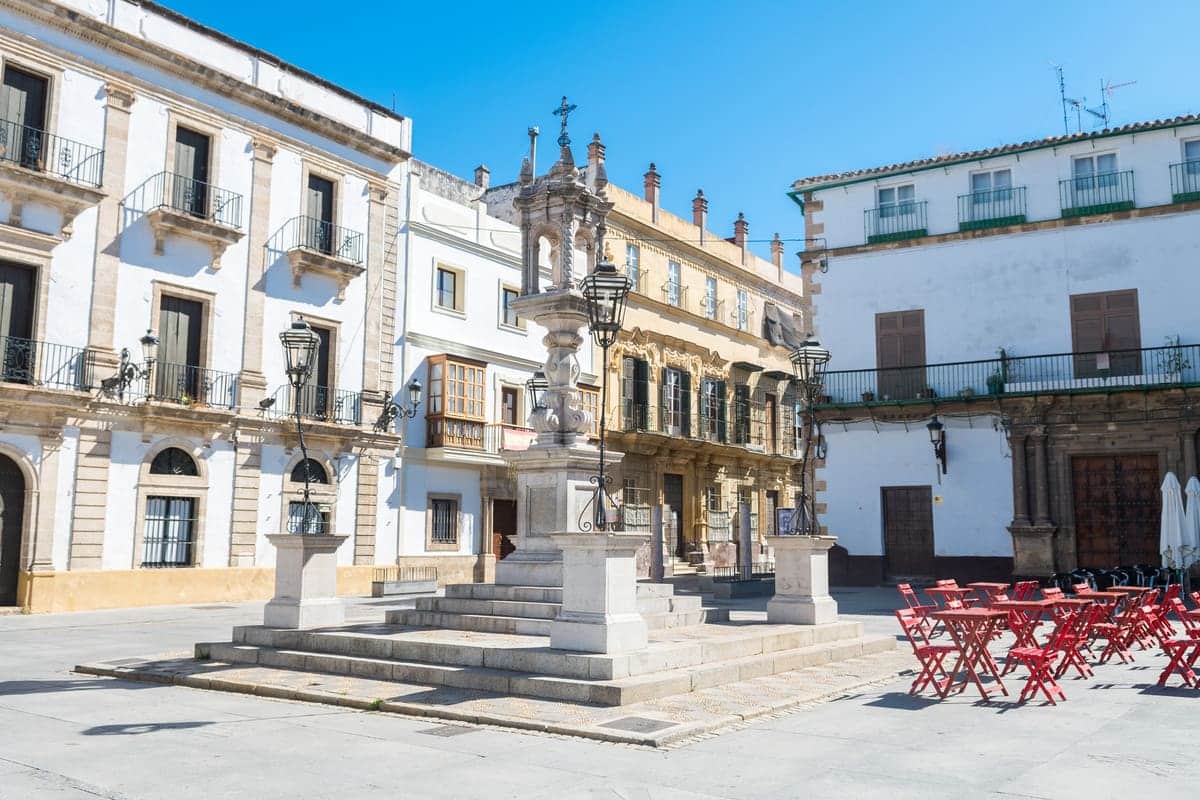
History buffs will appreciate a visit to the stunning Castle of Santiago and the historic district of Barrio Bajo. Sanlúcar also offers beautiful beaches like Playa de la Calzada, perfect for relaxation.
25. Rota
Rota is a charming coastal town in the province of Cádiz. It’s often overlooked, but it offers a blend of rich history and beautiful beaches.

With its narrow streets, lined with whitewashed houses, the town has a distinct Andalusian feel. The historic centre is home to the Castillo de Luna, a well-preserved medieval fortress.

The beaches in Rota are stunning. Playa de la Costilla, with its golden sands and clear waters, is perfect for a relaxing day by the sea.
Also the tapas scene in Rota is not to be underestimated. For the best experience, book a local tapas tour in Rota (affiliate link) and enjoy the Andalusian cuisine.